

The latest reading remains below the neutral 50-point mark, indicating that more respondents are pessimistic than optimistic about business conditions in the agriculture sector.
According to Agbiz, respondents identified the escalating conflict in the Middle East, higher fuel and fertiliser costs, the ongoing foot-and-mouth disease (FMD) outbreak, lower global wheat and sugar prices, and uncertainty surrounding a possible El Niño weather pattern as the main factors weighing on sentiment.
The survey was conducted during the second week of June.
Profitability concerns overshadow good harvests
The decline in confidence comes despite generally favourable production conditions and strong harvest prospects in parts of the country.
However, Corne Louw, senior economist at Grain SA, said producers were increasingly concerned about profitability rather than production volumes.
“International grain prices are very low due to high global stock levels. At the same time, energy prices have increased significantly, particularly affecting fuel and fertiliser costs. This has resulted in a very negative profitability outlook for the grain and oilseed sector,” he told Farmer’s Weekly.
Louw said the current season had delivered good yields in many production regions, but this had not translated into improved profitability.
“The current season is a good one in terms of production volumes. The concern is current and expected profitability. Increased yields do not necessarily offset higher input costs and lower grain prices.”
Wheat producers particularly exposed
Louw said lower global wheat prices were having a particularly severe impact on producers in the Western Cape.
“Lower global wheat prices are very significant, especially for wheat producers in the Western Cape, who have already experienced a few difficult seasons. What makes it worse is that they do not have many alternatives to wheat production.”
His comments echo broader concerns reflected in the confidence survey, where weaker commodity prices were identified as a major contributor to declining sentiment.
Input costs continue to climb
The survey highlighted growing concern about the impact of the Middle East conflict on agricultural input costs.
According to Louw, fuel currently accounts for about 13% of a grain and oilseed producer’s variable production costs, while fertiliser typically represents between 35% and 50%.
He said the conflict had already triggered substantial increases in key production inputs.
“Since the outbreak of conflict in the Middle East, diesel prices have increased by 56%, while nitrogen fertiliser prices have risen by 95%, phosphate prices by 43%, and potassium chloride prices by 22%.”
These cost increases are placing additional pressure on producers at a time when commodity prices remain subdued.
FMD remains a major concern
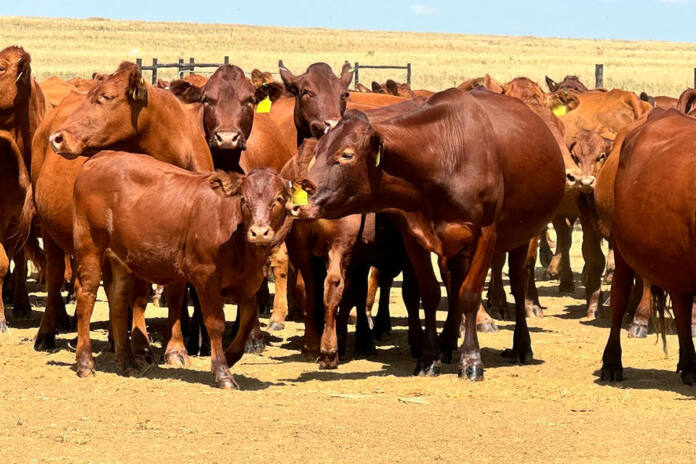
Agribusinesses also remain concerned about the impact of FMD on livestock production, marketing opportunities, and exports.
The disease outbreak has resulted in trade restrictions, increased compliance costs, and ongoing uncertainty for livestock producers and processors.
Industry stakeholders have repeatedly warned that animal health challenges continue to undermine confidence and investment in the livestock sector.
The survey suggests that progress in controlling FMD will remain critical to restoring confidence across agricultural value chains.
El Niño fears add to uncertainty
Weather uncertainty is another factor weighing on producer sentiment.
Louw said concerns about a possible El Niño event were compounding existing economic pressures.
“Because grain and oilseed production is conducted under approximately 90% rain-fed conditions and only 10% irrigation, climate and rainfall expectations pose a significant risk. On top of all the economic concerns, the prospect of an El Niño event feels like the straw that breaks the camel’s back.”
While much of South Africa benefited from favourable rainfall during the 2025/26 production season, producers remain cautious about the outlook for the next planting cycle.
Risks facing the sector
Looking ahead, Louw identified four key risks facing the grain sector over the next six to 12 months: surplus grain stocks remaining in South Africa for an extended period, persistently high input costs, continued weakness in international grain prices, and the possibility of an El Niño event affecting production.
The confidence survey similarly points to a combination of domestic and international challenges that could affect agricultural profitability during the second half of the year.
Restoring confidence
Industry leaders say the survey underscores the need for effective disease control measures, policy certainty, and improved logistics to support growth in the agricultural economy.
Asked what could help restore confidence in the grain sector, Louw pointed to subsidised crop insurance as one of the most effective interventions available to producers.
Agbiz is expected to provide further details on the performance of individual sub-indices and sector-specific trends in the coming weeks.
At the time of publication, no responses had been received from the Red Meat Producers’ Organisation, the Department of Agriculture, or the Industrial Development Corporation.