
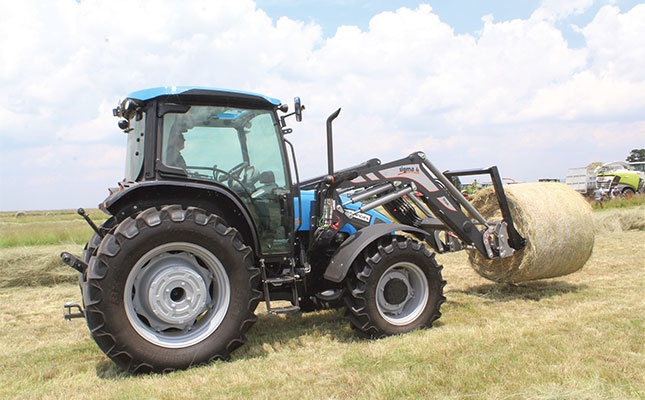
Rising input costs and tightening margins mean every machinery purchase must work harder than ever. For many farmers, previously owned equipment offers a cost-effective route to maintaining efficiency, provided the purchase is made with clear intent and careful evaluation.
According to Western Cape farm equipment broker Debbie Smit, the decision to buy new or second-hand hinges on a farmer’s needs, the demands of their operation, and whether newer technology will provide a meaningful return.
“Farmers typically operate in five-year machinery cycles, replacing key equipment once it reaches the 2 000 to 3 000-hour mark, which means many used machines on the market fall within this age range. Five-year-old technology is still more than capable of keeping farmers efficient and precise,” Smit explains.
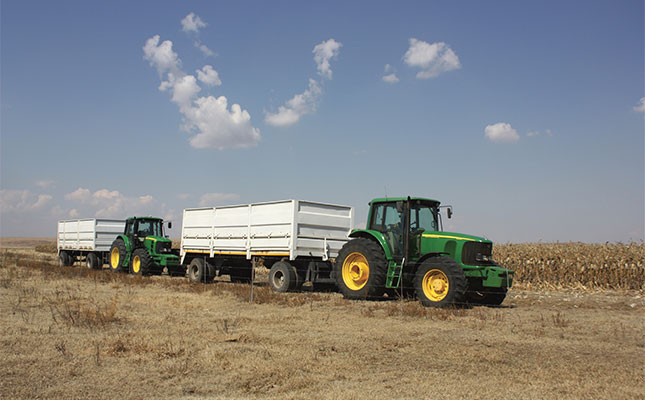
With precision tools central to financial viability, farmers must match their machinery choices to their production goals and cost-saving needs. New equipment undeniably brings advantages: increasingly advanced guidance systems such as auto-steer, cleaner grain from updated harvester technology, and better fuel efficiency. But buyers must weigh these benefits against the price tag and the higher repair costs associated with specialised modern systems.
Smit notes that every decision should be based on the farmer’s actual needs.
“If the new machine is not going to save you money in the long run, then it might not be worth it. When chosen wisely, second-hand equipment can be an affordable and reliable choice.”
The right tool for the right job
There are multiple factors that should be considered that guide whether a particular second hand machine is a wise or foolish choice.
In this regard, Smit advocates for five W’s: where does it come from, who serviced it, who repaired it, who drove it, and what work did it do.
“To understand in what state the equipment truly is, it is important to see its service history, and whether it was serviced or repaired by a reputable mechanic or dealership workshop. Any mechanical issues in the service history needs to be taken into consideration. If the equipment does not come with detailed records of its upkeep, it’s best to steer clear.
“Who, for the most part, drove the equipment is also important because generally, those driven by single operators are in better shape than those driven by multiple operators.”
The age and hours of the equipment should be taken into account. While there are general guidelines, like not exceeding 5000 hours, the five W’s should be used to guide decisions.
“Lower hours are always better, but this should be considered in the context of who serviced the equipment, and if any big repairs were needed. A machine can have 5000 hours on the clock, but might have been pulled through the mud day in and day out. A machine with 10 000 hours, but which was treated gently, would then be a better buy,” Smit explains.
Viewing equipment in person is a crucial aspect of wise-decision making. Smit says that buyers must personally view the equipment to ensure that they are getting what they bargained for. During the visit, buyers should request a ‘cold start’ of the equipment to check if the machine has any trouble starting.
There should be no excessive smoke, and the engine should idle smoothly. Blue smoke can indicate an oil issue, while white smoke points to a coolant leak.
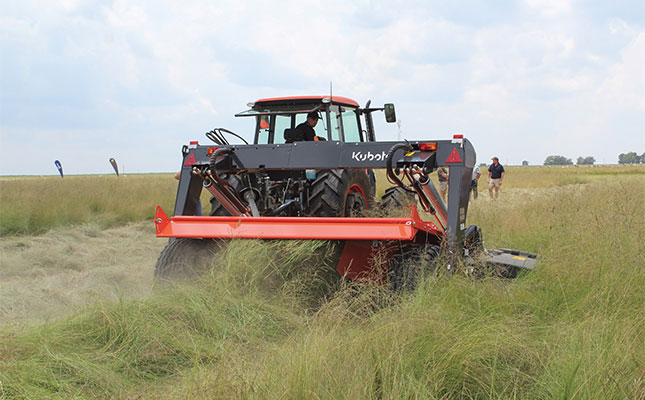
Buyers must ensure that the hydraulics system is running smoothly, including gear changes.
“There should not be any jerking or slipping. Any moving parts must be checked to ensure they are working properly and smoothly. Test the hydraulic system by hitching a heavy implement and lifting and lowering it”, says Smit.
The process should be smooth, and the implement should remain in the raised position with the engine off. Look for leaks around seals, and dirty joints. Check for signs of wear and tear, rust, cracks, or poor welding, and pay close attention to articulation points, bearings, and grease nipples. Metal shards can indicate improper maintenance.
“Taking the machine for a test drive is important, and buyers should ensure the machine moves forwards and backwards easily, and that elements like the brakes are in good working condition,” Smit advises.
Finally, the support behind the equipment should be considered. Used equipment does not mean that support from a dealership is excluded, and buyers should ensure that the equipment they buy can be serviced locally, and that spare parts are readily available. Extended warranties can be considered, which also aids the re-sale value of the equipment.
Avoiding costly mistakes
One of the biggest mistakes buyers of previously used equipment make, is diving into a purchase without doing their homework.
“Bypassing a mechanical inspection before buying, overlooking maintenance records, not viewing and test driving the equipment, and not making sure everything works properly before purchasing, can cost buyers dearly,” says Smit.
Buyers can follow two routes when searching for previously owned equipment: work through an agent or dealership, or go it alone. When choosing the latter route, Smit notes that buyers need to do extensive research on a particular machine before making an offer.
“After COVID, there has been a big influx of marketers selling farm equipment that do not necessarily know or understand the market, or farmers’ needs. Equipment is passed from one marketing platform to another, and each adds their own commission, resulting in a price that is above what is market related. So if you see the same machine being marketed on a host of platforms, approach with caution.”
Smit advises buyers to find an agent that they trust and with whom they can build a long term relationship.
“A good agent understands the buyers’ needs, where they are and what equipment is best suited for them. They know what a fair, market-related price is for the equipment they need to buy, and for that which they need to sell on behalf of their client.”
She adds that buyers should not be embarrassed to ask questions about the equipment, test drive it, and should not be strong-armed into a transaction, especially if the price seems higher than it should be.
For more information email Debbie Smit at [email protected].