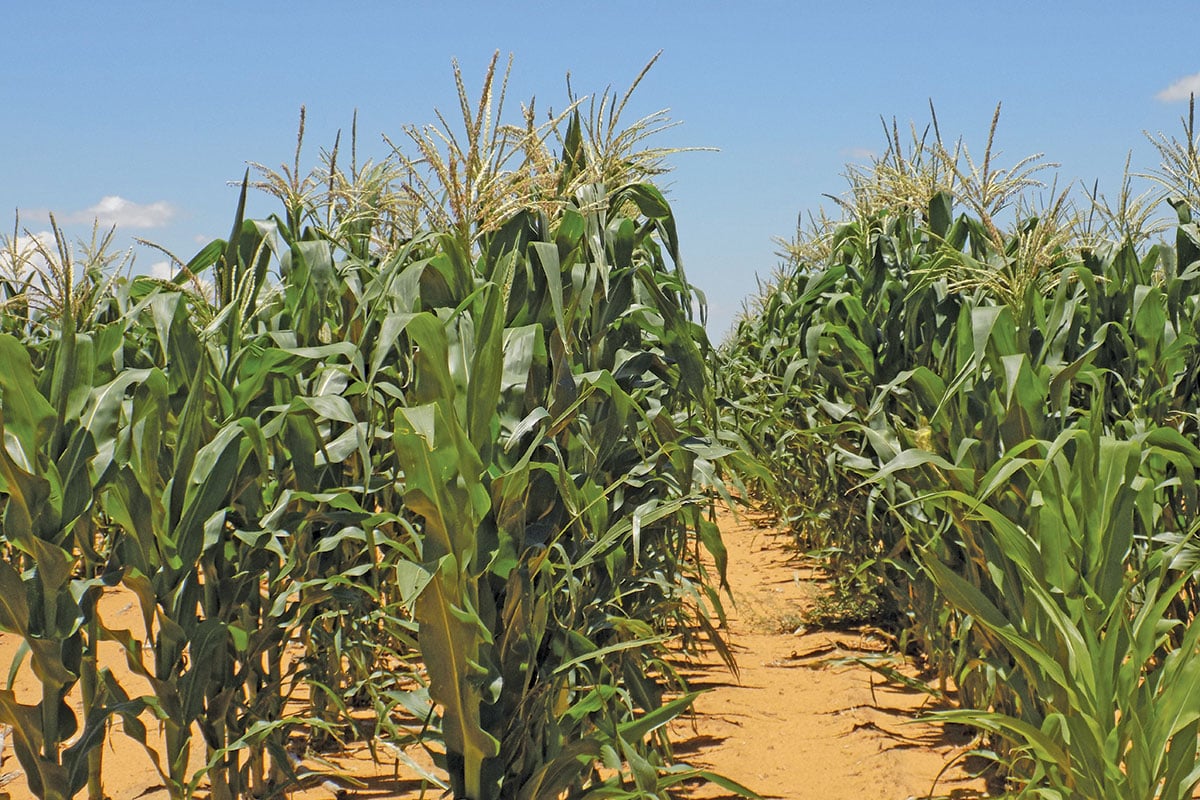
There is a moment every serious farmer must confront, the moment when producing a good crop is no longer enough. When your neighbour’s maize stands just as tall as yours, but he is reinvesting in a new planter while you are struggling to cover input costs for next season. The difference, often, is not the farming. It is the financial management.
South Africa’s smallholder sector is brimming with agricultural talent. There are farmers who understand their land, their soil, their seasons. But the leap from smallholder to commercial farmer is not made in the field alone; it is made in the office, or even at the kitchen table, with a pen and a set of financial records. And the income statement, sometimes called the profit and loss statement, is where that journey begins.
What is a farm income statement?
An income statement is a formal summary of your farm’s financial performance over a specific period, usually one financial year. It answers one fundamental question: did your farm make money or lose money, and by how much?
Unlike a simple cash book that records what came in and what went out of your bank account, a proper income statement tells the full story of your farming operation. It captures the true economic performance of your business, not just your cash flow. This distinction, as we will explore, is critical.
Practical example
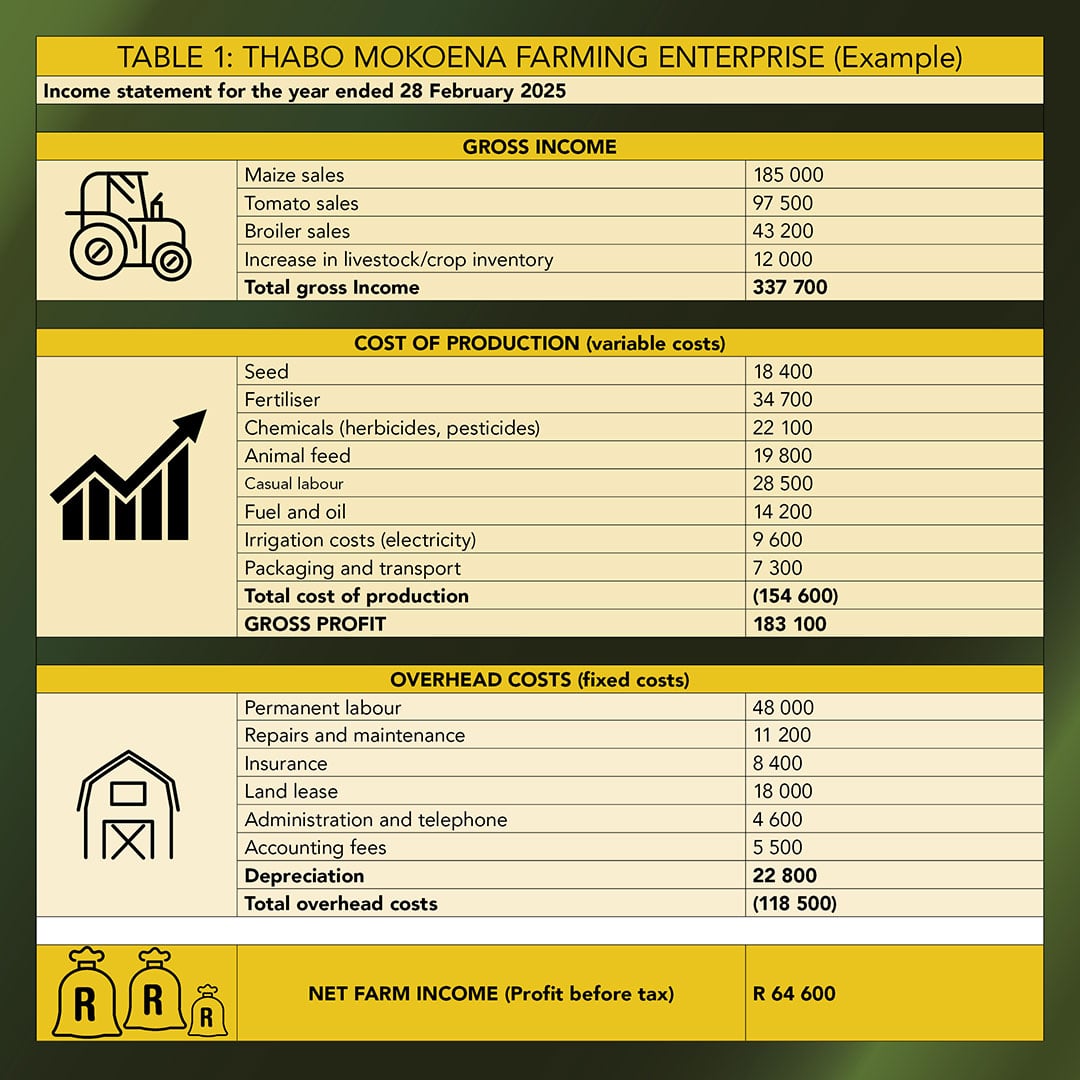
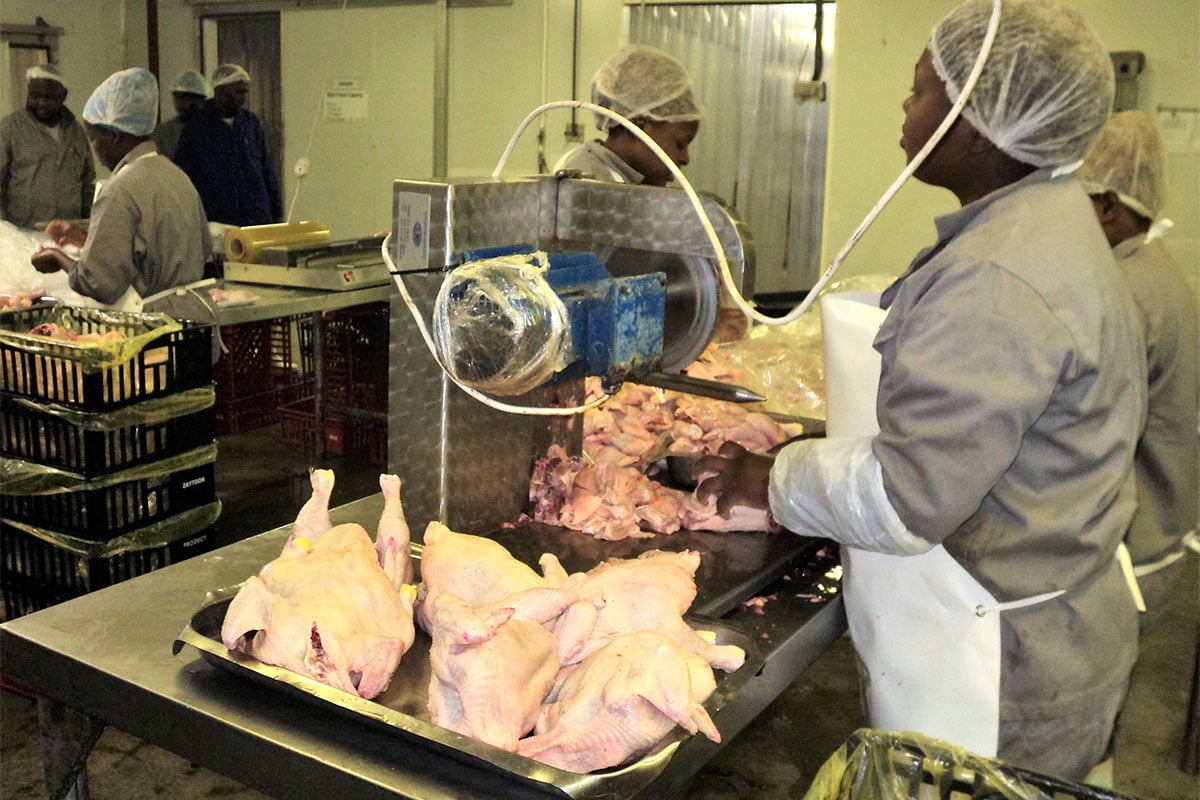
Let us walk through the income statement of a fictional but realistic South African farmer Thabo Mokoena, who farms 15ha in Limpopo producing maize and tomatoes, with a small broiler operation on the side.
Breaking down the components
1. Gross income – more than just what you banked
Notice that Mokoena’s income includes not just cash sales, but also an increase in inventory of R12 000 (see Table 1). This reflects the accrual accounting principle, one of the important concepts for any farmer transitioning to commercial management.
Accrual accounting means you record income and expenses when they are earned or incurred, not simply when cash changes hands. If Mokoena harvested 10t of maize in February but only sold 8t before his year-end, the value of the 2t still in his silo belongs to this year’s income – he earned it this season, even if the cash arrives next month.
This is the opposite of cash-basis accounting, which many smallholders use instinctively. Cash accounting is simple but dangerous for farmers, because of the seasonal nature of agriculture. A farmer who sells a large crop in March and buys inputs in September may appear profitable in one month and broke in another, yet his true annual performance could be quite healthy. Accrual accounting smooths this out and gives a far more accurate picture.
For South African commercial farmers, the South African Revenue Service (SARS) also recognises accrual accounting, and your financial statements will need to reflect this as your enterprise grows.
2. Gross profit and the gross profit margin
Gross profit (R183 100) is what remains after deducting the direct costs of producing your crops and livestock. It tells you whether your core farming activities are profitable before you even consider your overheads.
A useful measure here is your gross profit margin:
Gross profit margin = (gross profit ÷ total income) × 100 = (183 100 ÷ 337 700) × 100 = 54,2%
This means that for every rand Mokoena earns, 54c remains after paying direct production costs. Benchmarking this figure against similar enterprises, available through AgriSA, the Land Bank, or commodity organisations like Grain SA, tells Mokoena whether his production efficiency is competitive.
3. Variable vs fixed costs – knowing the difference saves you
Variable costs (cost of production) change with output. If Mokoena plants more hectares, he buys more seed and fertiliser. Fixed or overhead costs, by contrast, stay largely constant regardless of production levels. His permanent worker’s salary is paid whether the season is good or bad.
Understanding this distinction is powerful. In a drought year, Mokoena cannot reduce his fixed costs easily, which is why commercial farmers maintain cash reserves and manage debt carefully.
Knowing your fixed cost base tells you the minimum you must produce just to keep the lights on, or your break-even point.
4. Depreciation – the cost you cannot ignore
Depreciation is a misunderstood concept for emerging farmers, yet it is important. In Mokoena’s statement, R22 800 is recorded for depreciation. No cash left his account for this, so why is it there?
Depreciation represents the wearing out of your capital assets over time. Mokoena owns a tractor worth R280 000 and an irrigation system worth R95 000. These assets do not last forever. The tractor may have a useful life of 10 years; the irrigation pipes perhaps 15 years.
Depreciation allocates a portion of an asset’s cost to each year it is used.
Straight-line depreciation is the most common method:
Annual depreciation = (cost − salvage value) ÷ useful life tractor: (R280 000 − R30 000) ÷ 10 years = R25 000/year
If Mokoena ignores depreciation and only looks at cash in and cash out, he will believe he is more profitable than he truly is, until the day his tractor breaks down irreparably and he has no funds to replace it.
Commercial farmers set aside the equivalent of their annual depreciation figure to fund future capital replacements. It is not an optional concept; it is financial survival.
SARS also allows you to deduct certain asset depreciation (called a Section 11(e) allowance) for tax purposes, making this doubly important to understand.
5. Net farm income, the bottom line
Mokoena’s net farm income is R64 600. This is the profit of his farming business before personal tax. But here is a critical question commercial farmers must ask: is this sufficient?
Consider that Mokoena invested over R600 000 in land lease prepayments, equipment, and working capital. A return of R64 600 represents roughly a 10% return on investment. Is that acceptable? Could he earn more by leasing his land and investing the capital elsewhere?
This kind of analysis, comparing your return on farming investment against alternative uses of capital, is the thinking of a business owner, not just a producer.
Other key concepts for the emerging commercial farmer
Inventory valuation matters enormously in farming. At year-end you must value your stored grain, standing crops, and livestock consistently, either at cost or net realisable value. Inconsistent valuation distorts your profitability from one year to the next.
Prepaid expenses and accrued expenses are the accrual principle in action on the cost side. If Mokoena pays his insurance premium of R8 400 in January for the full year, only two months’ worth (R1 400) belongs to the current year ending in February. The rest is a prepaid expense: an asset, not a cost.
Owner’s drawings do not appear on the income statement. Many smallholders confuse personal living expenses with farm costs.
Drawing a salary from the business is a separate matter from the farm’s profitability. Mixing the two is a common and damaging financial error in emerging farm enterprises.
Interpreting the statement beyond the bottom line
Net profit alone is misleading. A farmer needs to understand ratios, the operating expense ratio (total expenses ÷ gross income), the return on assets, and the debt-to-income ratio. These tell you why you’re profitable or not, and not just whether you are. A 10% net margin means something very different on a R300 000 turnover versus R3 million.
The relationship between the income statement and other financial statements
The income statement doesn’t stand alone. It connects to:
- The balance sheet, which shows what you own versus what you owe. Your net profit increases your equity (owner’s wealth) on the balance sheet.
- The cash flow statement, which explains why a profitable farm can still run out of cash. This is a common shock for emerging farmers: you showed a R60 000 profit, but your account is empty because you bought a planter and debtors haven’t paid yet.
Understanding how these three statements talk to each other is important.
Seasonal income and multi-enterprise allocation
Most South African smallholders run mixed enterprises, like a grain crop, vegetables, and a few livestock. The income statement should ideally separate these into gross margin analysis per enterprise. Otherwise, you may be unknowingly subsidising a loss-making enterprise with profits from a winning one. Many farmers discover their cattle operation is destroying the profits from their maize only when they break the numbers apart.
Debt servicing and interest
Interest on loans from the Land Bank, commercial banks, or input suppliers must appear on the income statement. Many emerging farmers omit it or treat it as a personal expense. If you borrowed to buy a tractor, the interest is a farm cost. Ignoring it overstates your profitability and leads to dangerous borrowing decisions.
The difference between profit and viability
A farm can show a net profit and still be unviable. If Mokoena isn’t paying himself a market-related salary, the profit figure is inflated and he’s effectively subsidising the business with his own labour.
Commercial viability means the farm covers all costs, including a fair return to the owner’s labour and capital. This reality check is essential before anyone approaches a bank or investor for growth funding.
Benchmarking and trend analysis
A single year’s income statement is a snapshot. Three to five years of statements reveal trends. Is your gross margin improving? Are overheads growing faster than income? Are input costs eating a bigger share of revenue each year? Longitudinal analysis turns the income statement from a compliance document into a genuine management tool.
Budget vs actual comparison
Commercially minded farmers prepare a budget income statement at the start of the season, projecting expected income and costs based on planned production.
They then compare actual results against budget monthly or quarterly. Variances trigger management responses: if chemical costs are 30% over budget by mid-season, something is wrong and it can still be corrected. This forward-looking use of financial statements is what truly separates a managed business from just a production operation.
The road ahead
Preparing your first proper income statement can feel overwhelming, but it does not require an accounting degree. It requires discipline, keeping records of every sale, every input purchase, every fuel receipt.
Start with a simple spreadsheet. Engage an agricultural accountant or approach organisations like AgriSA’s transformation desk, the National Agricultural Marketing Council, or your provincial Department of Agriculture for support with financial literacy training.
The income statement is not just a document for the bank or SARS. It is your farming mirror. It reflects, without sentiment or excuse, the true performance of everything you have worked for across a season.
Commercial farmers read that reflection honestly, learn from it, and use it to make better decisions next year. The field grows the crop. The income statement grows the business.