Latest articles
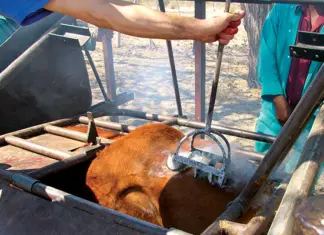
Different methods of marking livestock
Livestock can be marked to establish ownership. One method of permanent marking you can use is branding.
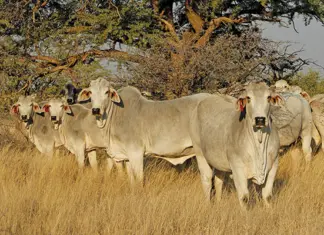
Know your cattle: Brahman
The Brahman breed is well known for its hardiness, adaptability and calving ease.
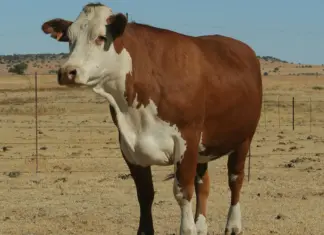
Know your cattle: The Braford breed
The Braford is a highly adaptable beef breed with good disease resistance.


Know your cattle: Afrikaner, the no-nonsense breed
The Afrikaner has good depth and muscular loins, rump, back and thighs. However, it has a fairly shallow body.

Chicken care: preventing diseases
This week we discuss leg and skin conditions in chickens and how to prevent them.

Giving your animals inoculations – part 4
When injecting your animals, always consult a vet if you don't know what you're doing. This week, we look at the consequences of badly administered injections and the importance of keeping records.
Giving your animals inoculations – part 3
When it comes to inoculating your animals, you have to know what you're doing, or you'll hurt the animal. This week, we look at the different ways of giving injections
Issue date: 26 November 2010
Issue date: 26 November 2010
Giving your animals inoculations – part 2
Some medicines and vaccines can only be given to animals by injection. But you must know what you're doing, otherwise you can hurt the animal.
Giving your animals innoculations – part 1
An injection is the best method of administering certain medicines and vaccine. But when it's not given properly, an injection can do more harm than good.
Tick-borne diseases in goats and sheep
Tick-borne diseases can cause major animal losses. This week we look at how to identify heartwater.
How to tell if your chickens have NCD
This bird disease is highly contagious, especially to domestic poultry. Death rates are high and no treatment is available.
Calving and pregnancy in cattle – part 1
Cattle occupy a unique role in human history and some consider cattle the oldest form of wealth. One of the ways to get your cattle to multiply and your wealth to grow is through "breeding management".

Managing a sow – part 2
A sow is a female pig used for breeding, and a healthy female can give six or more litters. This week we look at handling a pregnant sow.

Castrating your beef calves – part 2
This issue we look at three more ways to castrate your beef calves – rubber rings, open wound and the short-scrotum method.
Castrating your beef calves
Castration stops a bull calf’s testicles working so that it can’t reproduce, and also prevents the production of male hormones.
Are your chickens healthy?
If you know what to look for, you can treat sick chickens, prevent diseases from spreading in your flock and select healthy chickens when buying new ones.
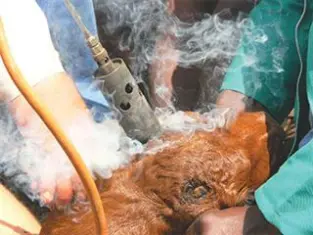
Dehorning beef cattle
Dehorned cattle are easier to work with, house and transport. The chance of bad bruising is lessened, as is the danger of injury to udders, flanks and eyes, as well as to labourers working with the animals.