Happy New Year!
South African agriculture remains the resilient backbone of our economy, continually demonstrating world-class productivity despite facing significant headwinds. But resilience comes at a cost: farmers are facing increasing cost pressure and rising farm debt.
And so, as we enter 2026, the sector deserves more than just survival; it deserves the stability and support necessary for exponential growth, for the sake of our farmers and consumers.
I have thus created a wish list for 2026. I believe this wish list illustrates a simple blueprint for moving South Africa’s agricultural output from adequate to exceptional.
Wish 1: The end of infrastructure paralysis
My first wish, which is probably on everybody’s wish list, is the complete and sustained resolution of national infrastructure failures. Agriculture cannot thrive if the logistics pipeline is fractured. We need stable, predictable energy access that allows for the efficient running of farms, processing facilities, and cold storage.
We also need a functional rail and port network. Produce rotting in containers due to port congestion is not a farming problem; it is a national economic failure.
Wish 2: Recognising and tapping into the informal market
For too long, the informal sector has been largely ignored or underestimated. I believe that to take national food security and agricultural transformation — which does not mean excluding anyone, but rather including new entrants — to the next level, we must acknowledge the monumental buying power that lies within the informal economy.
This vast, growing market, which consumes a large percentage of fresh produce from fresh produce markets, represents a massive, often overlooked opportunity for small-scale and emerging farmers. My wish is for agribusinesses to create dedicated, flexible route-to-market solutions that service this sector.
The informal market requires different specifications and is less stringent than large retailers, providing an ideal entry point for smaller producers. By supporting the entrepreneurial spirit of township eateries, hawkers, and fast-food providers, we can unlock simultaneous growth for both commercial agriculture and rural development.
Wish 3: Investment in human capital and complementarity
Finally, we must continue to invest in the people who drive the sector. This means investing in training programmes for new entrants, as well as training in other skills, such as financial literacy, for already established farmers.
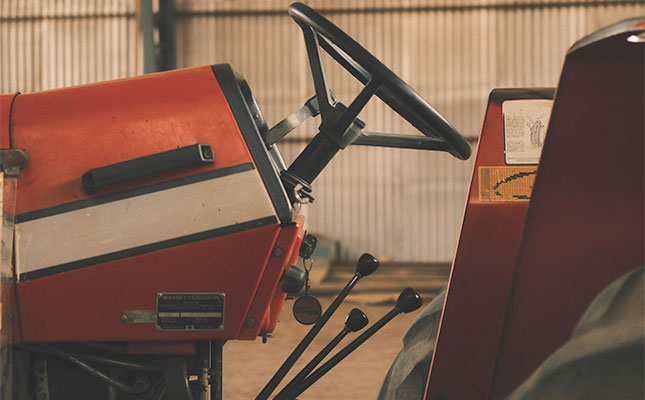
While mechanisation is vital for scaling up and global competition, the human element remains essential for quality control, observation, and specialised tasks.
My wish is for the sector to stop viewing labour and machinery as a zero-sum trade-off. Instead, let us focus on complementarity: using technology to increase efficiency while training staff to manage, maintain, and execute the nuanced, high-value tasks that only human skill can provide.
This year, we must move past reactive problem-solving toward proactive, strategic growth.