“Despite ongoing disease risks, pork producers continue to achieve healthy profit margins, supported by relatively low feed costs and firm pork prices. However, concerns surrounding disease outbreaks have increased market uncertainty and encouraged higher import volumes during the second quarter of 2026,” said Marlene Louw, CEO of the South African Pork Producers’ Organisation (SAPPO).
“This additional supply has eased market tightness, resulting in pork prices retreating from the elevated levels seen at the beginning of the year,” she added.
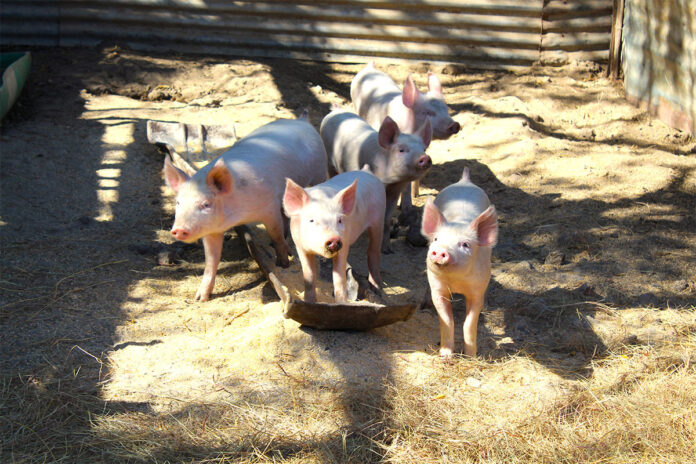
SAPPO’s latest Pork Industry Quarterly reflected the impact of the disease outbreaks that struck in late 2025. Pig slaughters during the first quarter of 2026 declined by 5,1% year-on-year, while pork production was also 5,1% lower than the corresponding period in 2025 as reduced herd numbers constrained supply.
However, the tighter supply, together with sharply lower feed costs, boosted producer profitability. Yellow maize prices declined by 34,3% year-on-year during the first quarter, while real producer pork prices averaged R38,85/kg, 4% higher than the previous quarter, and almost 24% higher than a year earlier.
Disease outbreaks lose momentum
The industry’s outlook has improved considerably as the spread of both ASF and FMD has slowed. Louw told Farmer’s Weekly that no new ASF outbreaks had been reported in commercial production units since April 2026.
“FMD outbreaks have also lost momentum, with only one new affected unit reported over the past month.”
SAPPO added that 150 000 FMD vaccine doses had been distributed across affected provinces, and that it had requested a second allocation from the latest vaccine consignment received in South Africa. Approval would allow the pig sector to consolidate the progress already made in controlling the disease.
The challenges around slaughtering pigs from FMD-affected farms have also eased.
“While several abattoirs are still undergoing the designation process, a process that has proven lengthy and administratively challenging, the industry’s capacity to slaughter pigs from FMD-affected farms has increased substantially since the start of the year. As a result, the situation has improved significantly, although some constraints remain,” Louw said.
Rebuilding herds will take time
Although the industry is firmly on the road to recovery, rebuilding production capacity is a slow process. Louw explained that restocking after an ASF outbreak involved far more than simply purchasing replacement animals.
“When an outbreak occurs, the affected farm is completely depopulated and must remain empty for a quarantine period to minimise the risk of reinfection. Once repopulation can begin, breeding stock is introduced gradually and in batches to establish an appropriate age profile within the herd and ensure staggered farrowing cycles. Replacement gilts and sows also require time before they can breed and farrow. As a result, restoring a farm to full productive capacity can take 18 months or longer.”
SAPPO said sow numbers and restocking progress were currently under review, with breeding herds expected to return to pre-disease levels by the end of 2026. Louw added that the industry’s productive capacity should recover to pre-outbreak levels over the next 12 months.
With disease becoming more manageable, producers are increasingly turning their attention to economic pressures. Louw said margins could come under pressure if adverse weather conditions reduced maize production into 2027, increasing feed costs.
At the same time, elevated volumes of imported pork currently in storage were weighing on domestic prices and limiting further price increases. Disease risks are also expected to remain a persistent challenge, although the industry is in a better position to manage these outbreaks than at the same time last year.
Economic risks remain
The Bureau for Food and Agricultural Policy (BFAP) similarly warned in a report that although global grain supplies remained strong and feed prices were expected to stay relatively low in the short term, several risks were emerging. Rising fertiliser costs linked to conflict affecting shipping through the Strait of Hormuz, together with the possibility of an
El Niño weather pattern during the 2026/27 summer, could increase feed costs next year if South African maize production is affected.
Despite these concerns, SAPPO remained optimistic. It said the expected bumper maize and soya bean harvests should continue supporting relatively low feed costs in the near term, while rebuilding production capacity would leave the industry better positioned to meet domestic demand and withstand future disease outbreaks.