
The QLFS for the fourth quarter (Q4) of 2025 showed that gains in the agriculture sector formed part of a modest overall improvement in the labour market.
Stats SA reported that the official unemployment rate fell slightly from 31,9% in Q3 2025 to 31,4% in Q4. The number of employed people increased by 44 000 to 17,1 million, while the number of unemployed decreased by 172 000 to 7,8 million over the same period. Formal-sector employment increased by 320 000 to 12,3 million, while informal-sector jobs declined by 293 000 to 3,7 million.
Crops and horticulture lead agri employment
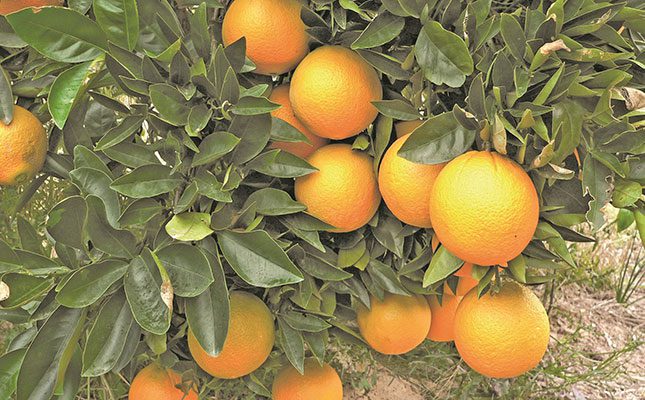
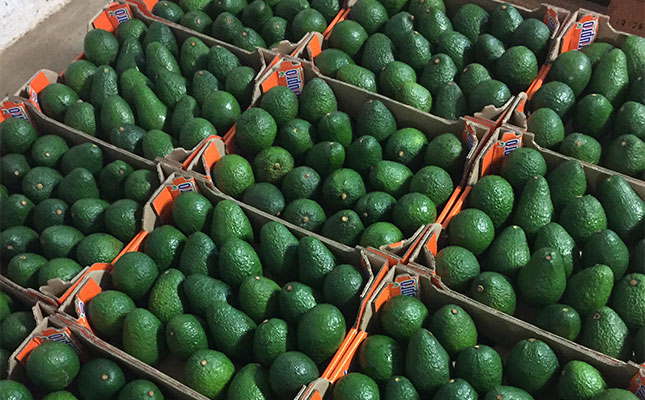
In agriculture, while challenges remain in the livestock industry and youth employment, Agbiz chief economist Wandile Sihlobo said strong performances in field crops and horticulture supported overall job growth.
The Stats SA data show that the number of farm jobs increased by 3% year-on-year in Q4 2025 to reach 950 000. In his commentary on the latest statistics, Sihlobo said this was well above the long-term average of 799 000.
“We observed improved job performance, primarily in field crops and horticulture. The increase in jobs in these subsectors reflects the optimism generated by the abundant harvest, which we have highlighted on numerous occasions,” he added.
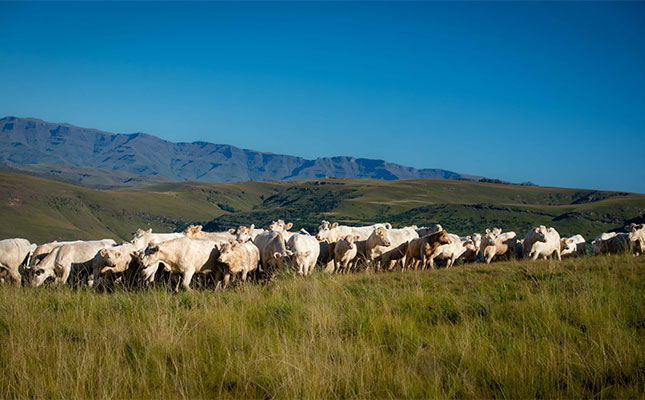
However, Sihlobo said the one subsector that remains under pressure is the livestock industry, mainly due to foot-and-mouth disease (FMD).
“We also saw a reduction in employment in animal husbandry, organic fertiliser production, forestry, and fisheries. Our key takeaway from the jobs data is that the favourable production conditions in horticulture and field crops sustained healthy employment levels in South Africa’s agriculture [sector] through to the end of 2025.”
Looking ahead, he said, with favourable agricultural conditions expected to continue in the 2025/26 season, these employment levels are also expected to prevail.
“But we are concerned about the recent floods in Limpopo and parts of Mpumalanga, and we will be watching their impact on the activity in the fruit industry. Again, our primary concern is the quality of the crop and the income levels on the farms, not necessarily a major harvest decline.
“In the livestock industry, much depends on the pace of vaccination against FMD in the coming months.”
Youth unemployment worsens
While agriculture and several other sectors – namely community and social services (up by 46 000 jobs), construction (up 35 000), and finance (up 32 000) – drove employment gains, youth unemployment remains a concern, with employment among those aged 15 to 34 declining by 113 000 to 5,8 million and the number of unemployed youth falling by 84 000 to 4,6 million, resulting in a youth unemployment rate of 43,8% during the quarter under review.
Speaking to Farmer’s Weekly, KwaZulu-Natal MEC for Agriculture and Rural Development Thembi kaMadlopha-Mthethwa said the figures highlight the urgent need to attract more young people into agriculture to secure the sector’s future and sustain employment growth.
“We have an ageing group of farmers, which is why we need young farmers to come in and inject new energy and enthusiasm into the sector,” she said.
kaMadlopha-Mthethwa added that her department is supporting youth entry into agriculture through practical training opportunities.
“We offer bursaries, learnerships, and internship programmes that give young people hands-on experience in areas such as livestock production, crop production, and agricultural business management,” she explained.
Linking skills development to long-term employment stability, kaMadlopha-Mthethwa encouraged students to specialise and become experts who can respond to current and future challenges in the sector.
“We want young people to become specialists who can help us deal with issues like climate change, fall armyworm, and animal diseases such as FMD. That is how we build a resilient agriculture sector and protect jobs going forward,” she said.
Big gains in the Western Cape
The Western Cape recorded the largest provincial employment gains, with 93 000 new jobs created in the quarter.
Noko Masipa, DA Western Cape spokesperson on agriculture, economic development, and tourism, told Farmer’s Weekly that agriculture alone added 25 000 jobs in the province, indicating the sector’s resilience and its role in linking more people to work.
“These results really show that our Growth for Jobs Strategy is working. By focusing on infrastructure, energy resilience, supporting key sectors, boosting exports, and attracting investment, we’re creating real opportunities for people across the Western Cape,” he said.
In a statement, DA MP Michael Bagraim, spokesperson on employment and labour, highlighted the broader national significance of the QLFS results.
“In [Q4 2025], South Africa saw record agricultural exports, and these brought 30 000 more jobs,” he said.
Bagraim added that to sustain growth, President Cyril Ramaphosa should review black economic empowerment policies, tackle corruption decisively, and allow greater private-sector access to rail and ports to expand exports.