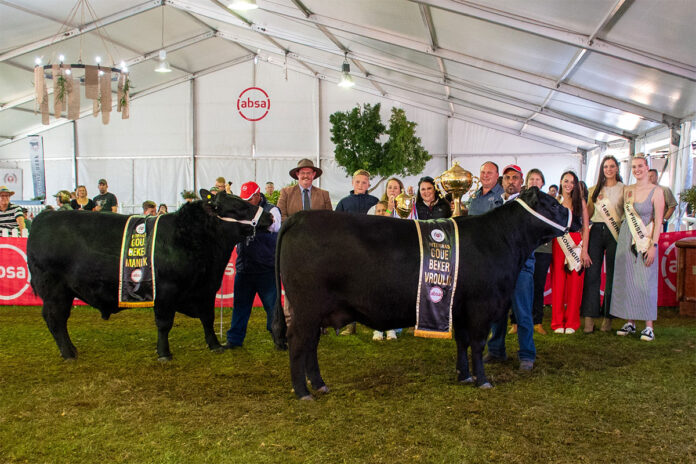
According to Franco Koch, cattle convenor of the Absa Cattle Arena at the Swartland Show, organisers have adopted significantly stricter protocols than in previous years, with the current animal health environment in the country already influencing plans for major breed events.
“Because of the foot-and-mouth disease (FMD) situation, we are actually much stricter on our biosecurity this year,” Koch said.
The focus on biosecurity comes as the Swartland Show prepares to welcome exhibitors and visitors from across the agriculture sector next week, 2 to 5 September 2026.
Livestock competitions remain a cornerstone of the event, providing breeders with an opportunity to showcase genetics, compare animals and engage with fellow producers.
The ongoing FMD situation in South Africa has influenced planning for agricultural shows across the country, prompting the Swartland Show organisers to place greater emphasis on biosecurity and animal movement controls, Koch said.
“This year should have been the Angus and Hereford national championships here in Moorreesburg, but because of the FMD concerns and restrictions affecting the livestock industry, we were unable to host those events.”
He said as a result, this year’s cattle section will feature mainly exhibitors from areas closer to Moorreesburg, although several breeds will still be represented.
Good breeder support
“We thought we were not going to have enough animals for the show, but the breeders close to Moorreesburg really wanted to exhibit and support the show,” he said.
He said exhibitors will instead mainly come from the Western Cape and nearby regions, although several leading breeders from further afield are still expected to attend. Andrew Morrison of the Milagro Stud in the Eastern Cape is also expected to exhibit cattle at the event.
Several breeds will remain part of the cattle programme, including Angus, Hereford, Simmentaler, Romagnola, and Chianina cattle, ensuring visitors still have an opportunity to view a diverse range of genetics.
Biosecurity starts on the farm
Koch said biosecurity starts on the farm long before animals are loaded for transport.
“The first thing that every exhibitor must do is their own biosecurity on the farm. Between three and five days before travelling, a veterinarian must inspect the animals and provide the necessary certification,” noted Koch.
A dedicated offloading area will be established where animals and documentation will be checked before entry to the show is approved.
“Every animal will be checked before it leaves the farm, checked again on arrival, and all the paperwork must be in place before it can enter the showgrounds,” Koch said.
The biosecurity programme extends beyond animal inspections. Livestock facilities, bedding and water points will be cleaned and disinfected, while designated cattle areas will be treated to minimise disease risks.
According to Koch, the stricter approach is not only aimed at protecting this year’s event but also at laying the groundwork for future livestock competitions.
“We want to get everything right and in place, not only for this year, but also for future shows,” said Koch.
Biosecurity safeguarded into the future
An additional safeguard requires exhibitors to isolate animals after they return home from the show.
He said participating cattle will be kept separate from the remainder of a herd for 28 days after returning to their farms to reduce the risk of disease transmission.
Despite the increased requirements, breeders have remained committed to participating.
“Breeders bring their best animals to measure themselves against one another and against other breeds in the interbreed competition. That is one of the reasons why livestock exhibitions remain so important,” Koch said.
He added that experienced exhibitors understand the importance of maintaining high animal health standards and recognise that biosecurity is now an essential part of showing livestock.
Koch believes South African farmers are capable of adapting to the challenges posed by animal diseases while continuing to improve their farming systems.
“South African farmers are very special people. We know how to adapt and work through challenges.
“FMD is another hurdle, but every farmer has to sharpen up their own biosecurity. That is how we protect our livestock, keep agriculture moving forward and ensure that shows like the Swartland Show can continue into the future,” Koch said.