
Even high-quality fruit and vegetables can rapidly lose value if cooling systems fail, transport is delayed or produce is handled incorrectly after harvest. Rising diesel and electricity costs, stricter export requirements and mounting pressure on South Africa’s logistics network are placing cold chain management firmly in the spotlight.
Nampo 2026 is expected to showcase a range of technologies aimed at improving product quality, reducing spoilage and extending shelf life. Logistics, refrigeration, transport, fuel and energy exhibitors are likely to draw growing interest from farmers increasingly focused on post-harvest efficiency.
Post-harvest losses remain a major challenge
Fresh produce losses often occur long before products reach consumers.
Temperature breaks during harvesting, loading, transport or storage can significantly reduce shelf life and quality. Delays caused by deteriorating roads, depot congestion and port bottlenecks further increase risks, especially for export-oriented growers.
The Fresh Produce Exporters’ Forum and South African Refrigerated Distribution Association have repeatedly stressed the importance of uninterrupted cold chains throughout the logistics process.
Retailers and export markets are also demanding greater traceability, stricter food safety compliance and reliable temperature management, prompting many growers to invest more heavily in integrated cooling, storage and logistics systems.
Refrigeration technology evolving rapidly
Energy-efficient refrigeration and cooling systems are expected to be a major focus at Nampo 2026.
Unstable electricity conditions makes the need for cold storage solutions capable of operating under unstable electricity conditions while keeping operational costs manageable. Solar-assisted refrigeration, automated temperature monitoring and remote alert systems are becoming more common, particularly for high-value crops.
Companies such as Carrier Transicold South Africa, Thermo King South Africa, Bitzer South Africa and Danfoss South Africa are among the suppliers likely to attract interest from growers looking to improve energy efficiency and transport refrigeration.
Energy companies are also targeting agriculture with backup and alternative power solutions. TotalEnergies South Africa and Engen South Africa are expected to showcase fuel management and energy-related technologies relevant to cold storage and transport operations.
Logistics becoming part of quality management
Cold chain management no longer starts and ends in the packhouse.
Modern telematics systems can monitor refrigeration performance, fuel consumption, vehicle location and delivery schedules in real time, turning logistics into a key component of quality assurance.
Fleet tracking and logistics technology companies such as MiX Telematics, Tracker South Africa and Ctrack South Africa are likely to appeal to growers seeking greater visibility across their supply chains.
Remote monitoring systems can help identify refrigeration failures before loads are compromised, reducing spoilage and rejection risks.
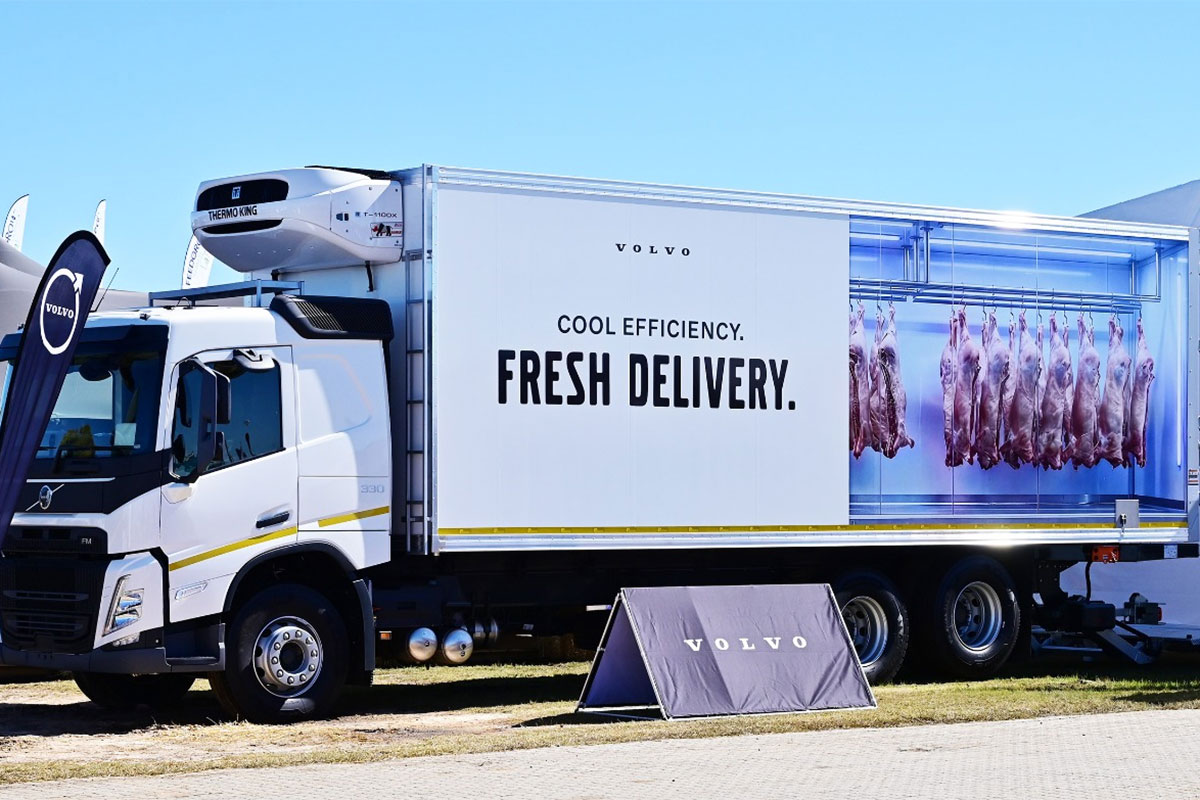
Commercial vehicle manufacturers exhibiting at NAMPO could also provide insight into fuel-efficient refrigerated transport solutions, including Isuzu Trucks South Africa, Hino South Africa, Scania South Africa, Volvo Trucks South Africa and UD Trucks Southern Africa.
Packaging and handling remain critical
Cooling systems alone cannot compensate for poor handling practices.
Improper palletising, inadequate airflow and unsuitable packaging frequently contribute to quality deterioration during storage and transport. Packaging design plays an important role in maintaining airflow and protecting produce from damage.
Companies and organisations such as Mpact Plastics, Corruseal Group and Plastic SA could provide insight into packaging trends, reusable crate systems and export-compliant packaging.
Meanwhile, the Perishable Products Export Control Board (PPECB) continues to play a central role in cold chain oversight and export compliance.
Resilience becoming increasingly important
Unreliable electricity supply, deteriorating infrastructure, port congestion and rising input costs are forcing farmers to rethink post-harvest risk management.
Industry bodies such as Agbiz and the Road Freight Association have repeatedly warned that logistics inefficiencies are undermining the competitiveness of South African agriculture.
For fresh produce farmers, the ability to maintain product quality during disruptions is becoming just as important as production itself.
Fresh produce growers attending Nampo 2026 may benefit from asking exhibitors several practical questions, such as:
- How quickly should produce ideally be cooled after harvest?
- What backup systems are available during power outages?
- Can refrigeration systems be monitored remotely?
- What maintenance requirements and operating costs are involved?
- How much fuel or electricity can newer systems realistically save?
- How quickly can investments in upgraded cooling technology pay for themselves?
- Can systems integrate with export compliance and traceability requirements?