
During a discussion on logistics, Pieter van Zyl, general manager of procurement at Freshmark, said the flow of potatoes from farms to retailers needs to be aligned more closely with consumer shopping patterns.
Freshmark receives 8,7 million data points each month through the Checkers Xtra Savings Rewards programme, which show clear differences in when consumers buy potatoes. Higher-income consumers make 80% of their potato purchases between Friday and Sunday, while lower-income consumers buy most of their potatoes between Wednesday and Friday.
“Therefore, the bulk of potatoes needs to be in stores by Thursday so that we can serve the majority of consumers. It’s all about demand planning. If you get it wrong, you’ll either be short of product or sit with too much,” Van Zyl said.
He added that because demand falls by about 30% during the middle two weeks of the month, farms need sufficient harvesting and packing flexibility to respond to predictable peaks and troughs.
“In a perfect world, you would harvest and market fewer potatoes in the middle of the month,” he said.
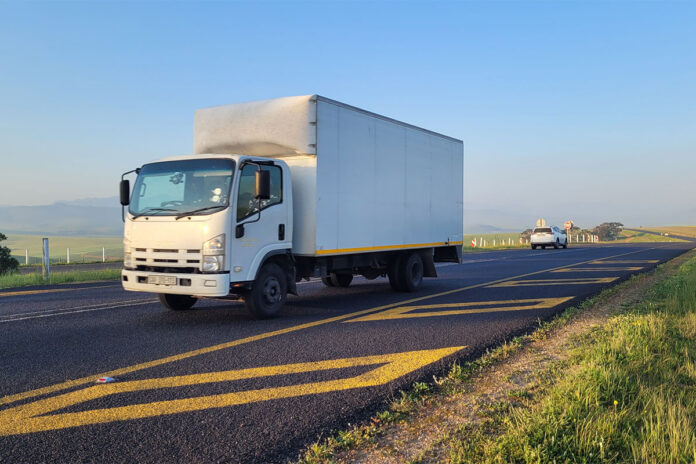
Norman Celliers, CEO of Afgri, said agriculture needs to improve the use of transport capacity to remain cost-competitive.
“We are developing systems that use data on where trucks are located so that routes can be planned more efficiently. Farmers will be able to see which trucks are in their area and tap into that network, rather than booking a truck that has to travel a long distance to reach them while an empty vehicle passes nearby.”
Celliers said efficient logistics planning should start with the intended market and work backwards through the value chain.
“Problems arise when a product reaches a market at the wrong time or in the wrong place. If you work backwards to get the product to the right market at the right time, you remove inefficiencies from the chain.”
According to Louis de Kock, founder of Nile.ag, farmers also need to examine the number of intermediaries between the farm and the consumer. In some cases, produce passes through as many as six middlemen, widening the gap between farm-gate and retail prices.
“With all the technology available, we should be able to reduce the number of intermediaries. Farmers need to play a more active role in marketing their produce and choose partners where the value chain is healthy,” he said.
De Kock did, however, caution that reducing the number of intermediaries places greater responsibility on farmers to market their produce, but direct and shorter market channels also offer opportunities for fresh produce farmers.
“Farmers negotiate hard when buying inputs, but they often spend less time thinking about the best marketing route and where they can optimise. Marketing deserves the same level of attention.”