
Industry specialists warn that adulterated diesel (commonly referred to as ‘dirty diesel’) has evolved from isolated fuel fraud into a sophisticated and highly profitable criminal network operating across the country.
The practice typically involves blending diesel with cheaper substances such as paraffin, kerosene or low-grade fuels before selling it as legitimate diesel.
According to Dr Artie MaCkelve, group CEO of Full Tank and Oil-X, the scale of the problem has reached alarming proportions.
“In our view, the illicit fuel trade has grown to levels where parts of the petroleum industry are becoming increasingly difficult to govern and regulate effectively,” he told Farmer’s Weekly.
The consequences are now extending far beyond the fuel sector itself.
“Farmers, transport operators, logistics companies, mines, generators, commercial fleets and ordinary consumers are all absorbing the financial consequences of contaminated and out-of-specification fuel,” MaCkelve added.
Farms increasingly exposed
Modern farming operations are heavily dependent on diesel-powered machinery, from tractors and combine harvesters to irrigation pumps and backup generators. However, the same technological advances that have improved efficiency and power have also made modern engines far more vulnerable to adulterated fuel.
Rivendren Wayne Moodley, WearCheck’s diagnostician, told Farmer’s Weekly that modern common-rail diesel engines operate under extremely fine tolerances and injection pressures exceeding 2 000 bar. Under these conditions, even minor fuel contamination could reduce lubrication, disrupt combustion and accelerate component wear.

The damage can be extensive, ranging from injector failure and blocked filters to turbocharger damage, excessive carbon build-up and catastrophic engine failure.
Critically for farmers, fuel-related failures are often excluded from machinery warranties, leaving producers responsible for the full repair costs.
For large farming operations running multiple machines from shared fuel tanks, a single contaminated delivery can cripple entire fleets.
“A machine that fails during planting, harvesting or irrigation can disrupt an entire production window, when reliability is essential,” Moodley said.
A booming criminal economy
The economics behind diesel adulteration are straightforward and highly lucrative. Paraffin remains substantially cheaper than diesel because it does not attract the same taxes and levies.
“If an illegal operator blends 50% paraffin with 50% diesel, they can reduce their effective product cost dramatically while selling the mixture as genuine diesel,” MaCkelve explained.
According to public reports cited by MaCkelve, the South African Revenue Service estimates that fuel adulteration and illicit fuel trading are costing the South African fiscus about R3,6 billion annually through tax evasion and illegal blending operations.
Economist Sifiso Skenjana warned that hundreds of filling stations could already be involved in fuel adulteration, while Waal de Waal, COO of Bidvest Protea Coin, said that the company had already identified more than 100 suspected illicit fuel depots across South Africa.
“Mixing and blending have been around for years, but on a very small scale. But these days, it’s just getting out of hand,” De Waal said.
Harder to detect
One of the most troubling aspects of the illicit fuel trade is how difficult adulterated diesel has become to identify.
According to Moodley, paraffin and diesel are chemically similar enough to blend easily, while still differing enough to cause severe mechanical damage.
Adulterated diesel often appears visually identical to legitimate fuel, making ordinary field inspection unreliable.
“The visual and chemical similarities between diesel and paraffin create a major detection challenge,” Moodley said.
South Africa previously relied heavily on chemical marker systems inserted into paraffin to identify illegal blending. However, syndicates allegedly developed methods to remove or bypass these tracers. The problem has been further compounded by imported unmarked paraffin entering the market.
Moodley said some syndicates were now also using additives to manipulate standard fuel test results, allowing contaminated diesel to appear compliant during routine testing.
Farmers urged to monitor warning signs
Specialists say farmers should treat unexplained machinery problems as potential fuel-quality warnings, particularly when several machines supplied from the same tank begin showing similar symptoms.
Common warning signs include:
- hard starting;
- irregular idling;
- excessive smoke;
- rising fuel consumption;
- reduced engine power;
- injector failures; and
- repeated filter blockages.
MaCkelve added that cloudiness, sediment in stored fuel and unexplained downtime could also point to contamination.
Weak points in the supply chain
Agriculture may be particularly vulnerable because many farms store large diesel volumes on-site and operate in remote areas where fuel oversight is limited.
Moodley warns that producers searching for cheaper diesel in an environment of rising input costs may unknowingly expose themselves to major long-term losses.
He said farmers should avoid unusually discounted fuel and buy only from reputable suppliers with proper traceability and documentation.
He also recommended regular tank inspections, water drainage, proper filtration systems and periodic laboratory fuel testing.
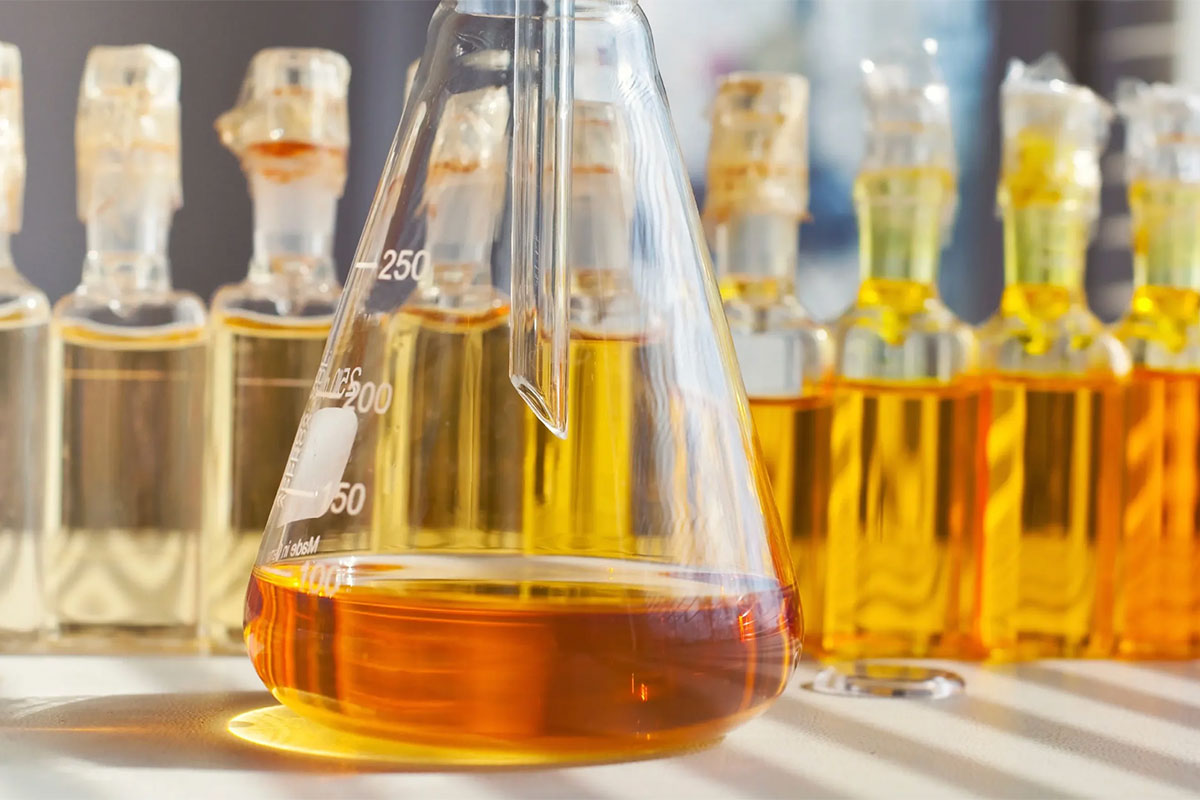
“Routine testing can identify adulteration, water contamination, particulate ingress, poor lubricity and other hidden fuel-quality issues before widespread machinery damage occurs,” Moodley said.
WearCheck recently introduced testing methods capable of directly detecting paraffin adulteration rather than relying solely on traditional marker systems.
“Diesel quality should be treated as a strategic asset rather than a simple commodity,” Moodley added.