Grain SA’s application for an interim interdict against the JSE’s decision to abandon the soya bean multiple reference point (MRP) model is scheduled to be heard today (6 November), amid concerns about the implications for producer income and confidence in the market. The hearing was previously postponed from 8 October.
Dr Dirk Strydom, managing director of Nampo, said the pricing framework must reflect where soya beans are grown, where they are processed, and how the commodity moves between producers and buyers.
Speaking to Farmer’s Weekly, he said the hearing concerns temporary relief pending a separate application to review and set aside the JSE’s decision. The review application was filed on 26 October and has been served on the JSE.
Strydom added that the hearing would not constitute a final determination of the underlying dispute.
A location differential is an adjustment to the futures price for delivery at a particular location. Strydom explained that although it does not determine every farmer’s selling price, it can influence the offers producers receive in the physical market.
He said producers should have the option of using their own transport to deliver to a point with a zero location differential if doing so offered a better return.
Grain SA’s concern is that a methodology that does not respond adequately to actual trading conditions could put farmers at a disadvantage and create opportunities for other market participants to benefit at their expense.
Strydom said decisions affecting producer income should be supported by reliable evidence and a transparent assessment against agreed criteria.
The financial consequences could extend beyond the proceeds from a single harvest. Lower income could leave farmers with less working capital to finance production, purchase seed and fertiliser, maintain equipment, and invest in the next crop.
Strydom added that farmers with fewer marketing options and limited working capital would have less bargaining power.
Soya bean production exceeds three million tons
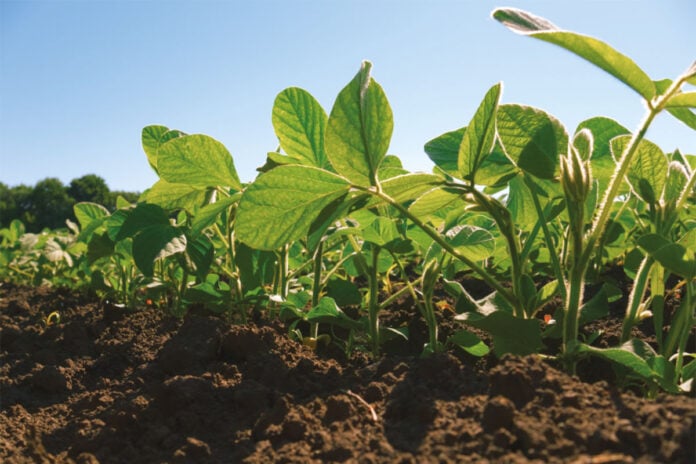
The dispute comes as South Africa’s soya bean production continues to increase.
According to the Crop Estimates Committee’s (CEC) ninth production forecast for summer crops, South Africa is expected to produce more than 3,1 million tons of soya bean in the 2025/26 season, up 7,51% from 2,8 million tons in 2024/25.
The estimate, published on 27 October, was unchanged from September but 13,1% higher than the first forecast of around 2,7 million tons issued in February.
Meanwhile, the CEC’s intentions-to-plant report, released at the same time, shows that soya bean planting intentions for 2026/27 are around 1,2 million hectares, a marginal decline of 0,6% from the 1,21 million hectares planted in 2025/26.
The figures highlight the scale of the soya bean industry affected by the pricing dispute.
Lower producer prices may not reach consumers
Strydom also questioned the assumption that lower prices paid to farmers automatically result in cheaper food.
“Lower prices paid to producers don’t automatically translate into cheaper food,” he said.
Benefits could be retained elsewhere in the value chain, while inefficient differentials could introduce unnecessary costs. Strydom said that fair and transparent pricing should support competition and the efficient movement of soya beans from farms to processors.
He acknowledged that the effect of the JSE’s decision would differ according to farm location, delivery point, buyer, and marketing arrangement.
However, producers, including developing farmers, need access to a transparent market that recognises the economic value of their crops and offers fair opportunities to build sustainable businesses.
Strydom said the MRP methodology would encourage more producers to grow soya beans commercially and strengthen confidence in the structures through which they market their crops.
He added that Grain SA had sought technical input, submitted evidence, and supported the development and testing of an alternative model. A petition and memorandum were presented to the JSE in August.
Strydom said AgriSA, TLU SA, the African Farmers’ Association of South Africa, and Senwes had expressed support for Grain SA’s concerns and legal action.
Grain SA remains open to constructive engagement with the JSE and will communicate further developments after the hearing.