“Younger attendees don’t go to an event merely to consume static content or exhibitions.”
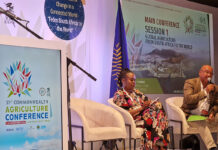
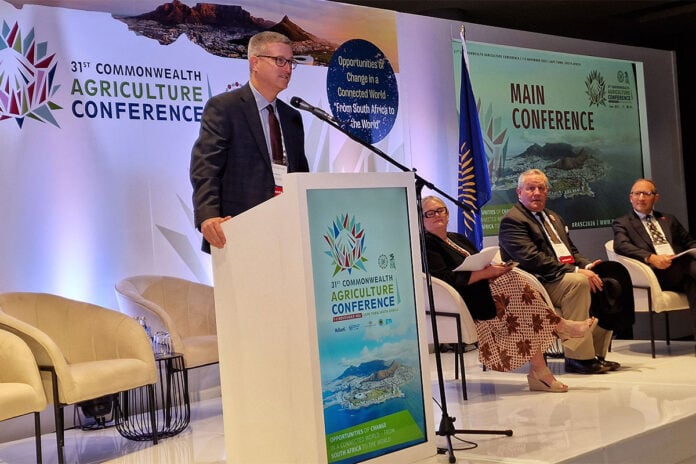
That was the message from Robyn Sermon, CEO of the Royal Agricultural Society of Western Australia, during a discussion on the changing role of agricultural shows.
Sermon said younger generations are increasingly urbanised, digitally connected, and often disconnected from food production, forcing agricultural shows to rethink how they engage audiences and communicate the value of farming.
Her comments set the tone for a broader discussion on how agricultural shows are evolving from traditional livestock and produce exhibitions into platforms for education, innovation, career development, and community engagement.
Building future agricultural leaders
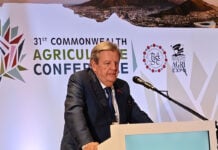
Speaking during the session, Mark Nicholas, CEO of the Royal Norfolk Agricultural Association in the UK, said competitions often deliver far more than trophies and ribbons.
“When was the last time you saw somebody win something at an agricultural show and realised that, for them, it meant far more than a trophy or a rosette?” he asked delegates.
Nicholas said competitions can create confidence, open up business opportunities, inspire careers, and provide recognition to people whose contributions might otherwise go unnoticed. Agricultural shows also serve as centres of education, economic development, and community pride.
He highlighted youth-focused initiatives from across the Commonwealth, including livestock judging competitions and young handler programmes that expose participants to animal husbandry, leadership, and entrepreneurship.
“Competition shouldn’t just identify the best person on the day. It should help develop the best person for tomorrow,” he added.
Reconnecting consumers with agriculture
According to Sermon, agricultural shows are increasingly relying on hands-on experiences to engage visitors. These include agricultural science demonstrations, drone activities, and interactive exhibits that encourage people to interact directly with farmers and exhibitors.
She argued that such initiatives help bridge the widening gap between consumers and agriculture while improving consumers’ understanding of food production and sustainability.
Agriculture’s connection with society
The discussion highlighted the growing role of agricultural shows across the Commonwealth. Panellists said these shows must not only showcase farming excellence but also help consumers better understand the sector that produces their food. They should also create opportunities for the next generation of agricultural leaders.
Bringing a North American perspective was Joel Cowley, CEO of the Calgary Stampede in Alberta, Canada, a 10-day rodeo, exhibition, and festival that attracts more than one million visitors every year.
He said agricultural shows have become important platforms for helping consumers understand the role of agriculture in feeding a growing global population.
“Human life depends upon agriculture. It’s that simple,” he said.
Cowley noted that attracting non-agricultural audiences is essential if shows are to remain relevant. Concerts, food festivals, and other entertainment offerings often draw visitors who might otherwise never attend an agricultural event.
Describing the approach, he said attractions such as motorcross events, fireworks displays, and musical concerts act as the “sugar on the pill”.
“That’s what draws people to us. The pill, the medicine, is agriculture. That’s what we’re trying to deliver. But unless we draw people to the grounds, we don’t even have that opportunity,” Cowley explained.