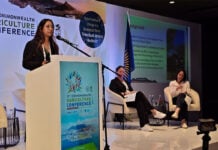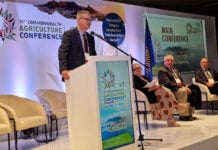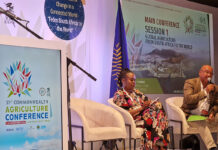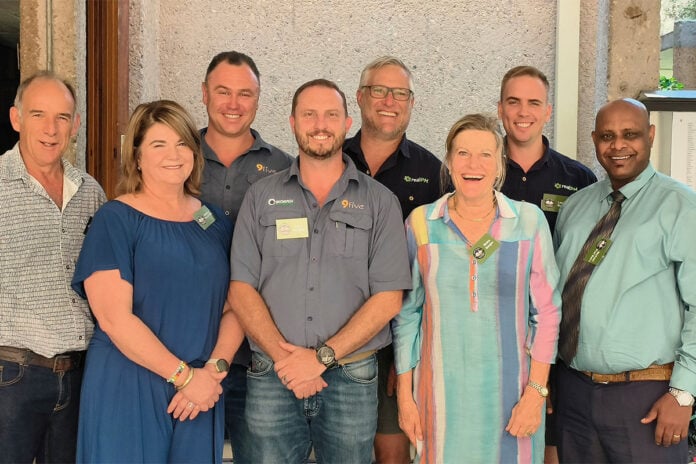
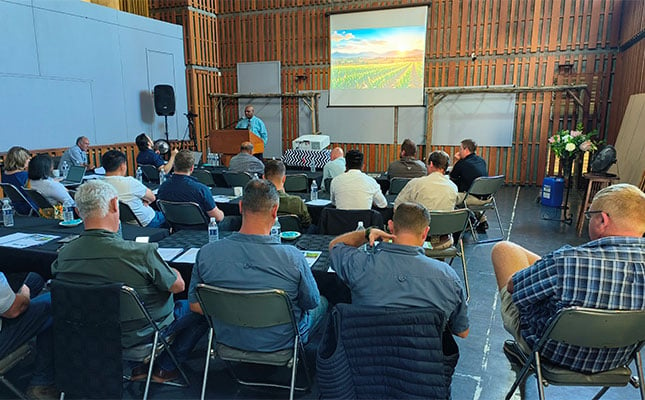
These challenges were discussed at the South African Garlic Growers Association’s (SAGGA) 2026 National Biennial Garlic Conference, held in Pretoria on 15 October.
One of the key decisions made at the conference was to investigate a proposed transition from SAGGA’s voluntary levy to a statutory one.
Chairperson Corrie Bezuidenhout told Farmer’s Weekly that members had supported the executive’s proposal to further explore the change, adding that the association would consult garlic growers and other industry stakeholders to establish their views on the proposal and its implications.
The proposed statutory levy aims to create a more equitable funding model for the industry. SAGGA currently collects a voluntary levy of 0,5% on garlic sold through fresh produce markets, while a growing proportion of the crop is sold directly to supermarket groups. The association believes all industry participants, including importers and processors, should contribute towards funding its activities.
Bezuidenhout said SAGGA would follow the National Agricultural Marketing Council’s (NAMC) guidelines on administration costs and the allocation of funds. He added that approximately 70% of the levy income would be used to support the industry and create a more level playing field for local producers.
Trade protection remains a challenge
Trade protection was another key issue discussed at the conference, with growers facing the prospect of existing antidumping duties on Chinese garlic expiring in February 2027.
Frans Dubbelman, a trade protection specialist, told delegates that SAGGA had decided not to pursue an extension of the existing duties after failing to compile a sufficiently comprehensive application to the International Trade Administration Commission of South Africa. The application was hampered by difficulties in obtaining verifiable financial information from participating producers, while low international garlic prices complicated the process.
Dubbelman said future applications would require greater cooperation from growers, who would need to provide accurate financial records and regularly monitor production, imports, and market conditions.
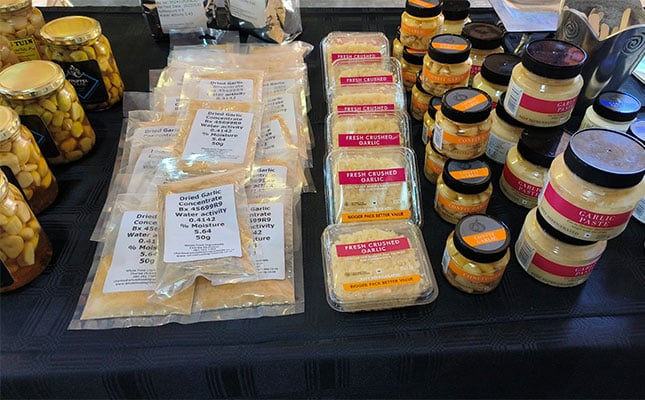
He also highlighted the need to extend the scope of any investigation to include a wider range of garlic products, such as rehydrated garlic and garlic flakes, some of which were showcased at the conference. To further broaden the coverage of future antidumping duties, more countries of origin (COOs) should also be investigated.
Bezuidenhout said the industry was also concerned about the circumvention of antidumping duties through the falsification of documents relating to the COO of imported garlic. He described the smuggling of garlic into South Africa as one of the industry’s biggest obstacles, saying local growers and legitimate importers were being forced to compete with illegally imported garlic sold at lower prices.
Imports gain ground in domestic market
Market statistics presented at the conference showed that 4,56 million kilogrammes of garlic were sold through South Africa’s national fresh produce markets between 2023 and 2025, generating R262 million in turnover. Johannesburg remained the country’s largest trading centre, accounting for 60% of the volume and 55% of the revenue.
Imported garlic’s share of the domestic market increased from 11,3% of total volume in 2023 to 17,4% in 2025. SAGGA also raised concerns about an increase in imports being rerouted via neighbouring countries into South Africa to avoid antidumping duties.
Research and production challenges
The conference also addressed the agronomic challenges facing local garlic producers, with differences in climatic conditions making it difficult to grow commercially competitive varieties in South Africa.
SAGGA said it had collaborated with private enterprises over the past two years to test imported varieties in different production areas. Producers seeking varieties best suited to their specific growing conditions in their specific areas can contact the association through its website.
Efforts are also under way to revive virus-free planting-material programmes through partnerships with the Agricultural Research Council’s Roodeplaat campus and the Western Cape Department of Agriculture.
It added that the NAMC was conducting a comprehensive study on the garlic value chain to assess industry performance, structural challenges, and growth opportunities, and that industry stakeholders were encouraged to participate in the ongoing survey interviews.
Leadership change
The conference concluded with Bezuidenhout announcing that he would be stepping down as SAGGA chairperson at the end of 2026 to make way for new leadership. He thanked his executive team for their voluntary service.
Reflecting on the industry’s difficult economic climate, Bezuidenhout said that although current challenges appeared more severe than those faced in the past, previous generations had also overcome seemingly insurmountable obstacles.
“Circumstances have changed a lot over the years, and the challenges today feel much worse than in the past. However, if we look back at the circumstances of our parents and grandparents, there were also challenges for them that seemed insurmountable, and they coped with them successfully. We can, too,” he said.