
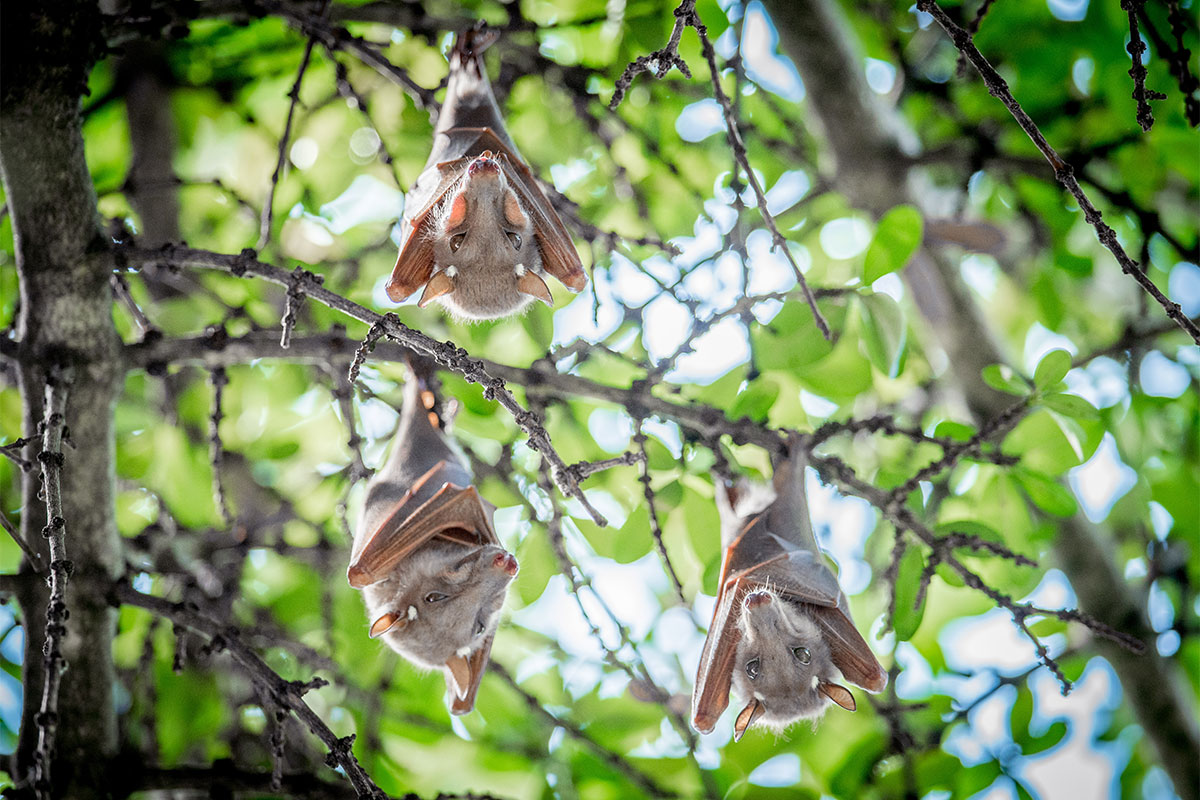
“Bats are not dangerous to humans. There are no vampire bats in South Africa, and most species feed only on insects, fruit, or nectar.
“While bats can live for 30 years or more in the wild, habitat loss, pesticide exposure, and human–wildlife conflict cause the deaths of thousands of these animals each year,” Ofua told Farmer’s Weekly.
Guy Jennings, director at Wild Africa Southern Africa, added that the decline in bat populations in South Africa is extremely concerning because of the vital ecological and economic role they play.
He said that these nocturnal mammals consume vast quantities of agricultural insect pests, helping to reduce farmers’ reliance on chemical pesticides, support crop yields, and, in some species, provide pollination services.
“Their guano also enriches soils, contributing to nutrient cycling. This makes bats a valuable natural asset to South Africa’s agriculture sector, particularly in macadamia orchards, citrus and stone fruit farms, vineyards, and cotton fields,” Jennings explained.
“The protection of bat populations is of the essence, not only for biodiversity but also for more resilient and sustainable farming systems.”
According to a statement from Wild Africa, in South Africa specifically, bats provide important protection for macadamia orchards.
A 2018 study published in Ecosystem Services estimated that bats protect between 0,53% and 1,29% of South Africa’s annual macadamia production by feeding on stinkbugs, equating to avoided losses of about 9% to 23% in pest-related damage costs.
Stinkbug damage is estimated at around R11 000/ha, which means natural predation delivers significant savings per hectare. Without bats, growers could face even higher annual losses.
“Protecting bat populations is essential, not only for biodiversity but also for more resilient and sustainable farming systems. By learning to coexist with bats and safeguarding their habitats, we can ensure that both people and wildlife continue to thrive,” Jennings said.