
The opening session focused on the role of biologicals in integrated pest management (IPM), highlighting both their potential and the barriers slowing their uptake across the AME.
Speaking during the session, Dr Zahra Shokribousjein, a crop protection specialist with CropLife AME, said farmers are facing escalating pest challenges linked to climate change, biodiversity loss, and increased global trade.
She added that pests, weeds, and diseases continue to significantly reduce yields, reinforcing the need for more sustainable and resilient production systems.
Historically, chemical pesticides have been the dominant response. However, Shokribousjein cautioned that their broad-spectrum nature can harm beneficial organisms, contaminate ecosystems, and pose risks to human health.
Biologicals strengthen sustainable pest control
Shokribousjein explained that IPM offers a more balanced approach by combining multiple pest control strategies while minimising environmental impact.
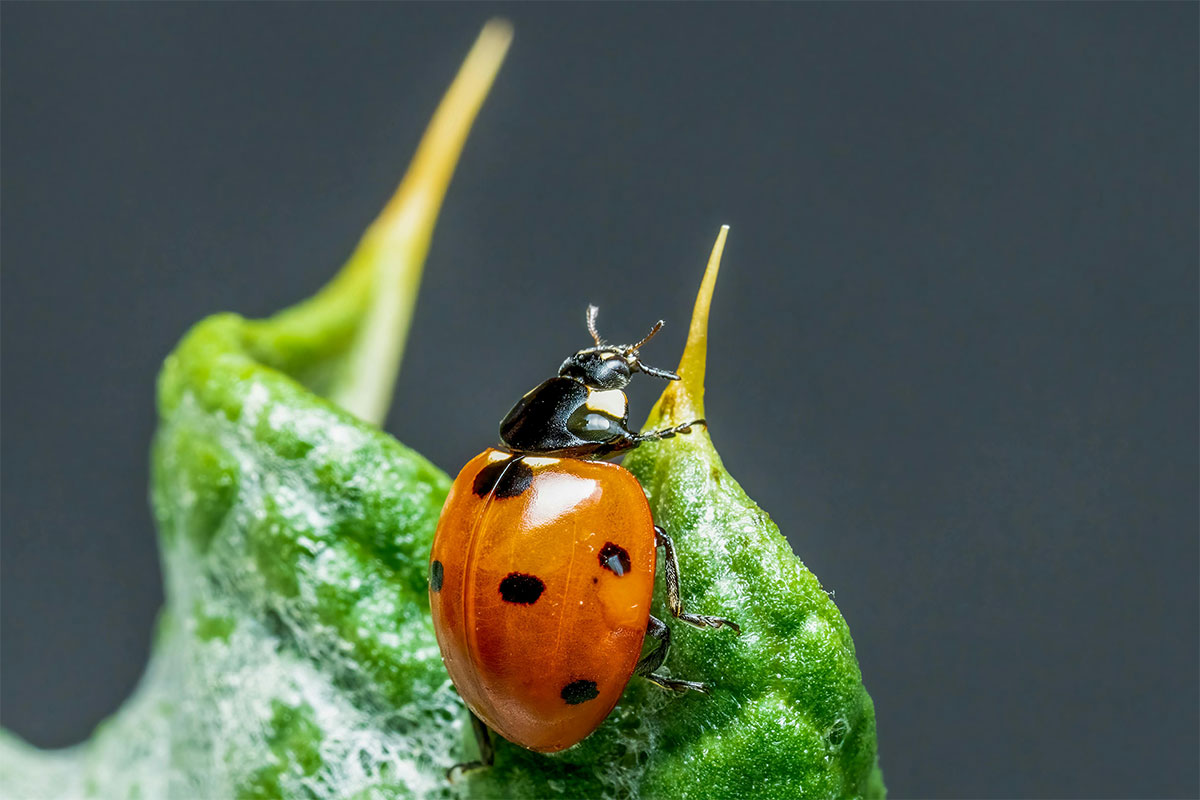
Within this framework, biological crop protection is playing an increasingly important role. These solutions include macrobials such as beneficial insects, microbials like bacteria and fungi, semiochemicals such as pheromones used for mating disruption, and biochemicals such as extracts from the neem tree (Azadirachta indica) that influence pest feeding and growth and improve plant resilience.
“The idea is long-term prevention of pests with minimal risk to human health and the environment,” Shokribousjein said.
She added that IPM relies heavily on farmer knowledge and proactive management, including regular monitoring, crop rotation, and the use of pest-resistant varieties. Biologicals are typically introduced before chemical controls, which are reserved as a last option.
Regulatory gaps limit regional uptake
Providing a policy perspective, Stella Simiyu, CEO of CropLife Africa Middle East, said adoption of biologicals in the AME region remains constrained.
“The market for biopesticides is expanding globally, but our region is still underrepresented, which reflects limited access for farmers,” she said.
Simiyu said the region accounts for less than 5% of the global biopesticides market, indicating a significant gap in availability and use.
She identified regulatory frameworks as a primary obstacle. In many countries, biological products are assessed using the same criteria as conventional pesticides, resulting in lengthy approval processes and increased costs for developers.
“Biopesticides are very different from conventional products and should have specific data requirements,” she added.
Policy reform and farmer awareness key
Simiyu said the lack of harmonised definitions across countries complicates product registration and trade, while limited technical expertise within regulatory bodies further delays approvals.
Short registration validity periods and weak extension services also contribute to slow adoption, as farmers often lack the knowledge to apply biologicals effectively.
Despite these challenges, Simiyu said progress is being made. Some countries are developing dedicated regulatory pathways and exploring faster approval systems for low-risk products, which could improve access over time.