
The global campaign shines a spotlight on the often overlooked role women play in agrifood systems, where they contribute significantly to food security, nutrition, and economic resilience but continue to face barriers in access to land, finance, and resources.
Speaking to Farmer’s Weekly, KwaZulu-Natal MEC for Agriculture and Rural Development Thembeni KaMadlopha-Mthethwa said the department is implementing a range of programmes aimed at closing these gaps and creating sustainable opportunities for women farmers.
Indigenous goat programme
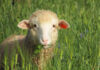
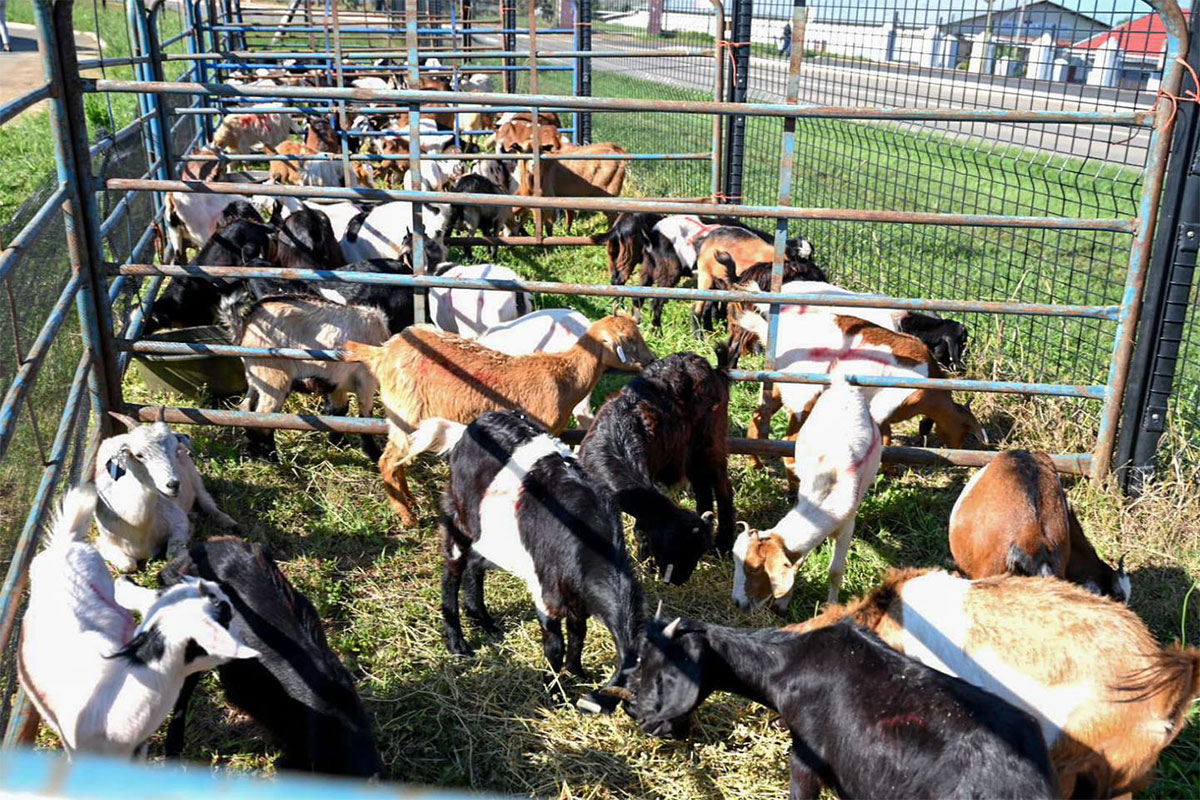
KaMadlopha-Mthethwa said one of the key interventions is the Indigenous Goat Programme launched in the Harry Gwala District Municipality in March.
She explained that the programme is aimed at strengthening the genetic quality of female communal farmers’ livestock, enhancing women’s participation in livestock production, and creating sustainable income opportunities in rural communities.
“As part of the programme, six female farmers were each supported with 15 [ewes] and one [buck] to enhance breeding capacity and improve the productivity of their farming operations,” she said.
“By providing indigenous goats, we are giving women farmers livestock that is naturally suited to our local conditions. This makes the programme practical, sustainable, and life-changing.
“Through improved breeding, these women will grow their herds, create income, and actively participate in local markets.”
A total of 96 goats were distributed to female farmers from the Johannes Phumani Phungula, Dr Nkosazana Dlamini Zuma, and Greater Kokstad local municipalities.
Food security programme
In addition, KaMadlopha-Mthethwa said the department’s Food Security Programme continues to play a central role in helping women and young people become smallholder farmers.
“A budget of R16,5 million has been allocated in the current financial year to support vulnerable groups, including 59 women-owned projects and 39 youth-owned initiatives across various agricultural interventions,” she explained.
The department is also strengthening its focus on inclusivity by supporting 10 projects for people with disabilities and fostering strategic partnerships to ensure assistance is tailored to the specific needs of each group.
Female entrepreneur awards
KaMadlopha-Mthethwa said the department recognised excellence in the sector by hosting the inaugural Phezukomkhono Female Entrepreneur Awards in Durban in February, celebrating women across the agricultural value chain.
According to the MEC, the awards, which carried total prize money of R1,6 million, included categories such as Best Female Worker, Best Subsistence Producer, and Best Entrepreneur in Agronomy Processing.
The awards acknowledged the efforts and contributions of women of all ages, including senior citizens and those with disabilities, in the agriculture sector, particularly in areas such as food security, job creation, economic growth, and poverty alleviation.
“The awards aimed to recognise the invaluable contributions of women in the agricultural value chain, rewarding them for their crucial roles in sustaining their families and driving the province’s economic growth,” KaMadlopha-Mthethwa said.
She added that she believes programmes aimed at empowering women help to bridge the gender gap in food security and highlight the need to make land available to them for cultivation.
“Firstly, the awards recognised women’s efforts in agriculture in KwaZulu-Natal but were also an intervention to address the past imbalances enforced by the legacy of racial inequality, which continues to impact land tenure access and opportunities for rural development, particularly for women.
“Although gradual progress has been made in land redistribution and acquisition, with the [Agriculture Department] having transferred 5,3 million hectares of land since 1994 through the Pro-Active Land Acquisition Strategy, the majority of land ownership and transfers remain largely in the hands of men,” she said, calling on traditional leaders to release land for rural women to expand agricultural activity.
She added that her department’s initiatives aligned with the International Year of the Woman, which will continue throughout the year, are aimed at ensuring that women farmers are not only recognised but fully supported, too.