
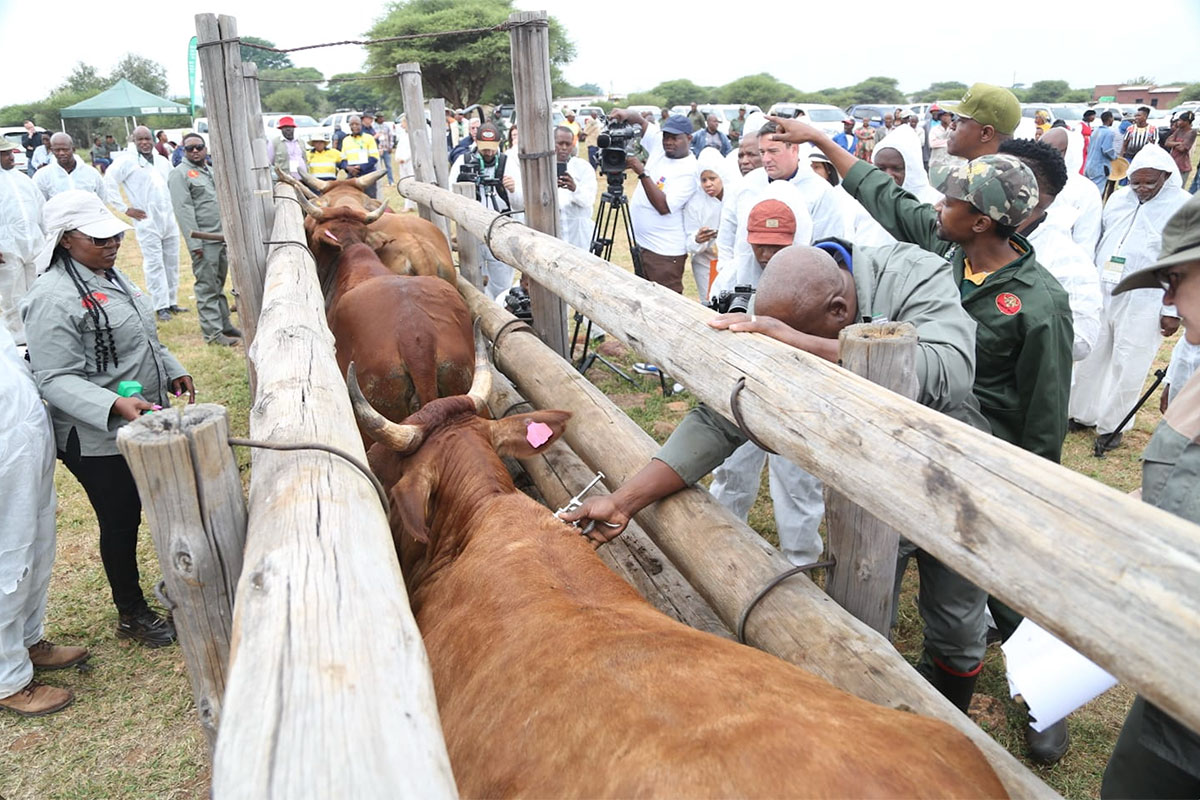
The farmers, who spoke to Farmer’s Weekly on condition of anonymity, said their cattle were vaccinated against FMD in February by Department of Agriculture veterinary technicians using the Bioaftogen vaccine. The vaccine protocol requires a booster shot approximately six months after the initial dose to ensure adequate immunity.
However, they were informed only four weeks later that their herds would be vaccinated again the following day ─ this time with Aftodoll, a Dollvet vaccine imported from Türkiye.
State veterinarian Dr Farah Abdool Khader confirmed that the early revaccination did take place, stating that it was done on instruction from the ministerial task team. When asked why this was done, and whether similar shortened intervals were applied elsewhere, she declined to comment, citing restrictions on the disclosure of such information.
Cold chain breach adds new dimension
Separately, a recent Industry Coordination Council (ICC) report has confirmed a breach in the vaccine cold chain affecting Bioaftogen FMD vaccines.
A copy of the ICC industry update dated 17 April 2026, which Farmer’s Weekly has, reveals that the council became aware of a vaccine cold chain temperature exposure. This prompted them to engage with the relevant ministerial task force subcommittee.
Industry sources indicated that the incident around the “compromised” batch occurred on 5 April, weeks after the Vergenoeg farmers had already received their initial vaccinations in February.
The subcommittee indicated that the affected vaccine batch remained “in good standing” and was still considered fit for use, but the ICC noted that it would seek further clarity on how the exposure occurred and what safeguards could be implemented to prevent a recurrence.
Organised agriculture has nevertheless raised concerns about vaccine handling and rollout. Theo de Jager, executive chair of the Southern African Agri Initiative (Saai), said such incidents add to growing unease among farmers regarding the management of the vaccination programme.
Understanding vaccine performance
While questions persist regarding the effectiveness of vaccinations, veterinary experts caution that vaccine performance is influenced by a wide range of factors.
According to Vaccines and Immunisation of Farm Animals, authored by veterinarians Dr Jan du Preez and Dr Faffa Malan, no vaccine offers 100% protection across an entire herd.
Failures in immunisation can occur due to:
- Administration errors, such as incorrect dosing or vaccinating animals at an inappropriate age;
- Storage issues, including exposure to heat or improper mixing;
- Incorrect timing or failure to follow booster schedules;
- Animal-related factors, such as poor nutrition, disease, stress, or parasite burdens.
Vaccines can also lose effectiveness if handling protocols are not strictly followed.
Key questions remain
It remains unclear whether the early revaccination in Vergenoeg was a targeted intervention or part of a broader operational decision.
The Vergenoeg farmers and Saai remain concerned that these deviations, combined with the confirmed cold chain breach, could undermine confidence in the vaccination programme. This is particularly concerning given the ongoing efforts to control FMD and regain market access.
At the time of publication, the Department of Agriculture had not provided further clarity on the scope of the early revaccination campaign, the extent of the cold chain breach, or the scientific basis for the adjusted vaccination timing.