The sector recorded a trade surplus of US$1,55 billion (about R26 billion) for the first quarter (Q1) of 2026, a 16,1% increase on the corresponding period last year and the strongest first-quarter result on record.
Agricultural exports were largely flat at US$3,3 billion (R55,5 billion), while imports declined by 10,6% to US$1,76 billion (R29,6 billion), resulting in the improved trade balance.
According to AgriSA’s Agriculture Quarterly Trade Report for Q1 2026, the surplus was achieved largely through lower import values, driven by declining international commodity prices for products such as palm oil, rice, coffee, and frozen fish, rather than through increased export earnings.
“The results confirm the resilience and competitiveness of South African agriculture in a complex global trading environment. While the record trade surplus is positive, it also highlights the importance of strengthening export growth, safeguarding market access, and resolving biosecurity challenges such as FMD,” AgriSA CEO Johann Kotzé told Farmer’s Weekly.
Horticulture remains the backbone of exports
The report highlights the growing importance of South Africa’s horticulture industry, which accounted for 55% of all agricultural exports in Q1, the highest share recorded for a first quarter.
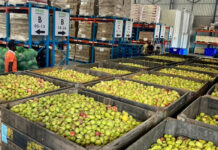
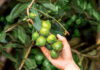
Horticultural exports increased by 9,3% year-on-year (y/y) to US$1,82 billion (R30,6 billion), supported by strong performances from grapes, apples, pears, wine, citrus, berries, and macadamias.
The industry generated a trade surplus of US$1,66 billion (R27,9 billion), exceeding the country’s total agricultural trade surplus. Without horticulture’s contribution, South African agriculture would have recorded a trade deficit in Q1.
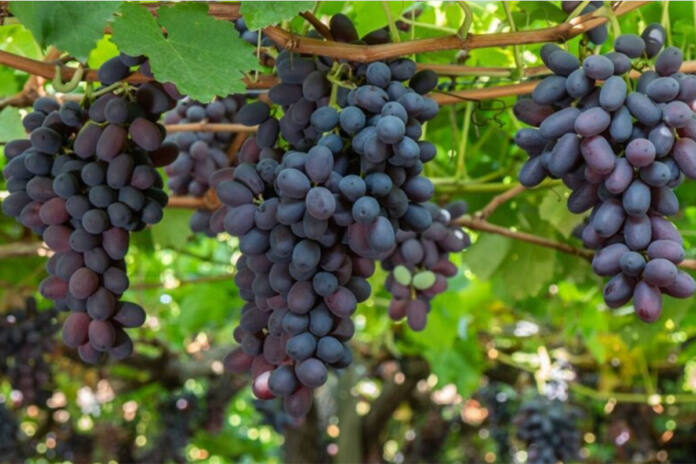
Grapes remained the country’s largest agricultural export category, generating US$783 million (R13,1 billion) in export earnings. Other standout performers included citrus exports, up 65%; berries, up 48,3%; and tree nuts, up 45%.
Wine exports also recovered strongly, increasing 16,5% y/y.
The report noted that South Africa’s position as a counter-seasonal supplier to Northern Hemisphere markets continues to underpin the sector’s competitiveness, especially in European markets.
Livestock exports still under pressure
While horticulture strengthened its contribution, livestock exports continued to face significant headwinds.
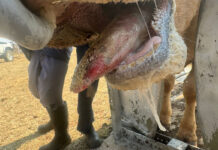
Livestock exports declined by 12,9% in Q1, largely due to foot-and-mouth disease-related market restrictions.
Exports of fresh beef fell by 56,6%, while frozen beef exports declined by 26,4%.
The impact was particularly severe in Middle Eastern markets, where export volumes contracted by 50% to 95%, depending on the destination.
AgriSA estimated that ongoing foot-and-mouth disease-related restrictions are costing the industry more than US$81 million (R1,3 billion) a year in lost export revenue.
The report warned that prolonged delays in restoring market access could lead to permanent losses, as competing exporters strengthen their presence in affected markets.
US exports decline sharply
Another concern highlighted in the report is the sharp decline in exports to the US, which fell by 39,9% y/y in Q1, causing the country to drop from South Africa’s seventh-largest agricultural export destination to 11th position.
The report suggested that a combination of factors, including uncertainty over the future of the African Growth and Opportunity Act, inventory adjustments, and changing supply chain dynamics, may have contributed to the decline.
At the same time, exports to several alternative markets increased significantly. Russia recorded growth of 42,8%, while exports to the UK increased by 30,2% and those to the Netherlands by 20,4%.
Growing concentration risk
Despite the positive overall trade figures, AgriSA cautioned that South Africa’s export basket is becoming increasingly concentrated.
The Netherlands, UK, and Zimbabwe together accounted for nearly 39% of all agricultural exports in Q1.
The report also pointed to growing dependence on horticultural exports and European gateway markets, particularly Rotterdam in the Netherlands and Antwerp in Belgium, as a potential structural risk.
Any disruptions in logistics, market access, phytosanitary requirements or adverse weather conditions could therefore have a disproportionate impact on export performance.
Focus must shift to growth
Looking ahead, AgriSA said sustaining future trade growth will require more than favourable import dynamics.
While lower import costs helped boost the trade surplus in Q1, the report noted that export growth has effectively plateaued over the past year.
Maintaining South Africa’s export momentum will depend on expanding market access, diversifying export destinations, addressing animal health challenges, and improving logistics efficiency.
“Long-term success will depend on our ability to diversify export destinations, maintain trusted trading relationships, and create an enabling environment for producers to remain globally competitive,” Kotzé said.