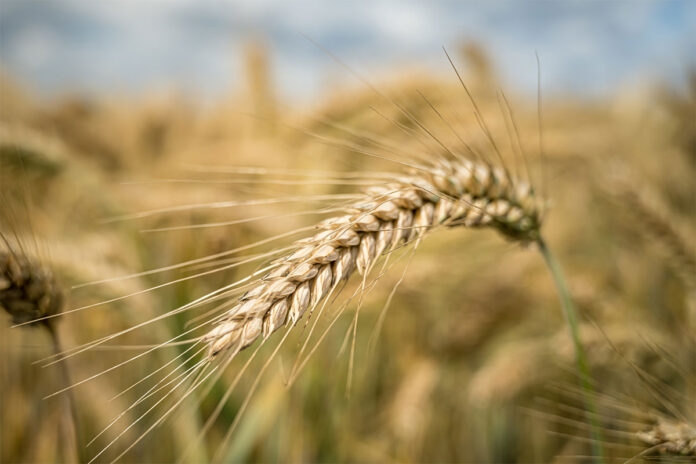
Winter crop production is forecast to increase by 2% year-on-year to 2,67 million tons, but wheat output is expected to decline by 5% to 1,81 million tons. The contrasting outlook highlights the challenges facing wheat producers, while stronger production prospects for canola, barley and oats are expected to support the overall harvest.
Speaking to Farmer’s Weekly, Thabile Nkunjana, senior economist in the Trade Research Unit of the National Agricultural Marketing Council, said the season had presented significant challenges, particularly for wheat producers.
“The increase in overall winter crop production masks the pressure facing farmers, particularly wheat producers, who have had to contend with higher fuel and fertiliser prices and dry conditions in the Western Cape,” Nkunjana said.
The Western Cape is South Africa’s leading wheat-producing province, making its weather conditions particularly important for national production. The expected decline in wheat output reflects a reduction in planted area and the prospect of lower yields in areas affected by dry weather.
Nkunjana said the combination of higher production costs and unfavourable growing conditions had placed additional pressure on farmers’ finances, complicating decisions about production for the season.
Wandile Sihlobo, chief economist at Agbiz, similarly mentioned in a press release, that the overall production increase should be considered against the challenges experienced by farmers.
“South Africa’s 2026/27 winter crop production is estimated at 2,67 million tons, up 2% year-on-year. While this figure is optimistic, it overshadows sector challenges that have persisted since the start of the season,” Sihlobo said.
He attributed some of the pressure to rising production costs following geopolitical tensions.
“The higher input costs weighed on finances as the season began a few months after the US-Iran war, with fertiliser and fuel prices surging,” he said.
Alternative crops support production
Despite the expected decline in wheat production, other winter crops are forecast to record higher harvests.
Barley production is estimated to increase by 20% year-on-year to 414 640t, while canola production is also expected to rise by 20% to 377 770t. Oat production is projected to increase by 28% to 55 850t, while sweet lupin production is expected to grow by 1% to 18 000t.
Nkunjana said the differing production prospects reflected the varying pressures and opportunities across the winter crop sector. Farmers’ planting decisions are influenced by production costs, expected yields, market prices and climatic conditions.
The expansion in planted area has been an important driver of the stronger production estimates for alternative crops. However, the figures alone do not establish whether farmers are switching from wheat to canola or barley because of better expected returns.
Sihlobo said the expansion in planted area was the principal reason for the higher harvest prospects.
“The main driver of the higher harvest prospects for these winter crops is the expansion in area planted,” he said.
The total area planted to winter crops reached 851 510ha, up 1% from the 2025/26 season. Wheat accounts for approximately 57% of the planted area, followed by canola at 23%.
Higher wheat imports expose South Africa to global markets
South Africa is expected to increase wheat imports to approximately two million tons in the 2026/27 season, compared with 1,9 million tons in the previous season.
Nkunjana said the lower domestic harvest would increase the importance of international markets in meeting local wheat demand. Import costs will be influenced by international prices, shipping expenses and exchange-rate movements.
The International Grains Council estimated global wheat production at 820 million tons in September 2026, down 3% from the previous season but above the long-term average of approximately 790 million tons.
Sihlobo said the global market was expected to remain sufficiently supplied.
“Fortunately, the imports may not be a major challenge as the global wheat market is well supplied,” he said.
Nkunjana said disruptions in supply chains globally due to geopolitics, and demand across the world as countries buy more wheat in anticipation of the projected El Niño present the main risks for international prices.
Sihlobo identified shipping disruptions as the main near-term risk to international prices.
“The only near-term challenge, and the major driver of price increases, is disruption to shipping infrastructure in Ukraine because of the Russia-Ukraine war,” he said.