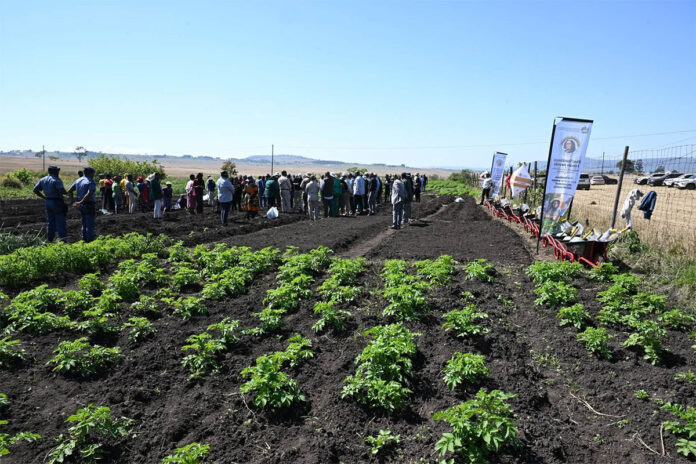
KwaZulu-Natal’s 2026/27 Multi-Planting Season programme was launched on 3 October in KwaGuqu in the Dlebe area of Ulundi by KwaZulu-Natal Premier Thamsanqa Ntuli and MEC for Agriculture and Rural Development Thembeni kaMadlopha-Mthethwa.
The launch highlighted the risks posed by El Niño, including higher temperatures, below-normal rainfall, reduced grazing availability, and heat stress in livestock.
Speaking at the launch, Ntuli said the annual programme led by the KwaZulu-Natal Department of Agriculture and Rural Development (KZNDARD) aimed to unlock underutilised agricultural land, strengthen food security, support smallholder farmers across the province and help them transition to commercial production.
This year’s programme includes mechanisation, high-yield production inputs, extension services, new irrigated sites, and a provincial youth-in-agriculture intake.
Preparing for El Niño
Addressing farmers, KaMadlopha-Mthethwa warned that the coming season would be challenging because of the expected El Niño conditions.
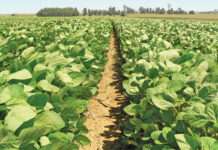
She said the province was expecting below-normal rainfall and above-normal temperatures, which could reduce yields of rain-fed staple crops such as maize, dry beans, and soya beans.
“The dry conditions could also weaken veld and grazing, increase pressure on water supplies and feed costs, and raise the risk of veld fires, pests, and livestock diseases,” KaMadlopha-Mthethwa added.
According to her, high-risk areas included Amajuba, Zululand, uMkhanyakude, uThukela, uMzinyathi, uMgungundlovu, and parts of Harry Gwala. These areas produce large volumes of staple crops such as maize, dry beans, and soya beans, much of which is rain-fed and therefore vulnerable to inconsistent early-summer rainfall.
KaMadlopha-Mthethwa Prolonged warned that dry conditions could also weaken grazing veld, reduce water availability for livestock and force farmers to spend more on supplementary feed and that hot, dry weather may increase the risk of veld fires, pests and animal diseases.
She said farmers would receive early-warning information to help them make informed decisions on planting, livestock management, and other measures to mitigate the effects of adverse weather.
She also stressed that agricultural decisions must be based on evidence.
“Farming must be guided by science, not guesswork. Soil samples have already been taken from the 50ha earmarked for planting in the area [under the programme]. This comprises 30ha in KwaGuqu for 34 beneficiaries and 20ha in eMkhiweni for 32 beneficiaries.”
She said fertiliser would only be distributed once the soil results had been received, ensuring that the appropriate inputs were applied based to soil requirements.
Unlocking productive land
KaMadlopha-Mthethwa also said that the KZNDARD had already prepared 35ha using seven tractors, while mechanisation capacity was being strengthened through 57 Expanded Public Works Programme tractor drivers, 25 of whom were currently undergoing training.
She added that the Dlebe area falls within the Dry Lowveld Tall Grassveld vegetation type, with Hutton soils that are fertile and well drained, creating favourable conditions for crop production.
According to her, agricultural scientists estimate that, under optimal conditions, farmers could harvest up to 4,7t of maize/ha under dryland conditions.
Ntuli described the agricultural potential of the area as significant, calling the Kwadidwayini Cooperative’s land a “promised land” for agriculture in Zululand. The delegation visited the cooperative, which is led by 31 women, as part of the launch day’s events.
He said the province remained committed to using agriculture to build sustainable livelihoods, improve productivity, and create economic opportunities in rural communities.
Supporting small-scale farmers
The delegation also visited the 2ha Vukuzakhe Cooperative at KwaGuqu, where 20 women grow onions, cabbages, potatoes, and tomatoes.
KaMadlopha-Mthethwa pledged that the KZNDARD would fence the gardens, provide irrigation and production inputs such as seed and fertiliser, and help the cooperative access markets.
Subsequently, Ntuli called for extension services to be brought closer to farming projects, adding the that the Vukuzakhe Cooperative’s project should be expanded to 5ha.
He said the support formed part of the provincial drive to bring small-scale farmers into more productive and commercial agricultural activity.
Boosting livestock health
Livestock farmers also benefitted from the launch, with a new dip tank officially handed over at KwaNqindi in Dlebe.
Farmers welcomed the facility, saying the long distances they previously had to travel to the nearest dip tank made it difficult to dip their cattle regularly.
Local farmer Sizwe Mbatha said the community had raised concerns about the distance.
KaMadlopha-Mthethwa said the new facility would bring animal health services closer to farming communities and help prevent livestock diseases.