
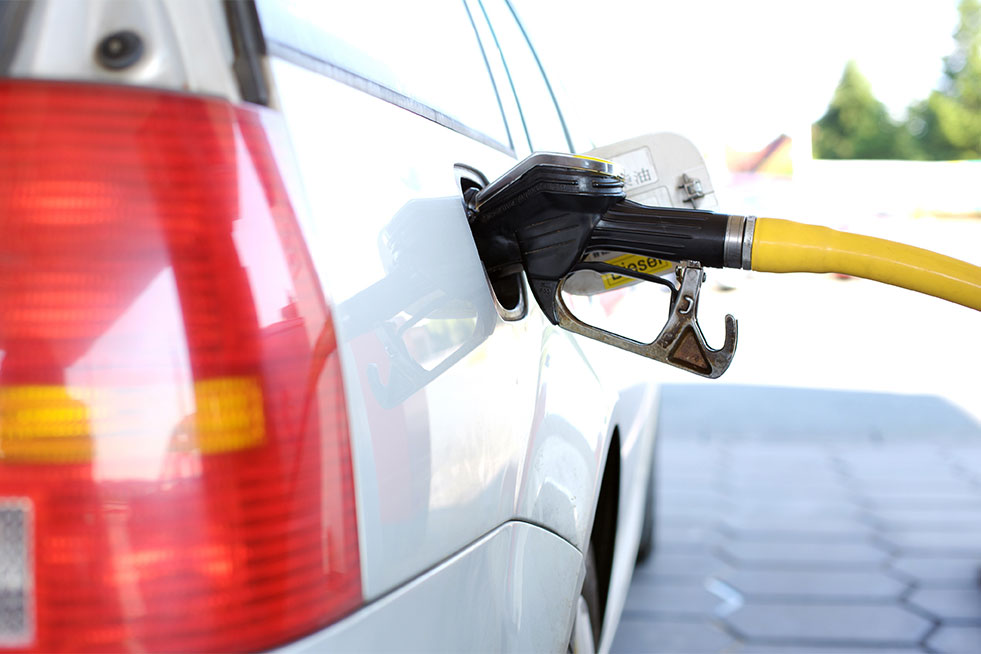
A temporary R3/ℓ cut in the general fuel levy comes into effect from 1 April, as government moves to shield consumers and the economy from sharp fuel price hikes linked to escalating conflict in the Middle East.
The intervention, announced in a joint statement by Finance Minister Enoch Godongwana and Mineral and Petroleum Resources Minister Gwede Mantashe, will run until 5 May and forms part of a broader short-term relief package.
The reduction will see the general fuel levy on petrol drop from R4,10/ℓ to R1,10/ℓ, and on diesel from R3,93/ℓ to R0,93/ℓ for the duration of the measure.
Government said the move was aimed at cushioning consumers against what is expected to be a historically large fuel price increase in April, based on data from the Central Energy Fund.
The levy relief is expected to cost the fiscus about R6 billion in foregone revenue over the one-month period, although Treasury indicated that mechanisms would be implemented to recover the shortfall within the existing fiscal framework.
“The Minister of Finance sought to balance the socio-economic impact on the country and welfare impact on South African consumers, specifically regarding food and transport inflation, with the fiscal objectives announced in the February Budget,” the statement noted.
Relief comes amid mounting agricultural pressure
The announcement follows mounting concern from the agriculture sector over rising input costs, particularly diesel, which accounts for a significant share of production expenses.
Grain SA recently warned that fuel price increases could exceed R8/ℓ in the next adjustment cycle, placing severe strain on producers already facing elevated fertiliser costs linked to global energy markets.
Diesel typically makes up between 13% and 15% of grain and oilseed producers’ variable costs, while fertiliser, much of it imported, can account for up to 50%, amplifying the impact of energy-driven price shocks.
The organisation had called for temporary tax or levy relief to soften the blow, alongside coordinated action across the value chain to stabilise input costs.
Supply assurances and next steps
Government also moved to calm fears of fuel shortages, stating that national supply remains sufficient and that reported disruptions are largely due to localised logistical challenges and panic buying.
“Motorists and businesses are encouraged to purchase fuel responsibly and avoid unnecessary stockpiling,” the statement said.
The levy reduction forms the first phase of the response, with a second phase expected to include additional support measures for households and key sectors, as well as a review of fuel pricing over the medium term.
While the immediate intervention offers short-term relief, its temporary nature underscores the broader vulnerability of South Africa’s fuel-dependent sectors, particularly agriculture, to global geopolitical shocks and energy market volatility.