The high rainfall in the growing season has resulted in excellent maize crops, but the grazing fields are very muddy. Mud can lead to lameness, as it causes softening of hooves and skin infections.
In Europe, where muddy grazing fields are the rule, grooms routinely wash down horses’ legs and clean out hooves every afternoon after horses come back to their stables.
These stables are cleaned weekly and a fresh layer of dry straw or shavings are layered on top daily. This is also the practice in parts of KwaZulu-Natal where annual rainfall levels are high.
High tea, anyone?
In the afternoon, muddy horses will trot into these prepared stables. Traditionally, this would be before owners and riders in the UK would sit down to high tea with scones in the living room.
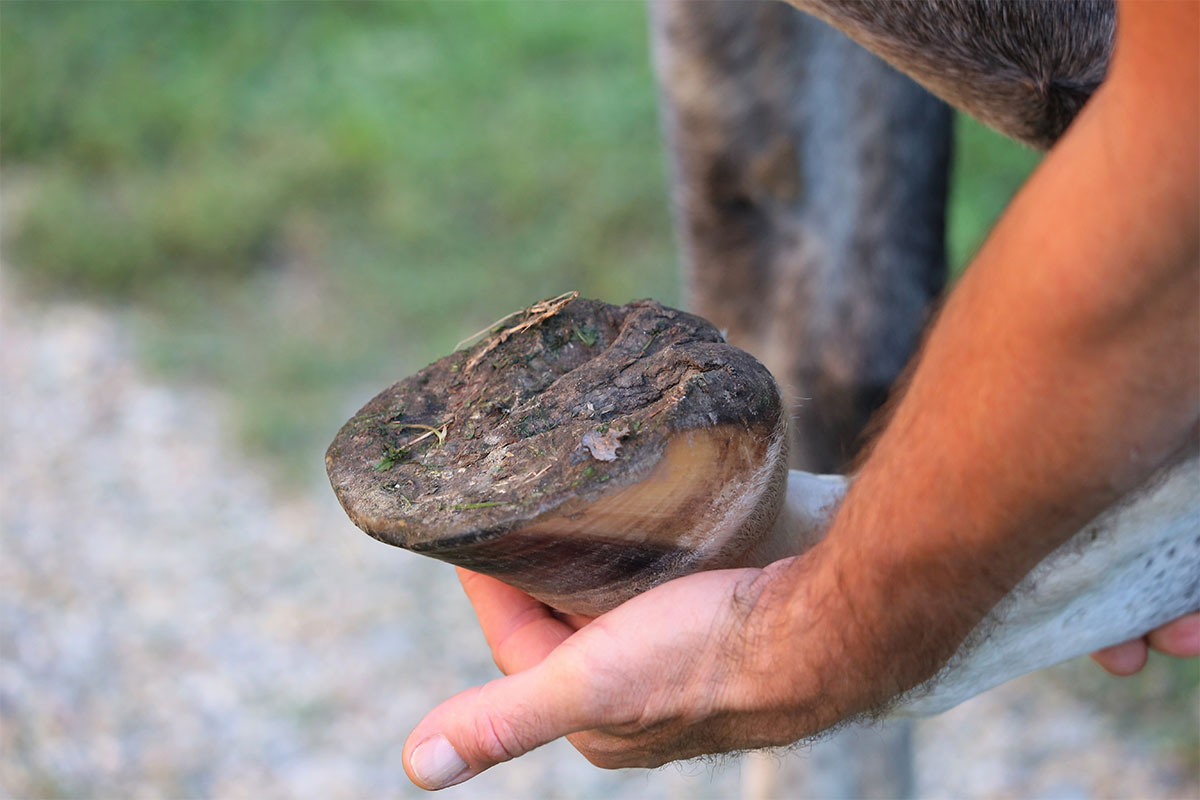
Grooms have a different schedule. They will have a late lunch and warm tea after cleaning the stables in the morning. When the horses are in, grooms will go from stable to stable taking horses out one by one to remove the mud from each hoof with a brush and hoofpick; then a dampened rag or sponge. Legs and hooves are dried well with a rough stable towel or a hot-air blower.
In South Africa, hosepipes are used in racing stables and mud is removed from each hoof using pressurised spray. Sometimes the legs are routinely dried well with hot air.
Mud fever:signs and solutions
Mud fever is one of the most important causes of lameness in sport horses during the rainy season. Common signs of mud fever include crusty scabs and reddened, swollen areas on the heels of the hooves, with a greenish or yellow-white pus between the heels.
In severe cases, abscesses can develop where the hoof meets the skin. Your vet should be called to lance these abscesses and will also probably inject a sulfonamide or antibiotic.
You can use a 10% Epsom salt solution (2 teaspoons per 100ml water) to soak the hooves. If the abscess is a bit higher up, you can soak cotton wool in the solution, then put this over the abscess, holding it in place with a stable bandage for about 30 minutes and repeating two to three times a day until the abscess starts healing.
Epsom salt is a highly concentrated solution and will ‘suck’ the pus out of the infected tissues. After being treated with the solution, affected tissues should be gently washed off with warm water to remove the pus and Epsom salt residues.
Prevention and treatment include the use of ointments containing acriflavine and glycerine, or Betadine, on the affected skin, and spraying the underside of hooves with iodine or gentian violet spray.
Surgical swabs can be put on top of the layer of ointment on the pasterns and fetlocks, held in place by a soft bandage. Stable bandages are used to keep these in place.
Horses will be exercised by walking on dry surfaces, or lunged in a well-drained sand arena inside the building, to keep them fit until their legs heal.
Foot rot
It’s not only the skin on the pasterns and fetlocks that is harmed by wet weather and mud. These conditions can also soften the hooves of horses grazing in muddy pastures. This can lead to foot rot and cracked heels. Thrush is the technical term for fungal and bacterial infections that occur in the grooves under a horse’s hooves.
It is prevented by regular use of a hoofpick during grooming to remove manure and mud when horses come in at night. If hooves are very muddy, mud can be washed off using a hosepipe before grooming.
Gentian violet or Betadine hoof spray should be used daily after hoof cleaning to disinfect this area before horses go out to graze in muddy pastures.
Dr Mac is an academic, a practising equine veterinarian and a stud owner.