
Caxton Magazines

Caxton Magazines publishes 12 of the country's most loved magazines: BONA, Country Life, Essentials, Farmer’s Weekly, Food & Home Entertaining, Garden and Home, Living and Loving, people, rooi rose, Vrouekeur, woman&home and Your Family.

NWK could face R50 million fine
A Supreme Court of Appeal ruling that found Lichtenburg agricultural company NWK guilty of simulating a loan agreement with First National Bank (FNB) to increase its interest deduction for tax purposes has come as a surprise for NWK's top brass.<
Pioneer’s R12/share offer ‘ridiculous’
If farmers and others holding 35% of KWV put on a united front, they can ward off a possible buy out of the 92-year-old company by Pioneer Foods. Pioneer needs 75% of shareholders to vote in favour of the deal.
Rudles farming enterprise: A case study in cooperation
The Limpopo agriculture department brought in two small-scale chicken farmers to take over a failed land reform project. Although the farmers had only met a few times before, they work very well together, producing 42 000 chickens every cycle. Peter Mashala visited their farm outside Mokopane.

A house of straw?
An avid Farmer's Weekly reader has the opportunity to build a straw bale, self-sufficient, off-the-grid home in the Magaliesburg area. Jonno helps her out.
When the sun goes down
When your vehicle gets stuck in a swamp at sunset in game-rich country full of nocturnal predators, you better pray your torch doesn't let you down. Abre' J Steyn discovers three amazing, and reliable, torches.
Living with drought
Roelof Bezuidenhout, a Farmer's Weekly correspondent who farms near Steytlerville, is experiencing drought first-hand. He believes government will have to reconsider their drought aid if they want to keep farmers on the land, ensure food security and prevent permanent damage to natural resources.
Concentrated flavour
In the real world, where time is long and wages are low, sun-dried tomatoes are a cheerful way to deal with a tomato glut.
A small-scale success in Africa
Agricultural firm Agriterra is building up a considerable presence in Mozambique by sourcing and milling maize from 350 000 small-scale growers. This model has proved itself, and the company is growing steadily. Euan Kay, executive director of Agriterra, spoke to Robyn Joubert.
Breeding them slow & steady
Not all races are won by the sprinters, which can be knocked out of the running by adverse weather conditions.
Looking good, if not rosy
The world food outlook for the next decade is positive. South African farmers will be able to share in this, provided they're allowed and encouraged to do so.
Winning with sericea
The issues preventing more widespread acceptance of sericea among farmers have been solved - so get planting.
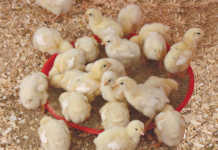
Chicken care: preventing diseases
This week we discuss leg and skin conditions in chickens and how to prevent them.
All-year citrus for the customer
The Van der Merwes of ALG Estates recently received the National Agricultural Writers 2010 Farmer of the Year Award. After the deregulation of agriculture, brothers All and Gerrit started marketing and exporting their own fruit, aiming to control the entire value and distribution chain from tree to customer. Gerrit Jr recently joined them. Denene Erasmus reports.
Making markets work for you
For years I've been carrying on about the importance of using a fresh-produce commission market properly if you want it to work for you, so let's take a look at how you can get the most out of one.
Don’t get caught out with downy mildew
Downy mildew is less of A problem in cabbage than it used to be. With resistant varieties available, susceptible varieties don't have to be planted in vulnerable areas any more.
How to mulch
This week we look at materials to use as organic mulch and the advantages and disadvantages of each.
Rudles farming enterprise: A case study in cooperation
The Limpopo agriculture department brought in two small-scale chicken farmers to take over a failed land reform project.
Letelle – The perfect-balance sheep
Locally bred Letelle sheep are known to be economically balanced, hardy animals that are well adapted to South Africa's sometimes harsh environment.
Fighting back!
Tired of being terrorised by gangs and having to lock themselves in their homes before sunset, the residents of the small Eastern Cape town of Indwe came up with a home-grown solution to crime that works.
Issue date: 17 December 2010
Issue date: 17 December 2010
False armyworm responsible for up to 50% losses of the barley harvest
The insect responsible for the loss of up to 50% of barley harvests in the Vaalharts irrigation scheme in the Northern Cape has been identified as the false armyworm (Leucania loreyi).