
Latest articles
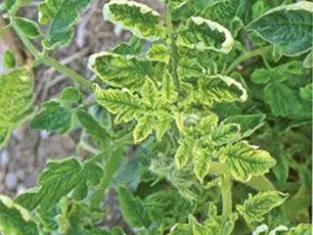
Dealing with tomato curly stunt virus
As if the challenges of growing tomatoes aren’t enough, tomato farmers seem to be constantly subjected to new pests and diseases.

About agents
We spoke about the fiduciary relationship between producer and market agent in the previous issue and focused on the producer. This week we turn the spotlight on the market agent.

Growing tomatoes in a bacterial wilt area
Bacterial wilt can be a devastating disease in tomatoes. I’ve seen whole crops destroyed, and if you’re farming in a warm area where the disease is prevalent, it’s worth knowing how to eliminate or reduce potential damage.

Be pro-active where early blight is a threat
Early blight (Alternaria solani) is a fungal disease that every tomato grower should know about. It’s sometimes referred to as ‘target spot’ as it forms concentric rings reminiscent of a ‘bulls-eye’.
Make it work
Last week I wrote about the all-important fiduciary relationship between producer and market agent. Now I’d like to offer a few suggestions to both parties as to how to make it work.

Watch out for powdery mildew
There are now two species of powdery mildew which attack tomatoes in South Africa. The most common is Leveillula taurica. The spores don’t need water to germinate and it is therefore a problem in greenhouses and in lands in dry areas or seasons.
Fiduciary responsibilty
The fiduciary responsibility carried by market agents remains the most crucial requirement of their relationship with producers.

Physiological disorders of tomatoes
An unmarketable fruit is pure loss, having cost the same to produce as a perfect fruit. And there are a number of disorders which can affect the percentage of marketable fruit gained from a tomato crop, or which can downgrade the fruit.
Is this wave unstoppable?
A wave of rejuvenation and new commitment is sweeping all before it as role players in the sector take on the most serious challenges currently faced by South Africa’s fresh produce markets.

These pests will creep into your crop unseen
Whiteflies and mites are likely to attack your tomato crop unnoticed if you don’t keep a wary eye open for them.
Saddened & annoyed
Recently, I wrote about one of our fresh produce markets in a way some readers might have found a bit scathing.
Beware the thrips threat!
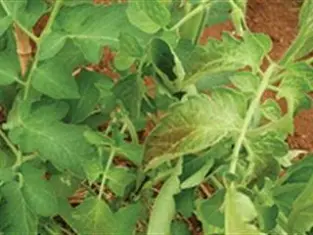
The western flower thrips (Frankliniella occidentalis) was accidentally introduced into this country some years ago, with severe consequences for many crops.
It’s not too late
Recently, I paid a two-day visit to one of our medium-size markets, and want to try and describe the scene that greets anybody who drives through the main entrance.

Growing lettuce for the home garden – part 2
This issue we look at the different kinds of lettuce available and which are best for your home garden.

Controlling the African bollworm
As a tomato grower you always need to be on the lookout for the African bollworm (Helicoverpa armigera), no matter the season.
Market agents – will they never learn?
Recently a senior market agent was complaining to me about other market agents on the market bad-mouthing his sales staff when talking to producers. As he spoke, my hackles rose.
Doing it ourselves
Many of us are quick to find fault in the business sector where we operate, but we’re slow to implement changes.
Spray your tomatoes effectively
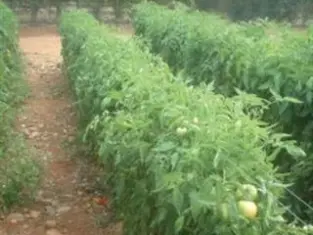
Everyone who knows anything about tomatoes knows that spraying and disease control are extremely important. Tomatoes have a reputation for being especially susceptible to a host of pests and diseases.
Still too high!
Wastage of fresh fruit and vegetables is a costly part of the business. When the products you’re handling are highly perishable, then the best efforts to preserve them can only have limited success

Fertilising tomatoes after planting
When it comes to fertilising tomatoes after planting, much will depend on what fertiliser you used in the pre-planting stages and the condition of the soil.