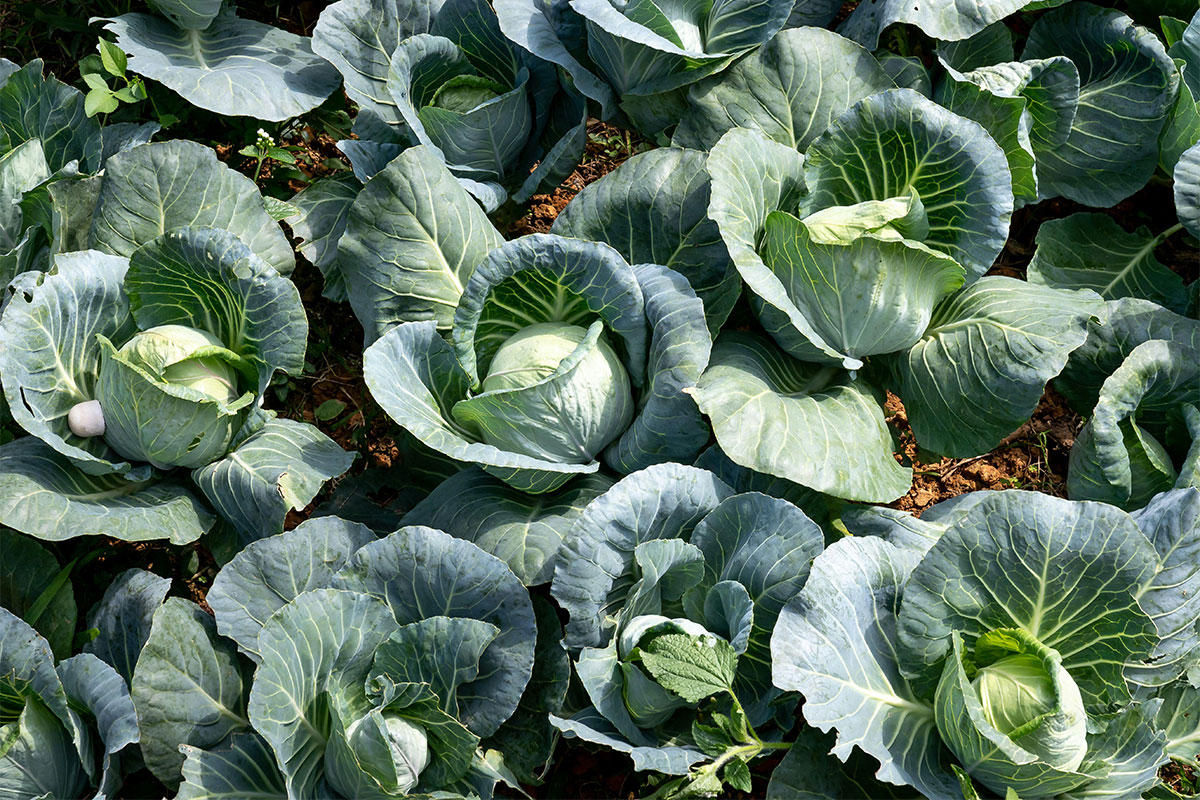
Cabbages are a popular and nutritious crop that can be successfully grown by small- scale farmers in South Africa.
This vegetable is widely consumed across the country, and it offers consumers value for money. Therefore, demand for cabbages at local markets is high, and this is always important when considering starting a vegetable-growing business.
Cabbage is a cool-season crop that prefers a soil pH of between 6 and 7, and thrives in temperate climates with moderate temperatures and adequate rainfall. Daily minimum temperatures of 4°C to 5°C and maximum temperatures of between 20° and 25° are ideal.
There are many local biomes where cabbages can be planted, but some of the best areas for production are:
- The Western Cape, particularly the areas around Cape Town, Stellenbosch, and Paarl, which have a Mediterranean climate with mild winters and cool summers;
- The Eastern Cape, particularly the areas around Makhanda and Gqeberha, which have a temperate climate with mild winters and warm summers;
- The high-lying areas of the Free State and KwaZulu-Natal, which have a cooler climate with cold winters and mild summers.
Fertilisation process
It is important to know which cabbage varieties to plant in your area and which do better at different times of the year. Among other widely planted varieties, some popular ones are Conquistador, Drumhead, and Golden Acre.
Try to ascertain which pest and fungal issues are prevalent in your area and use a variety that is specifically hardy in respect of these. Cabbages are heavy feeders that require adequate nutrients to grow well, and getting to properly understand these needs gives the producer the competitive edge.
Before planting, a fertiliser like 2:3:4 or 2:3:2 can be added to well-worked and loosened soil that’s about 35cm to 60cm deep. Different experts vary in their opinions on the required soil depth, but we’ve had success at 40cm.
Approximately 800kg to 1 000kg of this fertiliser is recommended per hectare. At the high end of 1 000kg, this will translate to about 100g/m2.
For smallholder farmers without access to ample fertiliser or spreading equipment, and given that about four cabbages are planted per square metre, fertiliser wastage can be reduced by adding about 25g directly into the seedling holes. However, you must ensure it is well incorporated to prevent root burn.
Top dressing with LAN fertiliser should occur at two, four, and six weeks after transplanting seedlings.
At two weeks, apply one teaspoon close to (but not touching the cabbage stem); at four weeks, apply 1,5 teaspoons; and at six weeks, apply two teaspoons per plant (work lightly into the top layer of soil).
Adding compost and kraal manure to planting areas a month or two before planting is also beneficial and builds soil. But these products should be suitably aged or dehydrated before adding them.
Seedlings should be planted into well-draining potting soil that retains moisture but doesn’t become waterlogged.
Try to keep these seedlings moist and at a temperature of about 20°C at all times.
Seedlings are ready to transplant at about five to six weeks or when three to four permanent leaves are present (about 7cm tall). Keeping dates is essential in vegetable growing.
Rainfall and irrigation
Water requirements for cabbages can vary according to climate and soil type, but generally the plants require consistent rather than erratic moisture, especially during the germination and seedling stages. The crop requires about 600mm to 800mm of rainfall or irrigation per growing season.
Plant spacing is important, and recommended spacing is 40cm to 50cm between plants in the row and 60cm to 70cm between rows.
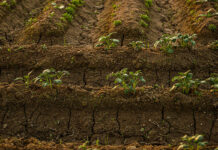
In a high rainfall area, row beds should be raised about 10cm from the surrounding ground level to prevent waterlogging.
Cabbages are prone to insect attacks and fungal infections, and insecticides like Malasol can be applied every seven to 14 days, while copper-based products like Ridomil can be used every 10 to 14 days.
Finally, do not plant cabbages in the same soil every season, and try to plant rotation crops such as onion, carrots, peas, or beetsto prevent soil nutrient depletion.
Shane Brody is involved in an outreach programme aimed at transferring skills
to communal farmers.