
Rico Basson, CEO of South Africa Wine, told Farmer’s Weekly that the industry is actively repositioning itself away from low-priced bulk wine exports towards higher-value premium wines aimed at strengthening South Africa’s international reputation.
“The South African wine industry is increasingly prioritising value growth over volume growth as a central strategic response to ongoing global oversupply pressures,” he explained.
The industry sells about 60% of its wine domestically, while 40% is exported to more than 120 international markets, generating around R10 billion a year in export earnings.
The 2026 marketing season began under difficult global conditions, with slower consumer demand, elevated inventory levels, and continued pricing pressure weighing on profitability.
“A key part of the export strategy is reducing reliance on surplus bulk wine sales that can erode pricing and damage long-term brand positioning internationally,” Basson noted.
He said imports are expected to decline significantly this year to about five million litres, compared with 31 million litres previously imported for use in various products, adding that the industry is exploring alternative export channels for industrial wine products used in vinegar, cocktails, and similar alcoholic beverages.
Premiumisation strategy gains momentum
Premiumisation remains central to the industry’s long-term strategy, with coordinated initiatives being implemented by producers, exporters, and Wines of South Africa (WoSA).
“South Africa is actively working to change global perceptions from ‘cheap and cheerful’ to premium quality, sustainability, authenticity, innovation, traceability, and stronger category identity,” Basson said.
He added that the shift towards higher-value products is already visible in export trends: “While total still wine exports declined by 7,3% in the 12 months to March 2026, packaged wine exports increased by 2,3%, while bulk wine exports declined by 13,4%.”
According to him, the industry is investing heavily in flagship categories such as Chenin Blanc, Pinotage, and Cap Classique, alongside broader premium wine offerings.
Basson added that WoSA is rolling out a major international branding initiative aimed at helping South African wines stand out in competitive export markets.
“The strategy prioritises investment into carefully selected markets with strong long-term premium growth potential and sustainable margins rather than pursuing volume growth indiscriminately.”
Basson stressed that sustainability is becoming an increasingly important competitive differentiator in premium markets, with South Africa promoting ethical production, biodiversity, climate-smart farming, and traceability.
Supply discipline critical for long-term stability
Supply discipline is equally important for stabilising long-term pricing and maintaining market confidence. Excessive discounting and oversupply risk weakening producer margins, undermining pricing, and eroding international brand equity.
“The industry’s 2 600 producers work closely with wineries and brand owners to ensure demand-led production, and when investment in replacement is made, it is done with specific price points and products in mind,” Basson explained.
He added that traditional European markets, particularly the UK, Germany, and the Netherlands, remain critical export destinations, while North America and Asia offer significant long-term premium growth opportunities.
“The strongest medium- to long-term premium growth opportunities are currently seen in the US, Canada, China, Japan, and Sweden.”
Basson also said that African markets such as Kenya, Nigeria, Tanzania, and Uganda are becoming increasingly important under the African Continental Free Trade Area.
In addition, China’s move towards zero tariffs on African imports could create significant future opportunities for South African wine exports.
Challenging season tests producers
Etienne Terblanche, consultation services manager at Vinpro, said the 2026 growing season presented major technical challenges for producers across the country’s wine regions.
“Producers had to deal with both extremely warm and dry and cool and wet conditions in one season,” he explained.
He said favourable conditions during the preceding season supported grape bunch initiation, while sufficient winter chill accumulation and mild spring conditions promoted strong flowering and fruit set.
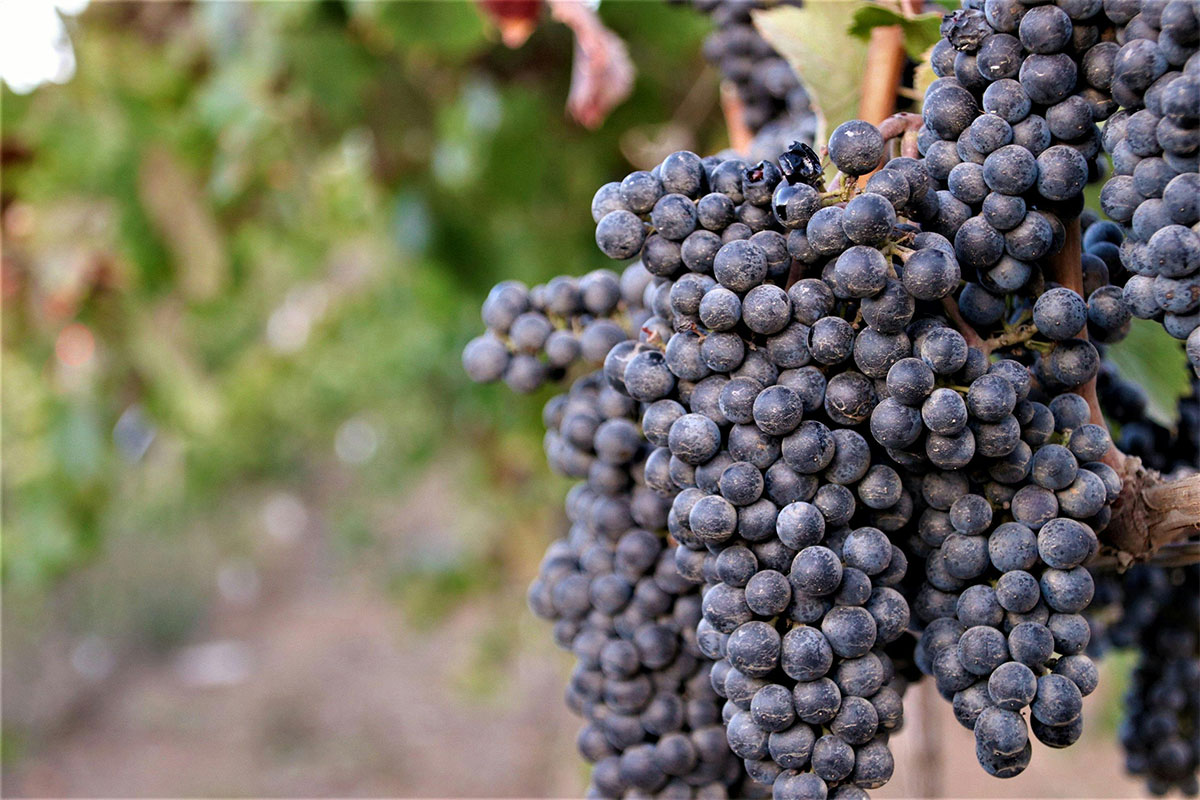
“Dry conditions later in the season limited grape berry size, which had a positive impact on grape composition, especially for the red grape cultivars,” Terblanche said.
He added that producers had to make major adjustments to irrigation management due to exceptionally dry early-season conditions and limited irrigation reserves.
“Unusually high rainfall during harvest required careful canopy management and crop protection in addition to targeted harvesting activities to manage resulting disease pressure.”
Terblanche said regional differences remain important across the wine industry, with production practices adapted to local climatic conditions and production goals.
“The wine industry is built on emphasising and celebrating the differences between wine regions.”
Latest harvest strengthens premium positioning
From a quality perspective, Terblanche said the 2026 vintage shows strong promise despite climatic and logistical pressures.
“Wine grape producers did exceptionally well this year,” he added.
According to him, early white cultivars such as Chardonnay are showing fresh flavour profiles, while later red cultivars like Cabernet Sauvignon display strong concentration and ageing potential.
Basson added that the 2026 harvest aligns strongly with the industry’s long-term positioning strategy.
“The vintage is being described as a resilient, quality-driven harvest, producing wines with exceptional concentration, balance, and varietal expression despite highly variable climatic conditions,” he said.
He added that South Africa’s 2026 grape harvest is estimated at approximately 1,4 million tons, representing a moderate recovery from the smaller 2025 vintage while maintaining a clear focus on quality and value.
“Importantly, the industry’s strategic focus is no longer simply on producing larger harvests but rather on producing wines that can command stronger value and reinforce South Africa’s premium positioning globally,” Basson concluded.