
For most farmers, climate change is already being felt on the ground, with prolonged droughts and heatwaves, destructive floods and severe storms, and changing weather patterns placing increasing pressure on agricultural production.
Farming on the frontline of climate risk
Rosa Ramaipadi, president of Limpopo-based non-profit organisation Mzansi Climate Smart Agriculture, said farming and climate change are closely connected.
“Farmers are already seeing the effects of climate change in their fields and among their livestock. Rainfall has become unpredictable, and when it does arrive, it often causes damage instead of bringing relief,” she told Farmer’s Weekly.
Ramaipadi noted that extreme temperatures are also making it increasingly difficult for crops and livestock to thrive, forcing producers to rethink how they operate.
Her advice to farmers is to select crop varieties and livestock breeds that are better suited to local conditions and changing weather patterns.
Everyone has a role to play
The Department of Forestry, Fisheries and the Environment said in a statement that this year’s World Environment Day theme is a reminder that governments, businesses, communities, and individuals all have a role to play in responding to climate change and protecting natural resources.
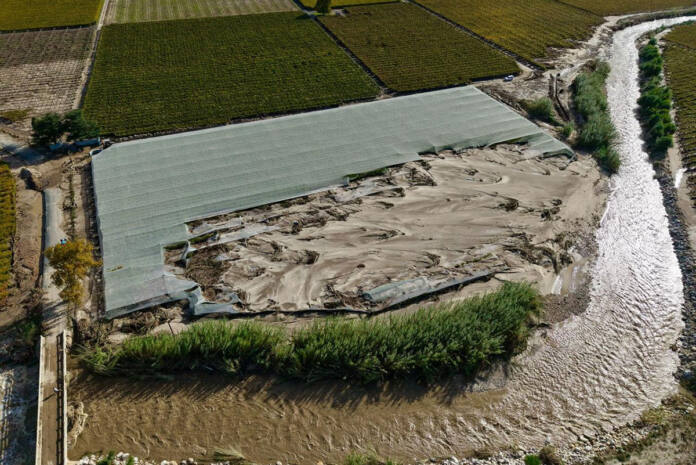
It added that flooding and other severe weather events earlier this year in provinces such as Limpopo and Mpumalanga demonstrated how climate-related disasters can affect lives, livelihoods, infrastructure, and local economies.
According to Ramaipadi, the agriculture sector needs greater investment in climate-smart farming practices, including protecting water resources, restoring degraded land, and conserving natural ecosystems.
She also believes that farming methods need to evolve, with greater emphasis placed on sustainable practices such as organic farming and agroecology, which work with nature rather than against it.
“We need farming systems that protect soil health, support biodiversity, and reduce reliance on harmful chemical inputs,” she explained.
Resilience is key
Meanwhile, Minister of Agriculture John Steenhuisen said climate change is already affecting farming operations across the country and should be prioritised every day, not just on World Environment Day.
“Climate change is no longer something farmers can plan for in the future. It is already influencing how food is produced today,” he warned.
Steenhuisen said the recent storms in parts of the Western Cape showed how vulnerable agriculture can be to extreme weather events.
He noted that infrastructure, orchards, and farming communities suffered unprecedented damage, while power outages and disruptions placed additional pressure on producers.
He warned that warmer winters, droughts, floods, storms, heat stress, and changing pest patterns are all having a direct impact on productivity, crop quality, and the competitiveness of South African agricultural exports.
Steenhuisen added that resilience has now become an operational necessity rather than simply a long-term goal.
“The recent storms showed just how important climate resilience, infrastructure maintenance, and disaster preparedness have become for the future sustainability of agriculture.
“The future of agriculture will belong to industries that combine productivity with sustainability and science with competitiveness,” he concluded.