
The amendment of cold treatment requirements for South African citrus exports to China has been widely welcomed since its announcement in April. Exporters and importers say the previous cold treatment, combined with a journey of at least four weeks to Asian markets, was detrimental to fruit quality.
In the 2025 season, South African citrus exports to China and Hong Kong amounted to approximately 11,5 million cartons, representing around 6% of the country’s total citrus exports. Southern Africa exported around 204 million cartons of citrus worldwide, with South Africa contributing about 193 million cartons. South Africa’s total export earnings reached an estimated US$2,47 billion (roughly R41 billion).
Over the past five years, South African citrus exports to China have hovered between 10 million and 11 million cartons, rising to 11,5 million cartons in 2025.
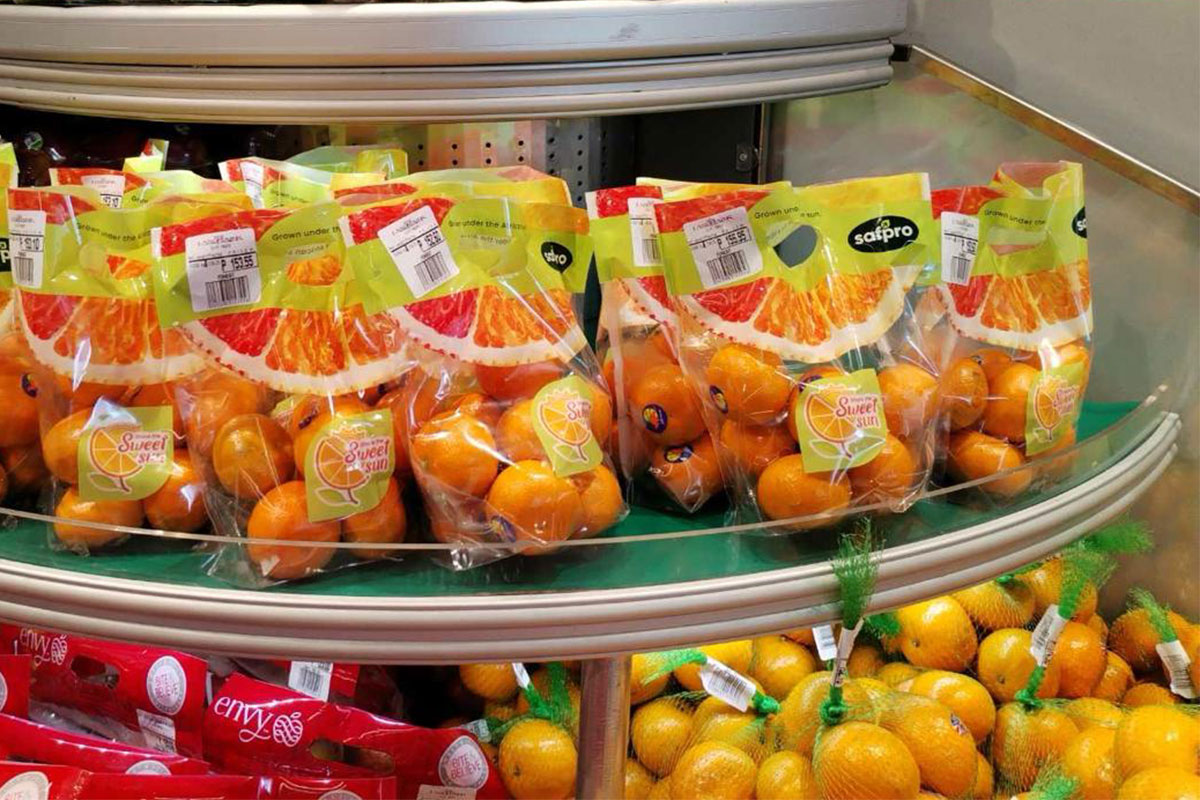
Craig Jensen, director of Gqeberha-based fruit exporter Safpro, said the new protocol could not have come at a better time for South Africa’s citrus exports, adding that volumes to China had been stagnant over the past five years and would likely have declined if the protocol had not been changed.
“The pullback in citrus exports to China has been driven less by structural factors and more by escalating market risk, particularly around fixed-duty costs and volatile pricing outcomes.
“As margins tightened and downside risk increased, exporters became more cautious, especially in a market where Europe cannot easily absorb diverted volumes without price pressure,” he told Farmer’s Weekly.
Jensen added that the relaxation of some of the cold treatment protocols on citrus will also play a major role in ensuring South Africa’s citrus products arrive in better condition, “not having been exposed to sub-freezing temperatures for extended periods”.
“This, combined with the duty-free access, is a good starting point to arrest the decline of volumes and possibly start the process of rebuilding the market in China for South African produce,” he explained.
Positive sentiment in Chinese market
Bake Huang, a Chinese fresh fruit market observer based in Guangzhou, often travels to South Africa with leading retailers and importers to meet local growers and exporters and secure their annual fruit supply.
He said expectations for South Africa’s citrus are positive following improved trading terms agreed by both governments.
“As the tariff decreases to zero, costs will decrease by 11% to 12%. Plus, the US dollar–RMB exchange rate is decreasing at the same time; therefore the cost reduces quite a lot compared with the last several years,” he added.
Huang said that in recent years, the main issue for importers had been cold damage to fruit during the long transit from South Africa to China.
“Thus, the eased new protocol will bring more qualified fruits to China and provide a consistent supply to customers through different retailing channels and the wholesale market. As a result, buyers will be much happier to receive more fruit from South Africa,” he said.
He noted that, with international juice prices declining, growers and exporters are expected to focus more on the global fresh market. Juice prices had been very high over the past few years due to reduced orange production in Brazil.
China narrows quality gap
According to Jensen, stagnant South African citrus volumes to China are the result of several factors, including increased Chinese production and improved fruit quality. This has made it more difficult for traditionally more expensive fruit imported from South Africa and other countries to maintain price premiums.
“China’s domestic citrus industry has advanced rapidly, delivering strong visual and eating quality at significantly lower price points, which is reshaping consumer expectations,” he said.
“For example, a good-quality locally produced Barnfield late navel [orange] can trade at around US$0,80 to US$1 (R13 to R16,30) per kilogram, compared with South African navels historically priced closer to US$1,80 to $2 (R29,30 to R32,60) per kilogram in the same wholesale markets.
“With that kind of price gap, and improving Chinese quality, even traditional premium buyers are increasingly questioning the value of imported fruit, especially as other imported categories continue to enter duty-free at progressively lower prices.
“Honestly, the new protocol is a lifeline for an industry that generates a large amount of foreign currency and jobs; an industry that cannot afford the decrease in trade with such a large market that we have witnessed over the past number of years,” he concluded.