

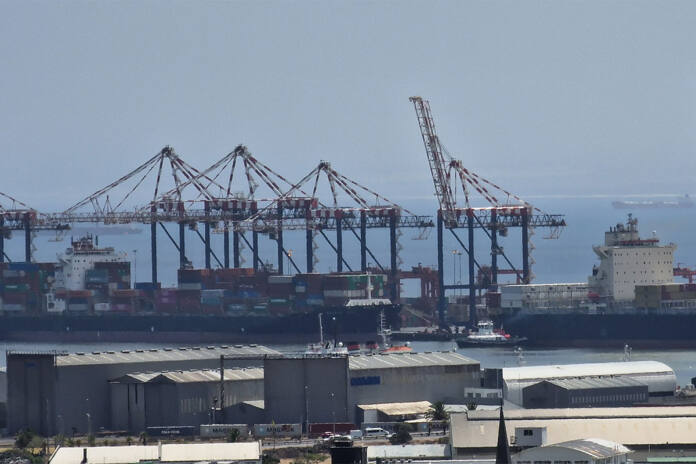
The CPPI measures how long vessels spend in port and is widely used as a benchmark for port efficiency.
According to the latest report, poor port performance has consequences far beyond the harbour. Every additional hour a vessel spends in port removes transport capacity from the global fleet, creating bottlenecks, driving up freight rates, and increasing supply chain costs. The impact was particularly evident during COVID-19, when ships spent about 20% longer in port than prior to the pandemic.
The Port of Cape Town’s ranking also highlights the limited impact of improvements recorded in 2024. At the time, Cape Town was identified as the world’s most improved port based on its CPPI score, yet it still ranked 400th out of 403 ports before slipping to last place in the 2025 index.
Cost to farmers
For Western Cape agricultural exporters, especially those in the fruit industry, prolonged delays increase costs, raise the risk of spoilage, and threaten competitiveness in global markets.
In January, Hortgro estimated that the pome and stone fruit industry had suffered direct losses of more than R350 million since the start of the 2025/26 export season, with losses continuing to mount as delayed vessels arrived at destination ports.
By the second week of the season, export volumes were down 9% year-on-year, while inspection volumes had risen 37%, contributing to a backlog of around 1 690 containers in cold storage and placing an estimated R1 billion worth of fruit inventory at risk.
Exporters have also been forced to reroute shipments through alternative ports at considerable cost. Hortgro said volumes shipped through Port Elizabeth increased by 140%, adding more than R133 million in transport costs alone.
The industry also diverted around 900 refrigerated containers through Durban and a further 1 200 through Walvis Bay to bypass congestion in Cape Town.
The table grape industry has experienced similar challenges. South African Table Grape Industry (SATI) CEO Mecia Petersen told Farmer’s Weekly that operational constraints at the Port of Cape Town and disruptions caused by severe winds had forced exporters to divert volumes through Eastern Cape ports, reducing Cape Town’s share of exports from 90% to 76%.
Hortgro, SATI, and the Fresh Produce Exporters’ Forum (FPEF) said in a joint statement that logistics-related inefficiencies during the 2025/26 deciduous fruit export season cost table grape producers about R3,2 billion, while stone fruit growers incurred R1,05 billion in lost revenue and additional expenses.
The challenge
The CPPI attributed Cape Town’s poor performance largely to persistent weather disruptions and challenges with equipment reliability. Strong winds and heavy swells frequently interrupt vessel movements and cargo handling, while declining berth utilisation suggests vessels are spending more time waiting to access berths.
In response, authorities have invested in infrastructure and equipment upgrades at the port, including a predictive wind model developed with the Council for Scientific and Industrial Research, a helicopter piloting service for high-swell conditions, and a new digital logistics planning platform aimed at improving efficiency.
Agbiz CEO Theo Boshoff explained that while weather plays a significant role, with wind-related disruptions more severe than in recent years, there are several areas where the port and industry stakeholders could improve ahead of the next export season.
“Many of the challenges can be attributed to adverse weather, but we need interventions that allow operations to recover faster once conditions improve. We also need additional capacity, as agricultural export volumes are expected to increase. Improved productivity will help, but it may not be enough to accommodate future growth,” he said.
Boshoff warned that the situation is costing the agriculture sector and the broader economy significant export revenue and that it threatens South Africa’s international competitiveness.
Other major South African ports
While the Port of Cape Town is struggling, other South African ports show signs of improvement. Durban was identified as one of the world’s most improved ports between 2024 and 2025, although it still ranked 398th globally. Port Elizabeth, meanwhile, ranked 314th overall and was recognised as the leading improver over the five-year period from 2020 to 2025.
According to Piet de Jager, CEO of the FPEF, improvements at other South African ports offer encouragement that progress is achievable.
“The challenge now is to translate those gains into consistent, measurable improvements in Cape Town, ensuring that the country’s most important gateway for agricultural exports can support growth, job creation, economic development, and the safeguarding of rural livelihoods,” he said.




