South African agriculture sector representatives have urged government to continue negotiations with the US to prevent the loss of preferential trade terms and support exporters who could be affected by the termination.
However, Wandile Sihlobo, chief economist at Agbiz and presidential envoy on agriculture and land, and AgriSA have emphasised that losing preferential tariff treatment would not close the US market to South African produce.
US Trade Representative Ambassador Jamieson Greer announced on 2 November that President Donald Trump had notified Congress and the governments of South Africa and Rwanda of his intention to terminate the two countries’ participation in AGOA.
Greer said Trump had found that both governments were “engaging in practices that are inconsistent with AGOA’s eligibility criteria”.
The US administration cited what it described as barriers to US trade and investment, corruption, and threats to US national security and foreign policy interests in South Africa as grounds for its decision.
Exports can continue
Sihlobo cautioned against interpreting the announcement as a ban on exports.
“Others frame it as a complete ban from the US market, which is not the case,” he wrote in the media.
Sihlobo said losing AGOA preferences would add ordinary most-favoured-nation duties to products previously exempt under the programme, alongside other applicable US tariffs.
He estimated an average increase in existing US tariffs of around 3,4 percentage points. For example, he said the current 12,5% tariff on some agricultural products could rise to 15,9%.
In its statement, AgriSA similarly emphasised that the effect would depend on the product concerned.
“A single average tariff estimate cannot describe the consequences for every exporter,” the organisation said.
According to AgriSA, ordinary duties will apply where AGOA currently provides an exemption, while products already free of ordinary duties will face a different outcome.
Businesses therefore need authoritative guidance on tariff classifications, exemptions, implementation dates, and the treatment of shipments already contracted or in transit.
Annual figures conceal pressure
Sihlobo estimated that the value of South Africa’s agricultural exports to the US was US$504 million (around R9 billion) in 2025, down 3% from the previous year.
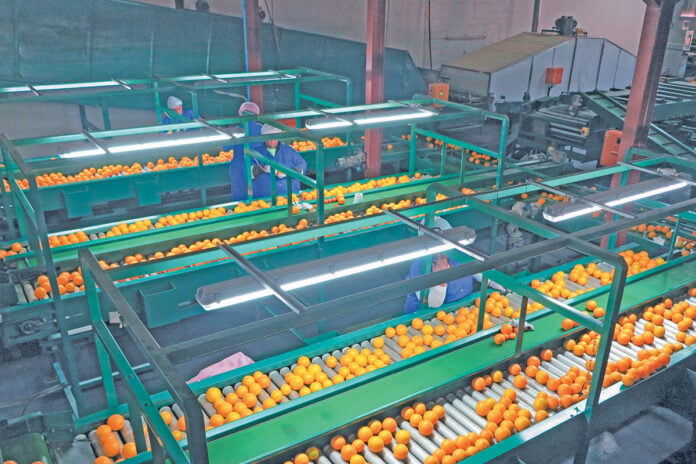
He added that the US accounted for about 4% of the country’s total agricultural exports, and major products included citrus, berries, grapes, raisins, wine, fruit juices, apples, pears, apricots, and nuts.
Sihlobo said some exporters had accelerated shipments during the temporary tariff reprieve in the second quarter of 2025, before exports weakened later in the year.
According to him, agricultural exports to the US fell 11% year-on-year to US$144 million (R2,6 billion) in the third quarter and a further 39% to US$81 million (R1,5 billion) in the fourth quarter.
AgriSA cautioned that continued access to the US market did not necessarily mean that individual exporters would remain profitable.
“Neither predictions of a complete market closure nor assurances of a negligible impact adequately reflect the circumstances of individual agricultural industries,” it said.
The organisation added that the US’s relatively small share of South Africa’s total agricultural exports concealed significant exposure among particular producers and regions.
According to the organisation, the US received around 28,9% of South African litchi exports in the 2025/26 season, while certain citrus-producing regions had established relationships with US customers.
It warned that even a modest increase in duties could affect businesses operating on narrow margins or competing against suppliers with more favourable access. Pressure on earnings, orders, and investment could extend to packhouses, transport operators, workers, and local suppliers.
Negotiations and diversification
Speaking to Farmer’s Weekly ahead of the US’s announcement, Minister of Trade, Industry and Competition Parks Tau said South Africa was prepared for Washington’s decision, and that the US would remain a valued partner.
AgriSA acknowledged the engagements led by Tau and called for sustained diplomatic efforts to address US concerns and preserve preferential treatment.
It also urged faster market diversification, supported by sanitary approvals, reliable ports, effective biosecurity, and efficient certification.
Sihlobo said expanding exports to Asia and the Middle East remained important, but cautioned against treating new destinations as substitutes for established customers.
“Diversification must be framed correctly; it is not a replacement for the US, EU, UK, Africa, and other markets,” he said.
AgriSA said South Africa should explore a more predictable long-term trading framework with the US, working with its Southern African Customs Union partners and respecting regional obligations.
“Agricultural exporters have demonstrated resilience, and the [US] market remains open. The task now is to retain customers, manage additional costs, and protect the conditions for investment and rural employment,” the organisation said.