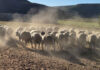
A community-based goat breeding programme in Jozini, KwaZulu-Natal, is using animal identification, record-keeping, and genetic information to help communal farmers make more structured breeding and management decisions.
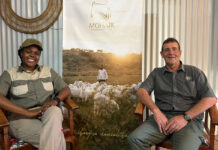
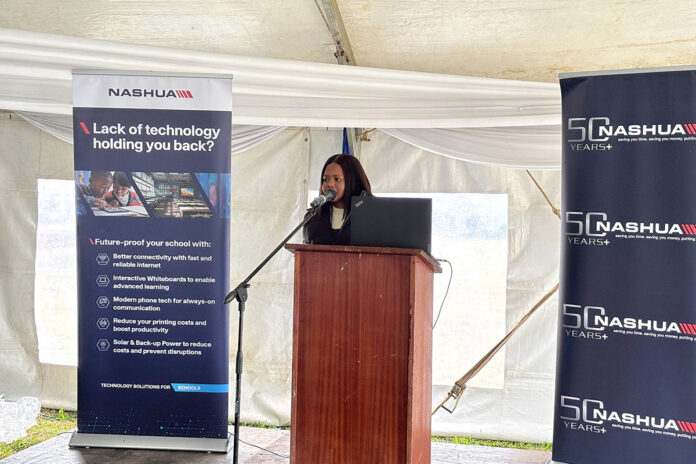
Speaking at the Royal Show’s Technology & Education Hub on 7 October, Nomalanga Masondo, a research technician at the Agricultural Research Council (ARC), said the Jozini Community-Based Breeding Programme was initiated in 2023 in the Ophande and Ezinkunini villages.
The project resulted from collaboration between the ARC’s Animal Improvement and Animal Breeding and Genetics programme, with support from the Kaonafatso ya Dikgomo (KyD) scheme.
Masondo explained that KyD was established to support smallholder cattle farmers through animal identification, performance recording, breeding support, training, and market access.
ARC information on KyD describes the programme as a mechanism for extending national animal recording and improvement services to smallholder farmers. Participating farmers can register animals, submit production records, and use the information generated to support selection and culling decisions.
The KyD was initially piloted in Limpopo, North West, and Mpumalanga and is now operational in all nine provinces.
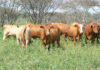
In Jozini, this approach has been applied to indigenous goat production.
Masondo said the project targets resource-limited farmers operating largely under extensive production systems. Its objectives include improving animal identification and performance recording, establishing breeding goals appropriate to local conditions, conserving locally adapted genetic resources, and preparing animals for the market.
One of the major problems by the project was high pre-weaning kid mortality, together with limited animal identification, health records, baseline production data, and reliable pedigree information.
“The majority of farmers in Ophande and Ezinkunini villages rely on memory rather than written records,” Masondo said.
Goat identification and recording gain ground
She explained that without proper records, mortalities could go undetected, be recorded inaccurately, or remain unreported, making both farm management and research more difficult.
The programme therefore introduced individual animal identification, record-keeping booklets, and electronic identification technology.
, 917 goats were tagged and recorded. DNA and faecal samples were also collected, pregnancy testing was conducted, and farmer questionnaires were used to gather information on existing management practices.
By November 2024, 45 questionnaire surveys had been completed. Masondo said a further 246 animals had been tagged by September 2025, while 151 farmers had received training through information and demonstration days.
Farmers were encouraged to record details including individual animal identification, date of birth, sex, coat colour, birth weight, and parentage. Electronic identification readers are also being used to transfer field information into ARC recording systems. Masondo said improved recording is also helping to strengthen animal traceability and disease surveillance.
The project also incorporated genetic analysis. According to Masondo’s presentation, analysis using single nucleotide polymorphisms indicated that more than 87% of the community’s goats were of the Nguni ecotype of the Indigenous Veld Goat.
One of the programme’s distinctive features is that breeding objectives are developed in collaboration with the farmers themselves. In Ophande and Ezinkunini, farmers identified a white coat colour as a preferred trait because of market and cultural demand.
According to Masondo, the programme currently has 110 registered participants.
“As much as [the farmers] have the records and everything, we now need them to sell [their animals] and start seeing these records assist in their goat farming,” Masondo added.
The programme also works with local veterinary and extension services through farmer and demonstration days, where animal health, disease control, and record-keeping are discussed with participating farmers.
Masondo said the emphasis is on translating scientific information into practical advice that farmers can understand and use in their own production systems.