

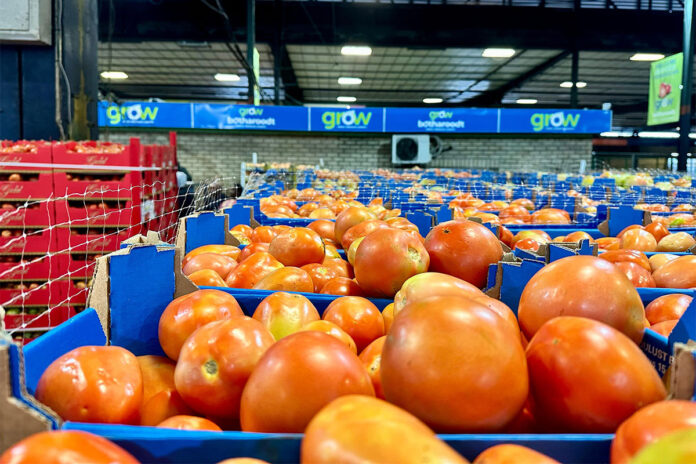
While the festive season traditionally brings increased demand for certain agricultural products, particularly pork and summer fruit, this year’s market outlook is less certain. Cautious consumer spending and weather-related production challenges could influence product supply and quality.
“Coastal fresh produce markets typically experience increased demand during the festive season, while inland markets, particularly in Gauteng, tend to slow down as consumers go away for the holidays,” Hendrik Eksteen, CEO of Grow Fresh Produce Agents, told Farmer’s Weekly.
He said summer fruit, including grapes, mangoes, stone fruit, and watermelon, traditionally see stronger demand during this period.
However, higher prices will not necessarily translate into better returns for farmers. While reduced supply could place upward pressure on prices, poor-quality produce resulting from extreme weather could negatively affect producer prices.
“The weather is playing a significant role given that the super El Niño is already influencing product quality,” Eksteen said, adding that consumer affordability could dampen this year’s seasonal demand, particularly for more expensive fruit.
“Consumers are more frugal given the financial pressure, resulting in reduced spend and purchase volumes,” he said.
Pork producers, meanwhile, could benefit from relatively strong seasonal demand, although increased imports are putting pressure on local prices.
Marlene Louw, CEO of the South African Pork Producers’ Organisation, said pork consumption was closely linked to festive and occasional consumption patterns, with December typically recording higher consumption as households prepare for year-end celebrations and gatherings.
However, the pork industry has faced significant supply disruptions and a sharp increase in imports this year.
“The influx of imported product has weighed on prices, keeping pork highly competitive relative to other animal proteins,” Louw said.
This affordability advantage could support demand during the festive season, particularly as consumers remain under financial pressure.
Louw said that although easing fuel prices could provide some support for discretionary spending in December, “given the cumulative financial pressure experienced by consumers over the course of the year, demand is likely to remain centred on more affordable products and cuts that offer better value for money. Higher-value cuts, such as pork belly, could also benefit from festive entertaining and celebrations”.
Nonetheless, the extent to which local producers benefit from increased seasonal consumption will depend heavily on import volumes and the availability of frozen pork stocks. Louw said the relatively strong rand and low global pork prices mean imported products remain highly competitive, potentially limiting price increases for local producers.