Better animal identification, accurate stock records and the reporting of every stock theft case are crucial in combating livestock crime, while the industry also needs to communicate the realities and cost of predation more effectively.
These were among the key messages delivered during the joint annual general meetings of the Western Cape Red Meat Producers’ Organisation (RPO) and the National Wool Growers’ Association (NWGA), recently held at Nampo Cape 2026 in Bredasdorp.
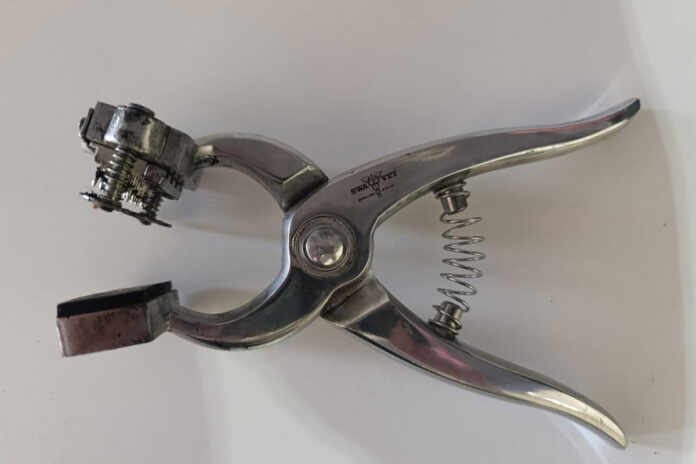
Wessel Fourie, chairperson of the Western Cape Stock Theft Prevention Forum, said that poor livestock identification remains one of the province’s greatest challenges. He added that farmers thus needed to ensure that their animals were tattooed or branded, and that these markings complied with identification requirements.
They also needed to know exactly how many animals they had.
Fourie stressed that every incident of stock theft needed to be reported, despite the administrative and time-consuming effort it took to open a case and appear in court.
“Reported cases help authorities establish the true extent and geographic distribution of livestock crime and influence the resources allocated to combating it,” he explained.
Louis Wessels, chairperson of the National Stock Theft Prevention Forum, urged producers to take particular care when providing the police with their initial statements, as these statements formed an important part of the subsequent investigation.
Technology and stock theft
Wessels said while commercial farmers could use surveillance and licence-plate recognition cameras, these measures were not equally accessible to communal and smaller-scale producers. Moreover, police visibility, training and co-operation between farmers, communities and law-enforcement agencies remained essential in combating stock theft, he said.
Predation losses estimated at R3 billion
Meanwhile, Joseph Steyn, chairperson of the Predator Management Forum, said predation placed an enormous financial burden on all producers, but especially those that farmed extensively.
He estimated South Africa’s annual livestock losses due to predation at about R3 billion. This excluded what farmers spent on predator-management measures.
By comparison, he put reported livestock losses due to stock theft at around R500 million.
Steyn said the industry’s response to predation could not, however, be limited to what happened on farms. Farmers and agricultural organisations also needed to communicate the realities of predation more effectively to consumers, policymakers and the broader public.
He warned that people with little first-hand experience of livestock production could influence attitudes and policy governing predator management.
For this reason, he encouraged farmers and industry organisations to provide factual information about the losses caused by predators, the challenges involved in managing them and the reasons various management interventions were necessary.
Steyn said many people had simply never been exposed to the realities faced by livestock farmers and therefore formed their views from limited information.
Ensuring that the public had a better understanding of those realities was important for maintaining practical and sustainable predator-management ooptions for farmers.