
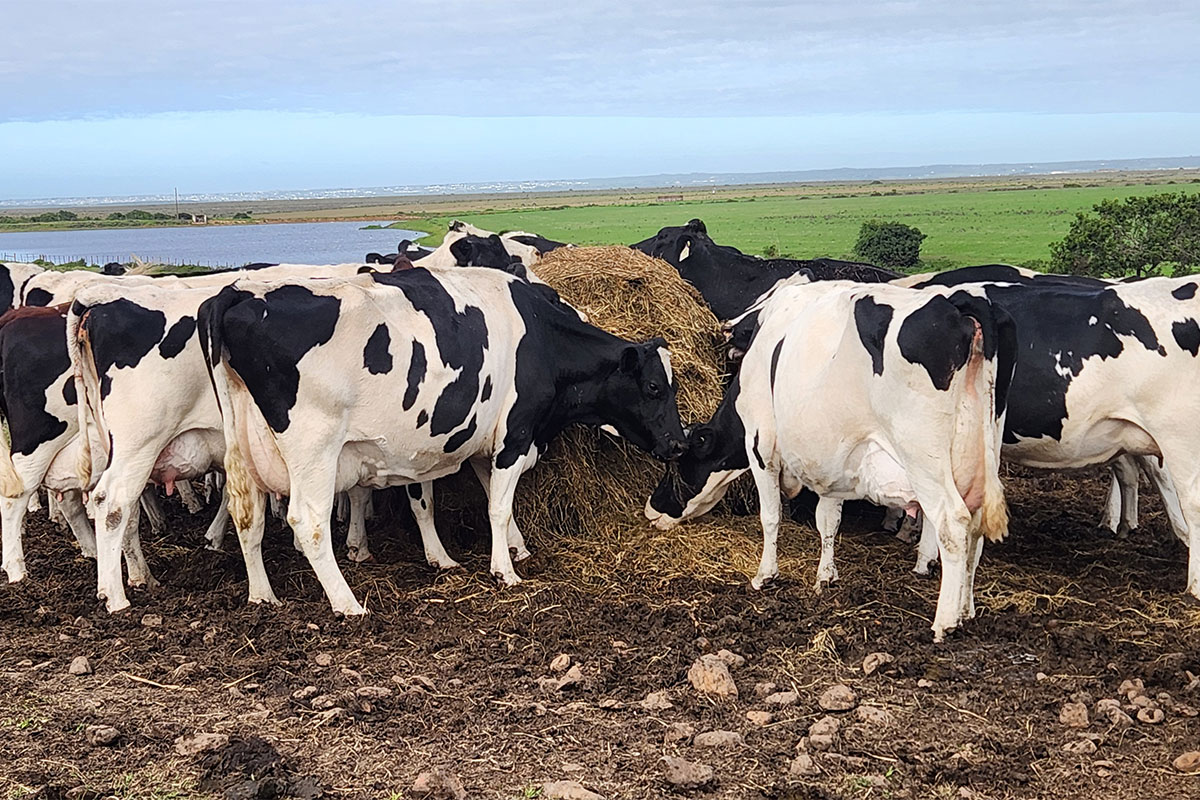
Agriculture Minister John Steenhuisen has published a draft Routine Vaccination Scheme for Foot and Mouth Disease (RVS-FMD) under Section 10 of the Animal Diseases Act (No. 35 of 1984), signalling a shift towards a more decentralised approach to disease control.
Central to the proposed scheme is enabling livestock owners, working with private veterinarians, to play a more direct role in vaccinating their herds, rather than relying solely on state-led interventions.
In a media statement, Steenhuisen outlined the scheme’s goal of minimising FMD risk while keeping livestock businesses operational. It is a partnership model featuring cost-sharing and phased implementation to encourage wider participation.
The draft framework sets strict conditions. Farmers will be required to ensure their animals are uniquely identified through branding, tattooing, or electronic ear tags, and recorded in a national traceability system to monitor vaccination status and animal movement. Participants must also comply with biosecurity requirements, maintain detailed records, and submit to audits and inspections.
Oversight of vaccine storage, cold chain management, and administration will be tightly regulated. A dedicated committee comprising state and private veterinarians, scientists, and industry representatives will oversee implementation.
The proposal marks a shift from reactive containment to a more proactive, risk-based system that places greater responsibility on farmers and industry stakeholders.
Industry support, with reservations
In a statement, Agbiz described the scheme as necessary to unlock private-sector capacity and complement state vaccination efforts.
However, it warned that the framework should not duplicate state functions and cautioned against centralised vaccine distribution, saying this could create bottlenecks. It also stressed that Section 10 must align with broader disease control measures under Section 9, including movement restrictions and quarantine protocols.
Andrew Morphew, a dairy farmer in the Karkloof area of KwaZulu-Natal and a committee member of FMD Response South Africa, said the draft is a positive step but does not go far enough.
“While it allows for vaccination, it doesn’t create a plan that allows vaccination to happen fast enough and on a bigger scale,” he told Farmer’s Weekly.
“All the current constraints, like procurement and distribution, which are actually stopping us from getting vaccines, are still in place. It doesn’t help opening up who can vaccinate without opening up the vaccination supply.”
He added that government has already demonstrated its inability to supply sufficient vaccines and called for private-sector procurement and distribution to be enabled, confirming that he would be submitting formal comments.
Structural concerns
Dr Theo de Jager, chairperson of the Southern African Agri Initiative, said the draft, which appears to favour larger commercial operations, has significant gaps.
He explained that the scheme is ‘tailor-made’ for feedlots, dairy producers, and stud breeders but does not sufficiently address the needs of ordinary commercial cattle farmers or the millions of animals in communal areas.
De Jager also pointed to a lack of clarity on key operational issues, including biosecurity measures, vaccination protocols, and rules governing the movement, sale, and slaughter of animals.
“There are very few, if any, standard operating procedures and no technical protocols on how and when to vaccinate,” he said.
He also raised concerns about the potential centralisation of control through a ministerial committee, warning that vaccine procurement, distribution, and participation decisions could become bottlenecked. Questions also remain around costs, timelines, enforcement, and what happens to farmers who do not participate in the scheme.
De Jager cautioned that without broader inclusion, particularly of communal livestock and wildlife, the country would struggle to contain the disease fully.
Political response
ActionSA welcomed the move, describing it as long overdue and aligned with calls for a more flexible, decentralised response.
Athol Trollip, the party’s agriculture spokesperson, said the success of the scheme would depend on whether farmers and private veterinarians are genuinely empowered in practice.
“The key test now lies in implementation,” Trollip said, adding that vaccine availability, clear operational guidelines, and coordination between national and provincial authorities would be critical.
Tight timeline raises concern
The Department of Agriculture opened a seven-day public comment period after gazetting the draft scheme on 10 April, a timeline that many stakeholders view as tight given the scale of the intervention.
Interested parties may submit comments to [email protected].