Minister of Agriculture Willie Aucamp has confirmed that he will place a moratorium on the enforcement of provisions in the 2017 Buffalo Veterinary Procedural Notice requiring FMD-infected buffalo and contact animals to be destroyed. His response came on 13 August, two days after Wildlife Ranching South Africa (WRSA) requested the moratorium.
“The affected farms and/or reserves will, however, remain subject to strict quarantine, controlled movement, and traceability requirements,” Aucamp confirmed in a letter to WRSA.
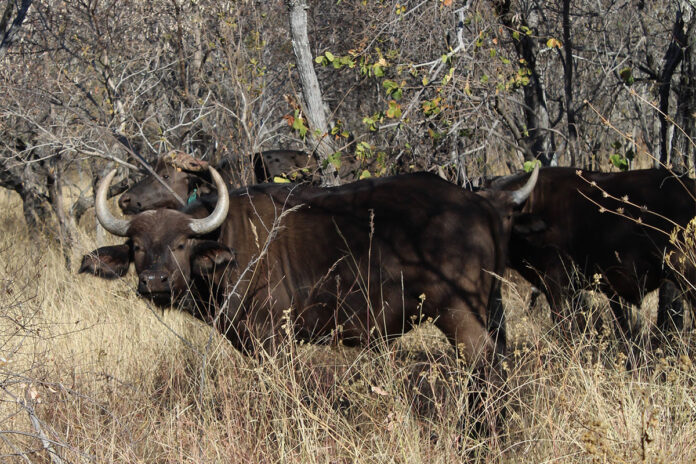
WRSA CEO Richard York told Farmer’s Weekly that the request for the moratorium came after a state veterinarian indicated that more than 600 disease-free buffalo at a 23 000ha private Big Five ranch should be culled on the basis of a suspected FMD infection in a roan antelope.
“The reaction was manifestly disproportionate and difficult to reconcile with rational, risk-based disease control, particularly while strict quarantine, confirmatory testing, movement controls, and continued surveillance remain available,” he explained.
The financial implications of automatic culling will be substantial if it is allowed to continue. In the case of the 23 000ha ranch, for example, the buffalo are worth between R40 million and R50 million.
The WRSA argued that automatic culling was no longer appropriate given South Africa’s changed FMD situation and the complexity of interpreting positive results in buffalo.
York noted that SAT1, SAT2, and SAT3 strains were distinct FMD serotypes, and that positive antibody results could indicate current infection, previous exposure, or exposure at different times.
Research cited by the WRSA also showed different persistence patterns between the serotypes. In a controlled study, SAT2 RNA was no longer detected after day 172 and SAT3 after day 214, while SAT1 RNA remained detectable in some animals at day 400. However, no infectious virus was recovered from tissue at day 400.
The WRSA therefore proposed that affected herds remain under strict quarantine while further testing determined whether animals remained infectious or posed a continuing transmission risk.
The organisation argued that registered disease-free buffalo herds were already subjected to stringent surveillance for FMD, corridor disease, brucellosis, and bovine tuberculosis. According to the WRSA, none of the 2 444 reported FMD outbreaks or locations had been epidemiologically linked to a registered disease-free buffalo herd.
Aucamp conceded that the current outbreak had forced the Department of Agriculture (DoA) to reconsider some disease-control measures as circumstances evolved.
“While these measures were necessary and scientifically justified when initially implemented, we are mindful that it is imperative that they be reviewed at various stages as the situation evolves,” he said.
However, Aucamp cautioned that pockets of FMD-positive buffalo would complicate South Africa’s eventual return to FMD-free status. Preventing infection in buffalo as far as reasonably possible therefore remained the DoA’s intention, while longer-term solutions would need to address FMD risks associated with game animals more broadly.
The WRSA will meet with the DoA in the coming weeks to discuss a way forward to protect national biosecurity without destroying vital economic and genetic assets.
The organisation’s proposal includes staged, multiphase quarantine protocols and ongoing serological monitoring, lifelong traceability controls for managed herds, and transparent, standardised criteria for evaluating risk before any destruction order is considered.
York said South Africa had previously demonstrated, through its government-supported disease-free buffalo breeding programme, that valuable buffalo genetics could be preserved and disease-free herds rebuilt from infected parent stock through multiphase testing, controlled breeding, and staged quarantine.
“That history doesn’t prove that every infected adult buffalo will clear the virus, but it does demonstrate that indiscriminate destruction is not the only scientifically responsible option,” he added.