Speaking at the South African Subtropical Growers’ Association (Subtrop) Marketing Symposium in Skukuza, Mpumalanga, last week, Craig Swartz, head of sales at Rainmaker Media, the retail media agency for the Shoprite Group, said changing shopping habits meant consumers were visiting physical stores less frequently as they increasingly used online delivery services such as Checkers Sixty60.
He said this shift was reflected in Shoprite’s latest trading figures, which showed Sixty60 sales had increased by 33,4% in the four months to end-October, following sales of R25,5 billion in in the full year to end-June 2026.
Swartz explained that the shift to online shopping was changing how products needed to be marketed. Rather than relying on attractive in-store displays to catch shoppers’ attention, suppliers need to ensure their products appear prominently in online searches.
Retailers are also collecting increasingly detailed data about what consumers purchase and how frequently they buy particular products, providing valuable insights into purchasing behaviour.
From supermarket shelves to search bars
North-West University’s Prof Roland Goldberg, an expert in consumer behaviour, said that traditional supermarkets were carefully designed to influence purchasing decisions, often without shoppers realising it.
“Fresh produce occupies some of the most valuable floor space near supermarket entrances because its appearance influences consumers’ perceptions of the entire store. If this is not fresh, the perception is that everything else in the store is not fresh,” he explained.
Lighting, music, product placement, and even smells can influence how shoppers move through stores and what, and how much, they purchase. However, online shopping removes many of these influences.
“Products whose names aren’t entered into the search bar remain invisible to shoppers. Online shopping means fresh produce displays can’t be used to lure consumers, and consumers can’t physically inspect fruit before deciding whether to buy it. Instead, they now rely on the information and images presented online, as well as their previous experiences with the product,” Goldberg said.
This presents a particular challenge for avocados, where ripeness and eating quality strongly influence purchasing decisions.
Goldberg said consumers might say they bought avocados because of their health benefits, but their immediate concern at the point of purchase was often whether the fruit would be ripe when they needed it.
“Ripe-and-ready avocados therefore offer consumers something beyond the fruit itself: certainty. But this trust takes time to build and can be eroded by just one bad eating experience. A disappointing experience with an avocado that was black and stringy inside will remain in a consumer’s memory far longer than a perfectly ripe fruit,” he said.
Quality builds confidence
Luzanne Kurtz, Westfalia Fruit’s global sourcing manager for avocados, warned that poor-quality fruit did not merely damage the reputation of an individual supplier but could undermine confidence in the entire industry.
She cautioned against allowing quality standards to slip towards the end of the season, when pressure to move fruit could result in produce being marketed despite concerns about its condition.
This reinforced a message from Subtrop Chairperson Edrean Ernst, whose address was delivered by Subtrop CEO Derek Donkin.
Ernst emphasised that stimulating demand needed to go hand in hand with consistently delivering fruit that met consumers’ expectations.
“Quality is not solely the responsibility of packhouses; it begins on the farm,” he said.
For an industry investing in consumer education and promotion, the implications are significant.
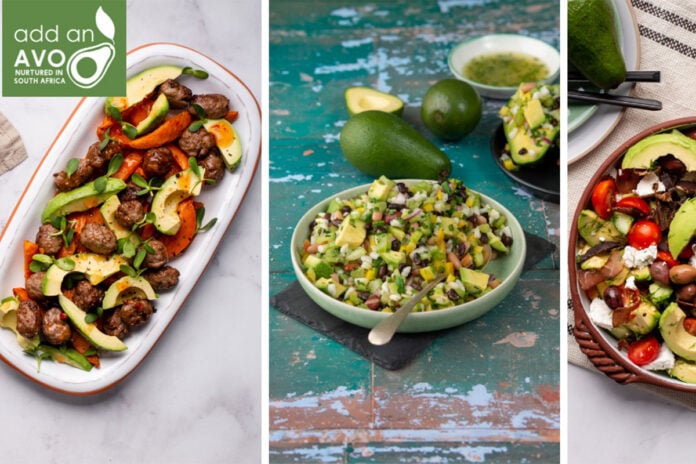
Glynnis Branthwaite, founder of Protactic Strategic Communications, said avocado marketing campaigns increasingly focused on simple, practical messages encouraging consumers to “add an avo” to everyday meals, supported by health information and recipes.
However, Goldberg’s observations highlighted why consistent eating quality remained essential: consumers needed confidence that the fruit they ordered would meet their expectations.
He said that as more grocery purchases moved online, that confidence would become increasingly important in encouraging repeat purchases and ensuring that marketing efforts translated into sustained demand.