
Alien clearing has been identified as a valuable means to reduce environmental risks such as wildfires, water loss, reduced streamflow, and biodiversity decline. But, to be effective it should be accompanied by replanting the natural areas to kick start the natural return of biodiversity. Without this follow-up, cleared areas are often left vulnerable to reinvasion or further degradation.
This integrated approach often requires planning beyond removal, and into the re-establishment of indigenous vegetation and longer-term landscape management.
Getting started
Speaking at the ‘Return on Ecology’ farm and veld day held at Opstal in Slanghoek in the Western Cape, biodiversity consultant Shelly Fuller said the most effective starting point is often the simplest: look at what is already naturally growing on the farm.
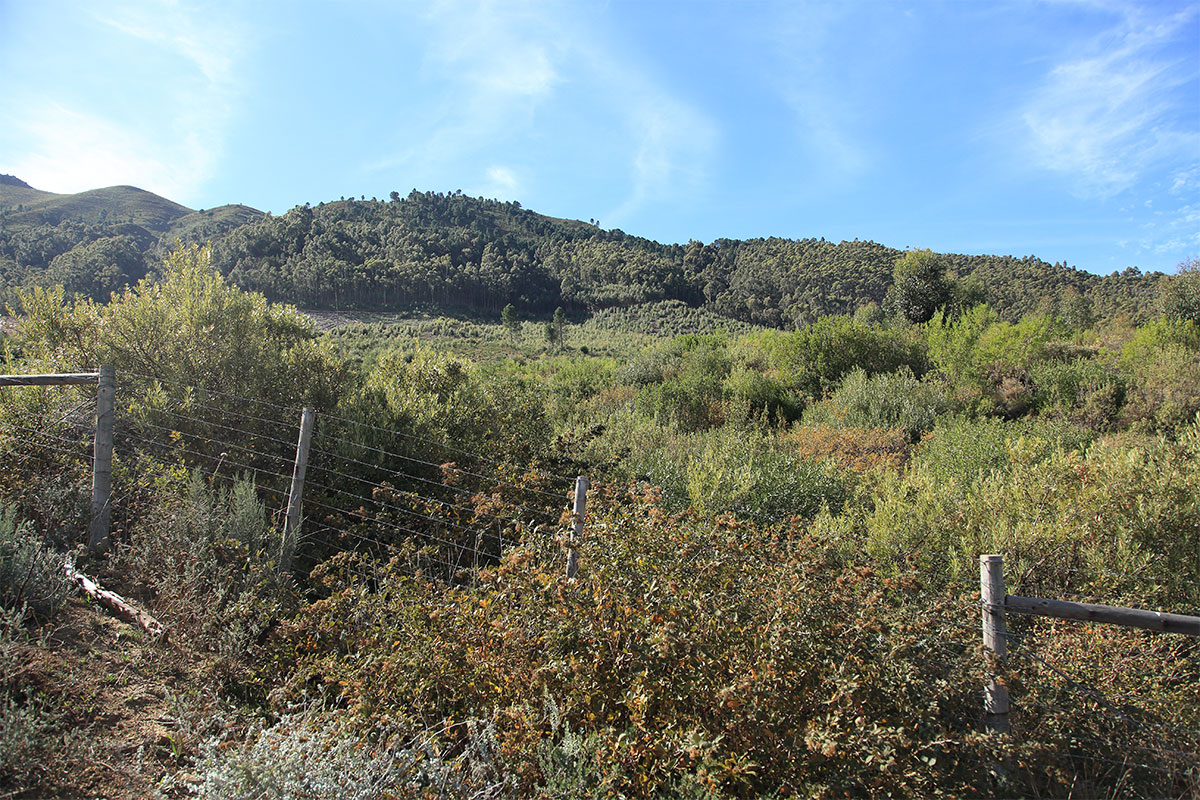
“People often ask where to start, where to find plants, how much it will cost, what to prioritise, and how to scale. But, the easiest and most affordable step is to head into the veld and see and identify what is already there. This is because those plants have adapted to the environment and could provide the most suitable source of plant material to be reintroduced into areas you want to rehabilitate or restore,” Fuller said.
Free digital tools can help with the identification of suitable species. Platforms such as CapeFarmMapper, according to her, allow farmers to identify their farms’ natural vegetation type and access lists of suitable indigenous species in Latin. These species can then be searched on iNaturalist to make identification easier.
Fuller emphasised that replanting to repair the function of an area should be guided by practical needs, not idealised outcomes. “Ask yourself: What problem are you trying to solve? Is it soil erosion after floods, restoring riverbanks, purifying wastewater, or improving pollination? Start there and work within your budget,” she added.
Access to plant material
Access to regionally indigenous plant species was highlighted as another challenge, as availability and sourcing often limit the scale of replanting efforts. While some species are still found on farms in remnant patches of veld and can be used as a source of seed or cuttings, farmers often struggle to access reliable supplies of locally appropriate plants in bulk.
Fuller noted that this gap is being addressed through efforts to establish regional indigenous nurseries, which aim to improve access, reduce transport costs, and provide guidance on propagation techniques as well as propagation services.
Andrew Purnell, the managing director of Ecofarms, said farmers should ideally source indigenous plant material within a 10 to 15km radius of the restoration site. This helps maintain genetic integrity and ensures plants are better adapted to local soil and climatic conditions.
“Even within the same species there are subtle genetic differences between valleys. If we want to restore functioning ecosystems, we need to respect those differences and source locally as much as possible,” he said.
Commercial spin-offs
Veld restoration and rehabilitation have numerous environmental benefits, including riparian rehabilitation to stabilise riverbanks, wetland restoration to improve water quality, and the creation of biodiversity corridors and buffer zones that support pollinators and beneficial insects. It can also include the reintroduction of cover crops to reduce soil loss, regulate soil temperature, and improve soil biology.
In addition, it can deliver commercial spin-offs, according to Fuller. Proteas and pincushions, for instance, can be harvested for the cut flower market, with stems fetching around R10 locally and up to R20 for export. She, however, reminded farmers that flora picking permits are required for the commercialisation of indigenous species and sustainable harvesting practices should be followed to avoid inadvertently damaging sensitive populations of rare or endangered species.
Other indigenous species, such as wild rosemary, offer even broader opportunities. It can be used as herbal tea, in traditional medicine, in cosmetics, for landscaping, as a cover crop, and forage for livestock.
Beyond production, Fuller said farmers can also create additional value by integrating indigenous plants into on-farm tourism and tasting experiences, and making it part of their marketing story. “With the Cape Floral Region being a biodiversity hotspot, there is a real opportunity to bring these plants into your tasting rooms and visitor spaces,” she said.
This can be done by using indigenous plants in landscaping around tasting rooms, incorporating them into sensory gardens, or offering tea tastings, botanical storytelling, or guided walks that link products to the natural landscape. In doing so, farmers not only enhance the visitor experience, but also strengthen the identity of the farm by rooting it in its natural ecology.
Ultimately, Fuller said, replanting for biodiversity does not need to start with large-scale investment, but with observation, curiosity, and small, practical steps that build over time.