This was according to South African Minister of Agriculture Willie Aucamp. Speaking at a public meeting in Bothaville in the Free State earlier this week, he said his department remained in constant communication with its counterparts in Namibia and Botswana.
“It simply makes sense to work together. It would be counterproductive to try to combat the disease in isolation. To that effect, South Africa has already made 50 000 vaccines available to Namibia, Eswatini, and Lesotho so far this year,” Aucamp explained.
He also addressed the matter of South Africa’s red meat imports from Botswana and Namibia. Both countries’ borders had been closed to exports, and the movement of cattle had been suspended.

According to Aucamp, the resumption of imports from the two countries largely depended on agreements on biosecurity protocols.
“We have already submitted protocols to that effect to Botswana and are awaiting an official reaction. The compartmentation of FMD-free zones in Botswana is one option that could be considered for the recommencement of imports from that country.
“I am also in constant communication with my counterpart in Namibia, and from South Africa’s side, we remain committed to assist in any we can,” he said.
Aucamp reiterated that South Africa was making progress in its battle against FMD, which he largely attributed to the involvement of the private sector in the production and distribution of vaccines.
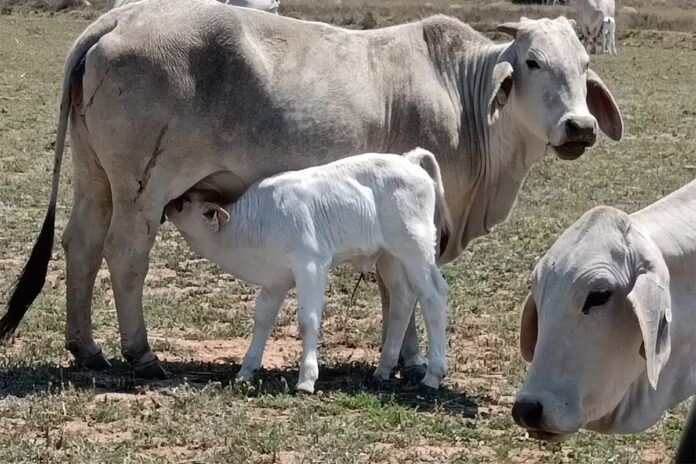
He noted that the Agricultural Research Council (ARC) currently produced 20 000 vaccines per month, while millions were needed to effectively vaccinate the national cattle herd of 15,2 million.
The minister pointed out that the ARC’s vaccines were highly regarded and welcomed the council’s decision to make its intellectual property relating to vaccine manufacturing available to the private sector.
Aucamp explained that the royalties the ARC earned in this way would be ring-fenced specifically for vaccine production.
He also warned against fragmentation in the agriculture sector, saying that much of the disagreement between some organised agriculture structures and government officials following the FMD outbreak could have been avoided through constructive communication.
“The time has come for role players in to sector to talk with each other and not about each other,” Aucamp said.