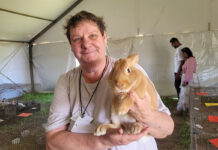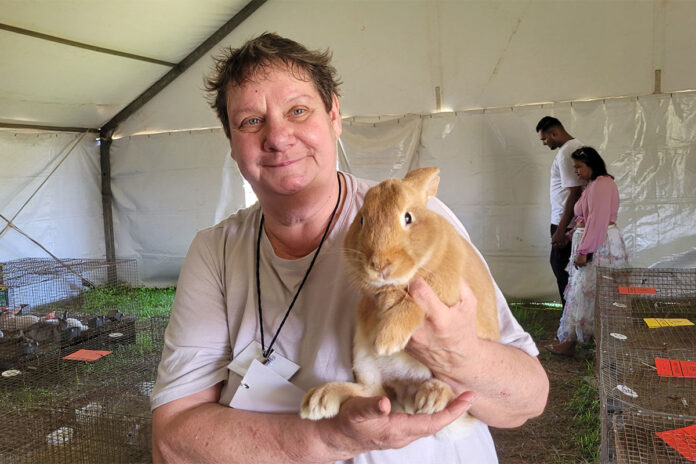
Speaking to Farmer’s Weekly, Yolande Buhr, chairperson of the Natal Rabbit Club, said the inability to import new breeding stock into South Africa made maintaining genetic diversity increasingly difficult.
The country’s moratorium on rabbit imports, imposed to protect against myxomatosis, meant breeders had to work with the genetics already available to them.
The introduction of rabbit haemorrhagic disease around six years ago further reduced breeding populations. However, Buhr said there had been encouraging signs that the disease was no longer spreading. No new cases had been reported for some time, raising hopes that the outbreak had subsided.
More than a beauty contest
Buhr explained that the Royal Show’s rabbit competition was primarily about improving breeding standards.
“It’s very little about the prizes and mostly about the learning. We encourage the public to visit the exhibit to learn more about rabbits, especially since they make such wonderful pets.”
The exhibit featured several breeds, including the locally developed meat rabbit SA Phendula, Frosted Pearl, and Hotot, which is recognisable by the distinctive dark circles around its eyes.

Judges assessed each rabbit against established breed standards, providing breeders with feedback on their animals and guidance on future breeding decisions.
Buhr, who has been breeding rabbits for 41 years, said she is particularly passionate about preserving breeds that are disappearing because too few breeders remained.
She keeps approximately 300 rabbits across 15 breeds and encourages smaller breeders to help maintain healthy genetic populations. Even those with only five or six rabbits can contribute by exchanging breeding stock.
From farm animals to family pets
Beyond breeding, the exhibit introduced visitors to the versatility of rabbits, which are kept commercially for meat and increasingly as household companions.
Buhr said rabbits could be affectionate, independent pets capable of being litterbox-trained and taught to respond when called. Their relatively small size also made rabbit breeding accessible to enthusiasts who did not own farms.
However, she cautioned that rabbits required proper care, particularly when it came to nutrition.
“Hay should form the foundation of their diet, with pellets making up no more than 20% of their feed,” she explained.
For Buhr, the show also offered an opportunity to rekindle childhood enthusiasm for rabbits and encourage a new generation of breeders. With relatively few junior members currently participating in rabbit clubs, attracting younger enthusiasts remained important to the future of the breeds.
Buhr’s own passion began when her husband gave her a female rabbit shortly after they married, joining the male rabbit she already owned. Four decades later, that gift has grown into a lifelong commitment to rabbit breeding and conservation.