Izaak Breitenbach, CEO of the South African Poultry Association’s (SAPA) Broiler Organisation, said Steenhuisen’s decision marks a significant milestone for the poultry industry and will save it billions of rand.
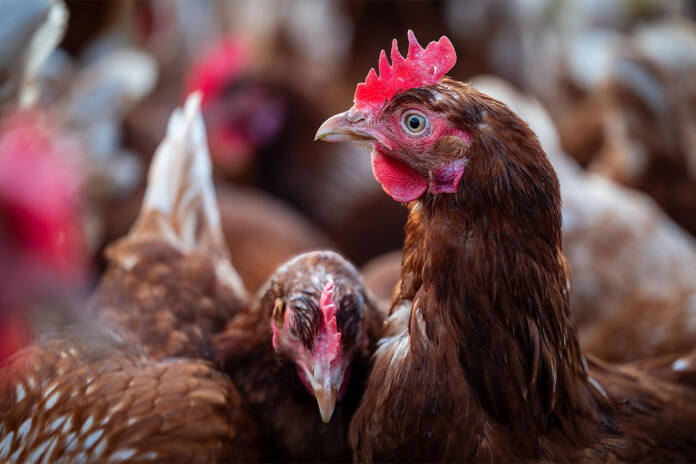
He noted that the last major outbreak of HPAI in South Africa, which occurred in 2023, cost the industry around R10,5 billion, adding that allowing the vaccination of birds is a direct intervention to support a more sustainable approach to combatting the disease.
“If we can get to an implementable biosecurity and monitoring protocol, we will prevent what happened in 2023, when we lost in excess of 9,5 million chickens to culling,” Breitenbach told Farmer’s Weekly.
He said Steenhuisen’s announcement follows SAPA’s sustained engagement with government to secure practical, science-based solutions that better protect poultry flocks, safeguard food security, and preserve jobs throughout the poultry value chain.
In a press release, Breitenbach said that for several years, SAPA had consistently advocated for a modernised approach to HPAI management that aligns with international best practice.
The industry’s concerns have centred on the limitations of a policy framework that relied almost exclusively on widespread culling as the primary disease control mechanism, resulting in severe economic losses, disruptions to egg and poultry meat supply and increased costs for consumers.
Government’s intervention provides a pathway towards a more balanced and sustainable disease management model that incorporates vaccination, enhanced biosecurity, surveillance, testing, and responsible outbreak management, Breitenbach noted.
“Vaccination is not a silver bullet, but it is an essential tool that has been successfully incorporated into avian influenza control programmes in many countries. Combined with robust biosecurity and surveillance measures, it will significantly strengthen our ability to manage disease risks while maintaining production and food security,” he said.
Steenhuisen made the announcement in a press release on 3 June.
“Our poultry farmers need direct support, and we are changing policy to give them a legal mechanism to protect their livelihoods,” he noted.
Steenhuisen has instructed the Department of Agriculture (DoA) to immediately implement interim measures while the policy change moves through formal processes to ensure a smooth industry transition.
“The old regulations forced the industry to destroy flocks unnecessarily, which harmed agricultural businesses and raised food prices for consumers.
“By changing this policy, we are giving producers the legal right to use verified scientific tools to protect their farms, protect agricultural jobs, and secure affordable food for the public,” he said.
This regulatory change follows a formal objection submitted in 2025 by SAPA under Section 23 of the Animal Diseases Act No. 35 of 1984, highlighting a breakdown in the DoA’s Directorate for Animal Health, reporting continuous failure to provide a practical or affordable solution to HPAI and prevent any potential crisis.
Poultry producers argued that the department kept them stuck in an outdated system that forced the mass culling of birds, leaving them without any modern legal tools to protect their flocks.
After reviewing the Section 23 report, Steenhuisen decided to act on its recommendations to resolve the administrative deadlock and move away from the culling of birds towards a vaccination-based approach.
What the policy shift means for the poultry industry
The formal introduction of an HPAI vaccination framework is expected to significantly change how poultry production operates in South Africa. Rather than relying mainly on culling when outbreaks occur, farmers will be able to use a combination of vaccination, improved biosecurity, and regular testing to manage the disease and reduce financial losses.
To support this shift, the DoA will update the existing Animal Diseases Regulations or introduce a formal control measure under Section 9 of the Act. This is intended to create a clear legal framework for how outbreaks must be handled on farms, replacing the previously inconsistent and often confusing enforcement approach that limited rapid response, Steenhuisen noted.
The new rules are also designed to be practical across the industry, ensuring that both large and small are equipped to deal with HPAI outbreaks under a unified system. The aim is a more balanced and workable regulatory environment for all role players.
Government will take on a stronger coordinating role, particularly in establishing national surveillance systems, overseeing laboratory testing, and ensuring compliance with outbreak regulations. It will also focus on maintaining international standards to protect South Africa’s export markets and sustain trade access.