Launched earlier this month, the report showed that movements in the rand created different windows for imports and exports, while the sharp swings in fertiliser prices highlighted the risks of concentrating purchases within a short period.
It warned that the global operating environment remains unusually uncertain, with the Middle East conflict continuing to affect oil prices, transport costs, and agricultural input markets. Weather developments could add further volatility through their impact on production and food inflation.
Absa Research expects some of this pressure to ease over the medium term. Its baseline forecast is for Brent crude oil prices to average around US$77/barrel (roughly R1 252/barrel) by the fourth quarter of 2026, before declining to about US$66/barrel (R1 073/barrel) by the fourth quarter of 2027.
However, the report cautioned that the outlook remains subject to considerably greater uncertainty.
Use currency movements to your advantage
According to the report, the rand remains one of the most important variables for agriculture because it influences both the cost of imported inputs and the competitiveness of exports.
After strengthening to R16,60/US$ in late January, its strongest level since June 2022, the rand weakened to R17,24/US$ following the start of the US–Iran war. It subsequently traded mostly within a range of R16/US$ to R17/US$.
Absa Research expects the exchange rate to move back towards R17/US$ by the end of 2026, although favourable economic conditions could keep it around R16/US$ for longer or even push it temporarily below this level.
“From a balance of probability perspective and based on the trading range over several months, we believe that farmers should import at current levels. Conversely, our view is that farmers will obtain more rands for their exports later in the year,” the report said.
With interest rates also expected to remain elevated well into 2027, Dawie Maree, head of agriculture information and marketing at FNB, said farmers need to prioritise productive, income-generating assets, maintain adequate liquidity, and keep debt comfortably serviceable.
“Planning input purchases ahead of price cycles, like those who secured fertiliser early this season did, can make a material difference to margins,” he said.
Spread fertiliser purchases to reduce risk
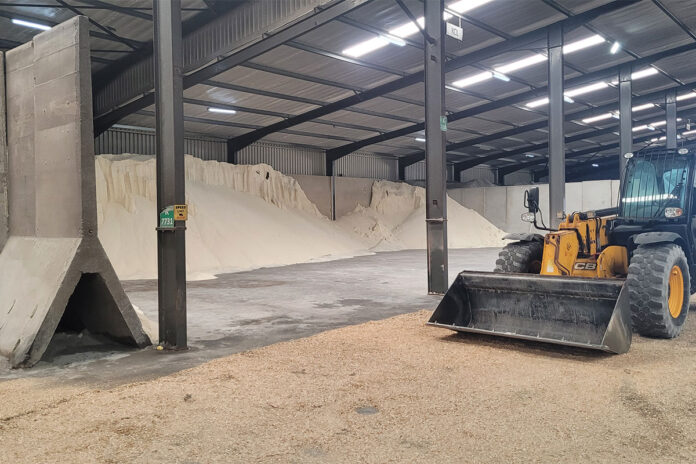
The fertiliser market illustrates how quickly procurement costs can change. Following the outbreak of the current hostilities in the Middle East, fertiliser prices rose by around 54% before moderating. Nevertheless, they have remained about 5% above pre-conflict levels.
Absa AgriTrends stated that the effect has been particularly severe in South Africa. During the first half of 2026, international fertiliser prices increased from around US$500/t to US$650/t, while local prices climbed from approximately R12 000/t to nearly R19 000/t.
According to the report, disruptions to key maritime trade routes and sharply higher freight rates contributed to the divergence by increasing the landed cost of imported fertiliser. The risk was amplified because South African fertiliser imports typically peak in the third quarter as the sector prepared for the summer planting season.
“The concentration of imports within specific periods of the year increases exposure to unexpected shocks,” it said.
Absa AgriTrends therefore suggested that, where practical, producers and suppliers spread procurement over a longer period. Staggering purchases could reduce exposure to temporary price and supply disruptions rather than leaving an entire season’s input bill vulnerable to conditions prevailing during one narrow purchasing window.