Speaking to Farmer’s Weekly, Department of Wildlife and National Parks (DWNP) principal wildlife officer Banele Jongilizwe said applicants must submit a prescribed application for a licence, a register of animals to be farmed, proof of land ownership or lease, and a management plan.
He explained that the department would then conduct an inspection before assessing the application and, if approved, a permit would be issued by the DWNP director. He added that farmers are encouraged to seek guidance from their nearest DWNP or Department of Tourism office before applying.
“Currently, the application process for game farming in Botswana is entirely manual,” Jongilizwe said.
The department intends to digitise applications through the Botswana Economic Transformation Programme, which Jongilizwe said would help improve access for investors, particularly those based outside the country.
The planned changes form part of a wider effort to develop Botswana’s wildlife economy.
“The government policy and new position is to recognise and promote diversification into the wildlife economy sector to expand beyond a diamond-based economic model,” Jongilizwe explained.
The DWNP also said new game ranch regulations are being developed to create an environment for the sector that is more conducive to business.

A farmer’s perspective
Bradley Frohlich, a professional hunter and owner of Fox Ranches in the Tuli Block, experienced the manual process first-hand when his family moved from cattle to game farming.
Their decision was driven partly by the need to make the farm financially sustainable.
“We didn’t want the farm to be a big black hole,” Frohlich said.
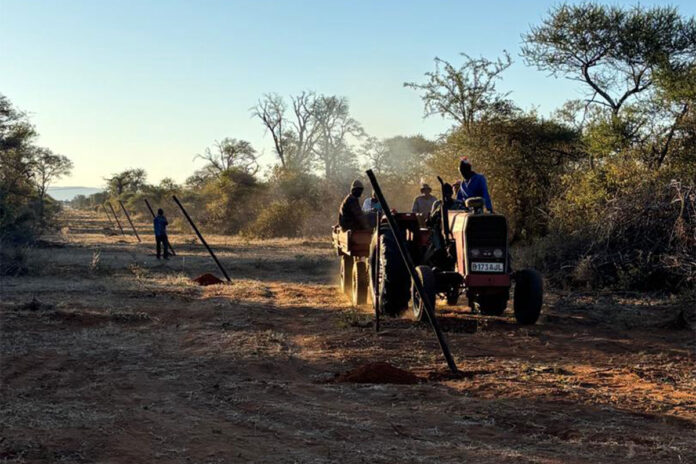
His family sold their remaining cattle and sheep in 2016 and moved into wildlife farming. Frohlich said their application took eight months to complete, although the farm had already been game-fenced.
Once registered, further permits are required to utilise the wildlife. Frohlich explained that these permits could take between six weeks and three months to process, making forward planning important.
Although physical farm inspections will remain necessary, he said, “Digitalising the administrative parts of the process will be hugely beneficial.”
Despite the lengthy permit process, Frohlich believes the commercial benefits of registering a game farm outweigh the investment. He also believes that giving wildlife commercial value encourages farmers to protect these animals rather than view them as an expense or pest.