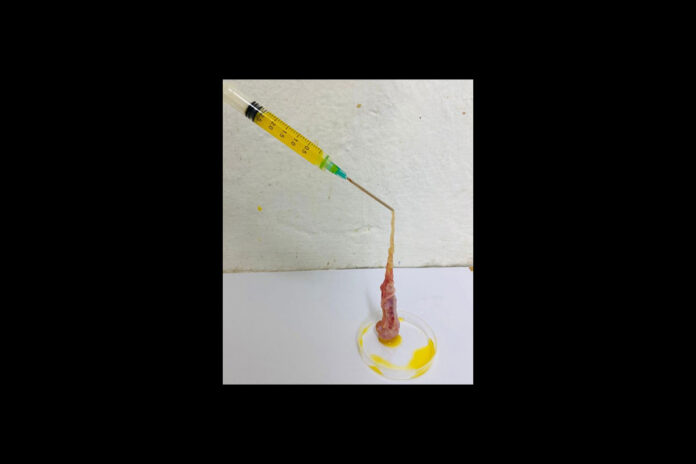
When an elite bull dies unexpectedly, the loss goes far beyond the animal itself. Years of careful selection for beef yield, fertility, robustness, and adaptability can vanish in an instant. The genetic progress built over decades may be erased within hours. For beef farmers, such a moment is not only financially painful but also emotionally devastating.
It signals the sudden end of a proven bloodline and a trusted breeding asset. Opportunities for future herd improvement can be lost without warning. In many cases, it feels as though the door on that genetic legacy has closed forever.
Thabang Luther Mashilo of the Department of Agriculture, and Masindi Lottus Mphaphathi, from the Agricultural Research Council, explain how viable sperm can be recovered from a bull after death and preserved for future use.
Advances in reproductive technology are offering cattle producers a powerful, yet under-used tool: post-mortem recovery and cryopreservation of epididymal sperm. In simple terms, it means rescuing viable sperm from a bull after death and preserving it for future use, turning a devastating loss into a long-term genetic opportunity.

Why elite bull genetics matter?
Elite beef bulls are the result of years of selection, performance testing, and financial investment. Traits such as growth rate, feed efficiency, fertility, structural soundness, adaptability, and carcass quality directly influence herd productivity and long‑term profitability.
Whether it’s used in stud or commercial systems, the genetic influence of a proven bull extends far beyond a single breeding season. Losing such an animal prematurely can slow genetic progress, disrupt breeding objectives, and increase reliance on costly replacement bulls or imported semen. In South Africa’s diverse beef production environments, locally adapted genetics remain a strategic asset worth protecting.
Sudden loss and why post‑mortem recovery works
Breeding bulls face constant risk, including accidents, fighting injuries, lightning strikes, disease, or sudden metabolic failure. Even young, healthy animals can be lost without warning, often before semen has been collected.
Research and practical experience show that epididymal sperm can survive freezing and thawing, retain fertilising ability, and produce viable embryos and healthy calves. Although conception rates may sometimes be slightly lower than those achieved with conventionally collected semen, the genetic value of an elite bull often outweighs this difference, particularly when the alternative is complete genetic loss.
What is epididymal sperm recovery?
Unlike ejaculated semen collected using an artificial vagina or electro-ejaculation method, epididymal sperm is retrieved directly from the epididymis, a structure attached to the testes inside the scrotum where mature sperm are stored. Sperm can remain viable for several hours, and sometimes up to 24 hours, after the bull’s death, provided the testes are handled correctly.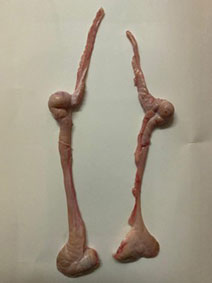
Once collected, this sperm can be:
- evaluated for quality (motility, viability, and morphology);
- frozen (cryopreserved);
- used later in reproductive technologies such as artificial insemination or in vitro fertilisation.
Timing and handling: the critical factors
Success depends heavily on how quickly and how well the testes are handled after death. Key factors influencing success include the following:
- Time for postmortem: Ideally, recovery within six to12 hours;
- Temperature management: Testes should be cooled, not frozen;
- Clean handling: Prevent contamination or physical damage;
- Professional expertise: Recovery and freezing must be done by trained personnel.
Having a clear protocol in place before an emergency occurs can make the difference between retrieving genetics and losing them forever.
A powerful tool for beef genetic conservation
Post‑mortem sperm recovery has value beyond the individual farm. It contributes to:
- conserving rare and endangered beef breeds;
- maintaining genetic diversity within breed populations;
- supporting national and private germplasm banks;
- reducing reliance on imported genetics.
In a beef industry facing rising input costs, climate pressure, and the need for resilient cattle, protecting locally adapted genetics is a strategic investment in long‑term sustainability.
What beef farmers should do before tragedy strikes?
The greatest mistake is waiting until disaster strikes to ask questions. Smart steps to take now include:
- Identify elite or irreplaceable bulls in the herd;
- Discussing post‑mortem options with a scientist/veterinarian or breeding specialist;
- Knowing which laboratory or service provider to contact;
- Acting immediately when a bull dies unexpectedly;
- Ensuring rapid and correct transport of the testes.
- Preparation turns shock and panic into purpose.
Breeding beyond the bull’s lifetime
Modern beef cattle production is no longer confined to the lifespan of an individual animal. With appropriate technologies, genetics can outlive tragedy.
Post‑mortem recovery and cryopreservation of epididymal sperm give beef producers a second chance after unexpected loss, protecting decades of breeding progress and supporting sustainable herd improvement.
In today’s beef industry, preserving elite genetics beyond the grave is possible; it is sound, forward‑thinking animal production. When death comes without warning, preparation ensures that genetic progress does not die with it.