
In a formal submission to the Department of Agriculture (DoA), the South African Veterinary Association (SAVA), the SAVA Wildlife Group, and the Rural Veterinary Association of South Africa (RuVASA) argue that the draft framework is ‘beset with fundamental legal, procedural, and operational flaws’.
While the organisations support the goal of achieving widespread vaccination coverage for South Africa to regain international FMD-free status, they caution that the proposed scheme is unlikely to deliver the required outcomes without significant revision.
Voluntary model ‘destined to fail’
One of the central criticisms is the scheme’s voluntary nature. The veterinary bodies argue that this approach will not achieve the estimated 80% vaccination coverage needed for effective population immunity.
“A voluntary scheme is unworkable and destined to fail,” the submission states, pointing to previous attempts that fell short of national targets.
Instead, they recommend a compulsory framework, aligned with international standards, to ensure consistent participation across the livestock industry.
Legal concerns over vaccine administration
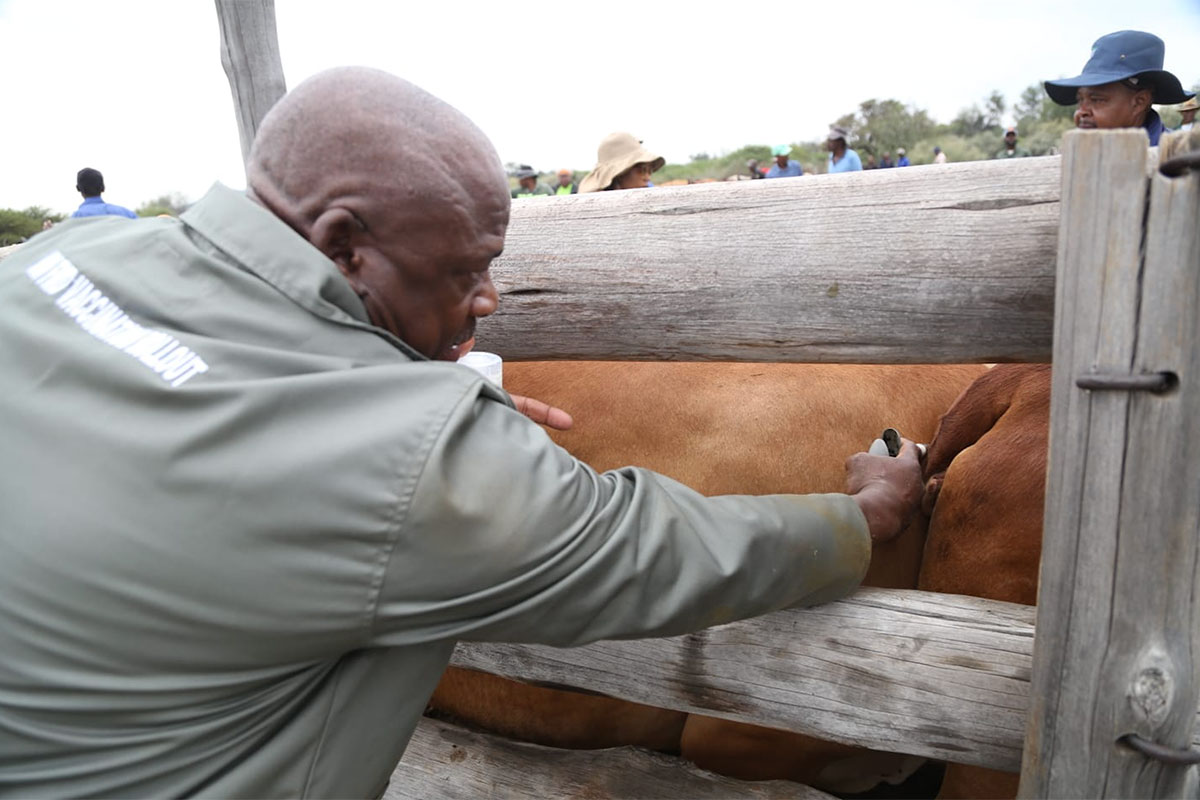
The submission also raises concerns about provisions that allow animal owners or their employees to administer vaccines under supervision. According to the veterinary groups, this contravenes existing legislation governing veterinary practice and medicines.
They warn that permitting unqualified individuals to handle vaccination could compromise biosecurity, undermine data integrity, and create significant legal liability.
“The provision … is legally untenable and operationally reckless,” the organisations state.
They also argue that the use of unregistered vaccines must comply strictly with the Medicines and Related Substances Act (No. 101 of 1965), which limits administration to authorised professionals.
“We are dealing with vaccines that are not currently registered in South Africa and are imported under Section 21 approval, which lays down very specific guidelines for the use of such products,” Dr Dave Midgley, CEO of RuVASA, explained to Farmer’s Weekly.
“It is not about farmers not knowing how to vaccinate, but rather about FMD being one of many state-controlled and notifiable diseases, and the use of a vaccine that also requires very specific restrictions, regulations, and paperwork.”
Concerns over governance and authority
Another major point of contention is the role of the proposed FMD committee. The draft scheme grants the committee wide-ranging powers, including oversight of implementation and the authority to determine diagnostic protocols.
However, the veterinary bodies argue that this amounts to an unlawful delegation of statutory powers.
“The draft erroneously confers executive, regulatory, and operational authority upon a mixed-stakeholder advisory body,” the submission notes, adding that such authority should remain with the national director of animal health.
It stresses that the committee’s role should be strictly advisory to avoid blurred accountability and governance risks.
Traceability and competition issues
The draft scheme’s reference to a single national traceability system has also drawn criticism. The organisations warn that this could create a monopoly and limit competition in the industry.
Instead, they propose a standards-based approach that allows multiple compliant systems, provided they meet interoperability and data requirements.
The submission also highlights several operational shortcomings, including a lack of clarity on veterinary liability and insufficient capacity to roll out a national vaccination campaign.
It also criticises the narrow definition of ‘authorised’ veterinarians, which could restrict the available pool of professionals and slow implementation.
To address this, the organisations recommend broadening participation to include all veterinarians registered with the South African Veterinary Council, supported by trained animal health technicians and veterinary nurses.
In conclusion, SAVA and RuVASA urge the DoA to undertake a substantial redrafting of the scheme to ensure it is legally sound, practical, and aligned with international best practice.
“Without these changes, the plan risks undermining both disease control efforts and South Africa’s standing in global livestock markets,” Midgley warned.