
“AI [artificial intelligence] and remote monitoring systems cannot compensate for poor infrastructure. Getting the correct pipes, fittings, and filters in place is an essential first step before moving to AI systems,” says Elandrie Zietsman, sales and marketing manager at Astore Keymak.
“Without this solid foundation, sensor readings become unreliable, automation systems lose efficiency, and water-saving technologies fail to reach their full potential.”
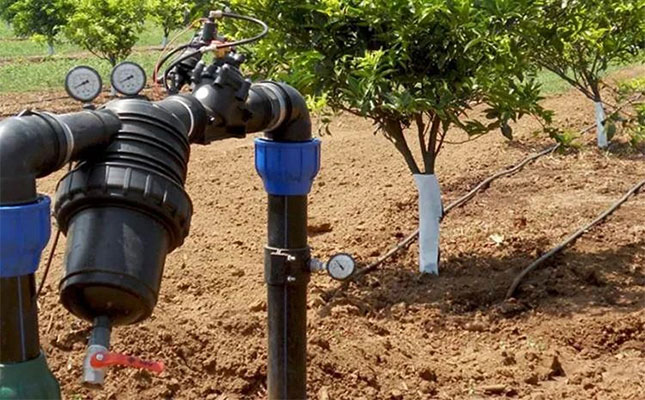
In modern irrigation systems, low-quality piping with brittle, leaky fittings won’t pass muster. Piping infrastructure should be future-fit, with special attention paid to connection points and pressure mismanagement.
“Piping solutions have evolved significantly. There is a growing demand for ‘smart-ready’ irrigation systems designed to integrate with sensors and automation. Leak-free, pressure-controlled piping networks constructed from durable materials are essential for long-term data accuracy,” explains Zietsman.

When shopping for piping, farmers should prioritise proven, certified products that carry long-term guarantees.
“Look for products manufactured from high-quality, UV-resistant materials suited to harsh conditions, with leak-free connection systems. They should also be compatible with future smart technologies,” she advises.
Zietsman says today’s systems are designed for quick and easy installation. Pre-assembled compression fittings, such as Unidelta Deltone, eliminate loose components, saving time and labour at installation while ensuring consistent sealing.
In addition, fully-sealed piping solutions, such as AGRU’s electrofusion fittings, help reduce water loss, improve irrigation efficiency, and minimise ongoing maintenance costs, while high-quality valves, such as those from FIP, allow for precise pressure regulation, ensuring optimal system performance and longevity.
The role of filtration
Just as a robust piping system is critical to irrigation performance, so too is ensuring a supply of clean, well-filtered water.
“Water quality directly impacts irrigation efficiency. Poor filtration can block emitters and drip systems, damage sensors and monitoring equipment, and reduce the overall lifespan of the system,” explains Zietsman.
Filtration solutions, such as those from Irritec, support this process through advanced filtration and water-metering technologies, ensuring clean, measurable water flow throughout the system, she adds.
Water testing
Before designing an irrigation filtration system, it’s essential to analyse the water source and determine the correct filtration requirements.
“Water monitoring is crucial in seasonal farming, as water chemistry can change drastically during seasonal rains and after major environmental changes such as floods, droughts, and industrial or commercial development upstream,” says Michelle Wium, laboratory manager at WearCheck Water.
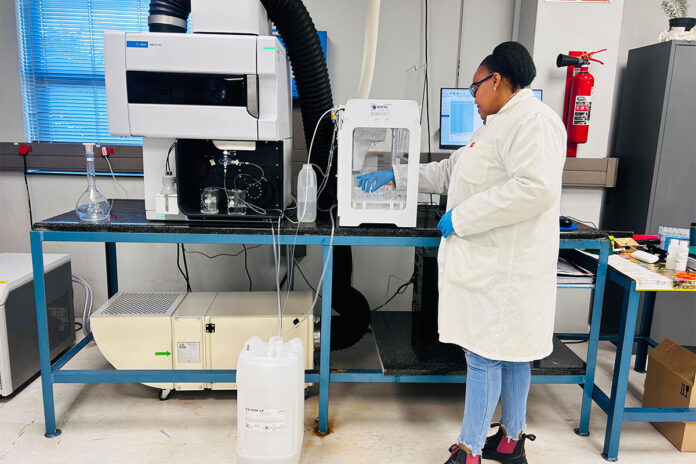
With laboratories in Cape Town and Johannesburg, WearCheck Water conducts a wide range of scientific analyses on drinking and irrigation water. Testing includes total organic carbon, oils and fuels, organophosphorus and organochlorine pesticides, and microbial contaminants such as faecal organisms and cyanobacteria by-products.
“We perform testing for our agriculture clients on water samples from multiple sources, including dams, rivers, and boreholes. Knowing the composition of irrigation water is an important factor in crop management and planning. Poor water quality can affect soil health and, over time, heavy metals and salts can build up in the soil, resulting in poor crop yield and quality,” explains Wium.
Storage and purification
Storage systems present an opportunity to improve water quality.
Tracy Thiele, brand manager at RotoTank, recommends installing TankVac systems in irrigation storage tanks.
The system is fitted during installation and can be used weekly or monthly to remove sediment build-up from the bottom of the tank, helping to prevent blockages, reduce downtime, and maintain efficient water flow.
Combined with UV filtration and Nanopure water purification tablets, these systems help inhibit harmful bacterial growth and improve overall water quality, particularly where water is stored for extended periods or harvested from rainwater and run-off.
“By combining high-quality infrastructure with advanced filtration and AI-driven decision-making, farmers can move towards truly sustainable irrigation practices,” adds Zietsman.
For more information, phone Astore Keymak on 011 892 1714 or 082 443 0120, email [email protected], or visit astorekeymak.co.za. Phone WearCheck Water on 021 001 2100, email [email protected], or visit wearcheck.co.za. Phone RotoTank on 0860 768 265, or visit rototank.co.za.