
Latest articles
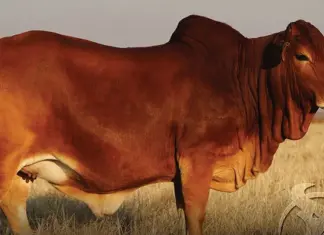
SA Boran genetics in good demand internationally
In August Troy Gayler, the owner of Paradise Boran Stud in southern Queensland, Australia, bought a pregnant heifer, Haylee (BH 21-404) for an African record price of R1,8 million at the Hurwitz Farming 10th Production Auction. He spoke to Glenneis Kriel about his interest in Boran cattle.
The dairy where small changes have made a big difference
Dian Landman, winner of the Eastern Cape Toyota Young Farmer of the Year award and runner-up in the Milk Producers’ Organisation’s Nedbank Stewardship Awards in 2023, spoke to Glenneis Kriel about how he balances growth and sustainability on his dairy farm.

Top tips for effectively managing a Bonsmara herd
Louis Steyl, CEO of the Bonsmara Cattle Breeders’ Society of South Africa, spoke to Annelie Coleman about the true value of effectively managing a Bonsmara herd in order to maximise profit.

Facial recognition technology: a new weapon against stock theft
Facial recognition technology is poised to revolutionise livestock management. Annelie Coleman spoke to experts about this Australian-developed technology and its potential to reshape livestock production in South Africa.
Epigenetics: what it is and what it can do for livestock production
Epigenetics is an emerging area of research in livestock nutrition, genetics and breeding. Prof Michiel Scholtz, specialist researcher in applied animal breeding at the Agricultural Research Council, spoke to Annelie Coleman about its potential role in animal production.
Dexter cattle find their niche in regenerative farming systems
The Dexter cattle breed is proving its mettle as a regenerative farming tool in the Western Cape’s intensive farming systems.
Regenerative farming: from ‘lifeless dust’ to productive farm
The use of regenerative farming practices has enabled Barry Meijer to restore the ‘lifeless dust’ on his farm and turn it into productive pastures for his cattle. He spoke to Glenneis Kriel about the transformation.
The WOAH addresses four major animal health challenges
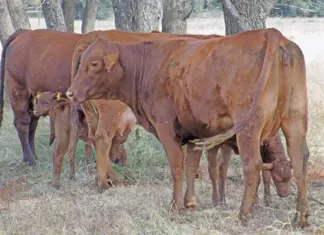
The World Organisation for Animal Health’s 2024 general session addressed global animal health challenges, including foot-and-mouth disease, highly pathogenic avian influenza, and African swine fever.

The role of reproduction in profitable beef cattle farming
Reproduction is vital for beef production, boosting income, genetic improvement, and reducing overheads. Hennie du Toit, animal and pasture scientist at Agropedo Armenta, writes about the importance of reproduction in beef cattle profitability.
Why performance testing in livestock is important
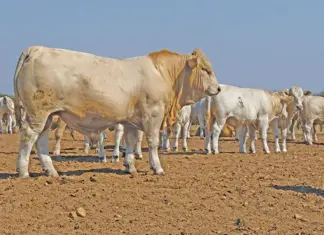
Melville Ferreira and Freek Botes, researchers at the Agricultural Research Council’s Animal Production Institute in Armoedsvlakte, explain why performance testing is important for herd progress.

RPO advises on FMD outbreak control and biosecurity measures
The Eastern Cape Red Meat Producers’ Organisation confirms that more than 140 animals have tested positive for foot-and-mouth disease in the province, and movement control is in place in certain areas.
South African Braunvieh set for global beef market success
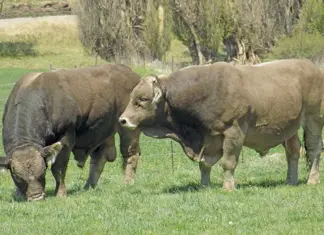
The South African Braunvieh has all it takes to become a serious contender in the international red meat production arena, says Gawie Naudé, owner of the award-winning Eduan Braunvieh Stud near Rhodes in the Eastern Cape.
Zimbabwe’s Nkone cattle breed recovers from near extinction
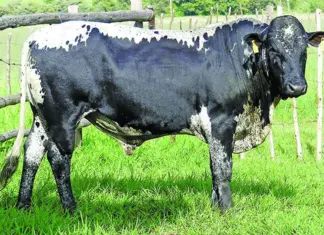
Zimbabwe’s quintessential Nkone cattle breed is back from the brink of extinction, says Annelie Coleman. She spoke to George Hulme, a Nkone farmer and breeding society vice-chairperson, who jointly runs the Pungeni stud near Harare.

Success story of a Brangus stud on an Eastern Cape dairy farm
In 2001, Steve Kretzmann, introduced a beef component to his dairy farm, Edendale, in the Eastern Cape. Mike Burgess visited him recently to better understand the impact that the Panorama Brangus stud has had on his agricultural venture near East London.
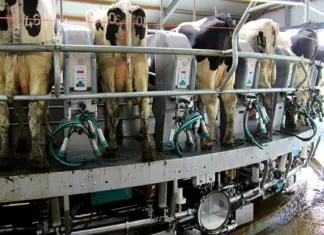
Challenges and opportunities expected for dairy production
The US Department of Agriculture recently released its latest report on dairy production in the US, Europe, Australia and New Zealand, and the trends driving trading.

From a DJ to a successful farmer in the Eastern Cape
Lubabalo Ngcwembe (43), from Zwelitsha near Qonce, shares his remarkable journey into farming, overcoming challenges to build Ikhasilethu, a thriving livestock and vegetable enterprise.

The oldest SA Beef Shorthorn herd excels in the coldest place
The Beef Shorthorn is probably as close to a perfect beef cattle breed as you can get, Barry Stretton, owner of the Brotherlea stud in Molteno, told Annelie Coleman.

Study sheds light on global risk of heat stress to cattle
Research shows climate change may have a negative impact on cattle farming in some regions, says Jorisna Bonthuys. Farmers must do more to secure their herd’s welfare and their own bottom line.

Zimbabwe’s Tuli cattle make financial sense and are easy to farm
The Tuli is an iconic beef breed of Zimbabwe that will make any breeder proud, according to Kerry Stewart, Tuli stud breeder and chairperson of the Zimbabwe Tuli Breeders’ Society. Annelie Coleman spoke to her and other breeders about the advantages of farming Tuli cattle.

Following the herd to help reduce emissions
Identifying and including a low-methane trait in livestock breeding programmes could be the answer to the methane problem faced by animal farmers globally. But how conclusive is the research and will it impact production traits? Lindi Botha reports.