
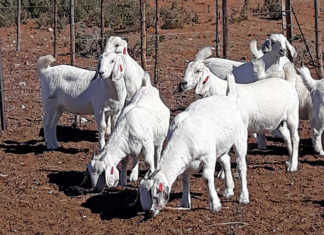
World champion Savanna goat breeder’s winning formula
World champion Savanna goat breeder Koenie Kotzé believes in strict selection, the best possible genetics, and top conformation and type. Annelie Coleman visited him on his farm Niekerkshoop in the Northern Cape to learn more about his exceptional stud.
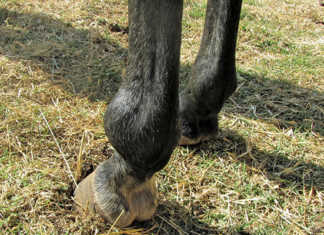
Why arthritis treatments are controversial
There are various treatments available for equine osteoarthritis. However, these are mainly palliative and do not promote healing, says Dr Mac.
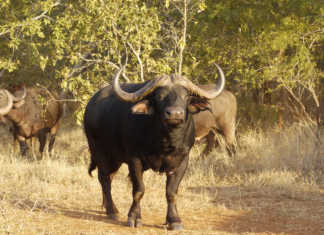
Concern about declining Cape buffalo trophy quality
The Cape buffalo occupies a top spot on hunters’ wish lists, but studies show a decrease in the quality of buffalo trophies, according to Dr Johan Rabie, buffalo breeder and owner of Chimoyo Wildlife. Annelie Coleman asked him about the reasons behind this worrying trend.
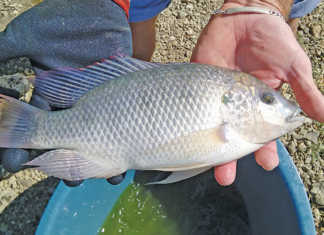
Why fish farming is booming in Zambia, and not in SA
Private fish farms and government are working together to breed tilapia and grow aquaculture production in Zambia.
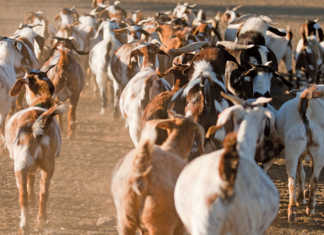
Indigenous veld goats: A family’s profitable passion
Indigenous Veld Goat breeder Erik de Witt is following his dream of preserving indigenous livestock breeds. Sabrina Dean visited him and learnt that with innovative marketing, it is also possible to make handsome returns on these unique animals.
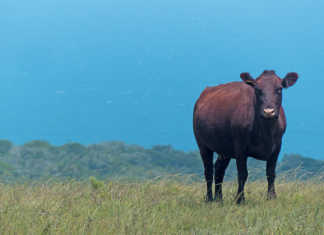
Top Sussex breeder’s extreme measures to beat stock theft
Linden Hewson owns the 2017 Farmer’s Weekly/ARC National Best Elite Sussex cow. This achievement is significant, as the Grey Maclean Stud near East London has been kraaled every night since 2002 to keep the animals safe.
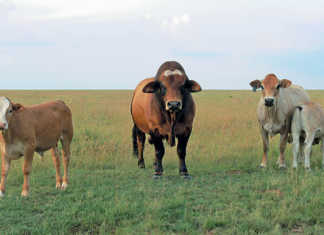
Scientific selection in beef cattle breeding
Breeding beef cattle for greater efficiency and sustained profit is both a science and an art, says Arlington farmer Llewellyn Angus.
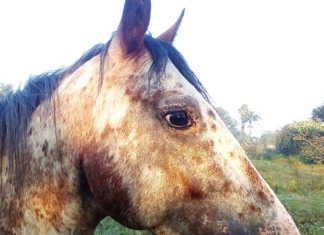
Inherited night blindness
Reduced vision at night and a reluctance to enter dark stables in the daytime may be associated with night blindness, says Dr Mac.
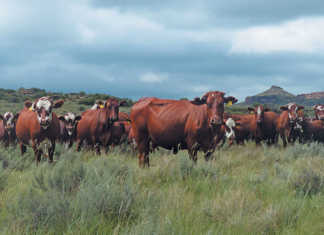
Brafords prove their worth on traditional sheep farm
Although Van Aardt Greyling from the farm Ricksuhill near Lady Grey in the Eastern Cape is better known for his SA Mutton Merinos, his Beefpower Braford Stud is nevertheless home to the 2017 ARC National Best Elite Braford Cow.
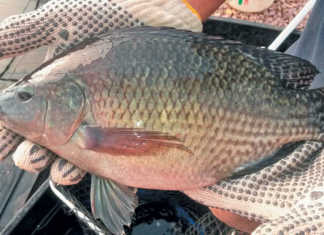
The best fish species for aquaponics
While the Nile tilapia is the fastest grower, it is easier to obtain a permit for the slower-growing Mozambique tilapia.
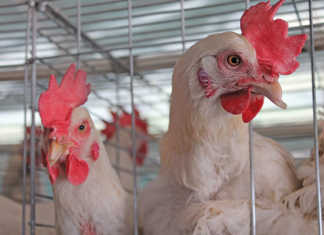
Biosecurity: your first line of defence against disease
Dr Fambies van Biljon, veterinarian at Sovereign Foods, talks to Glenneis Kriel about the crucial need to establish a well-run biosecurity programme at a poultry production facility.
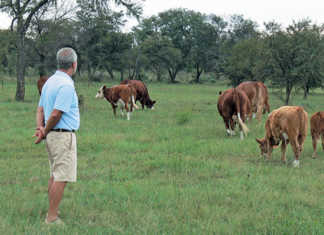
Small Simmentaler stud takes on the country’s best
The size of an operation counts less than dedication, persistence, insight and quality genetics. Operating on a modestly-sized parcel of land minutes from suburban Pretoria, the performance of Hans Franck’s Macarara Simmentaler Stud is proof of this.
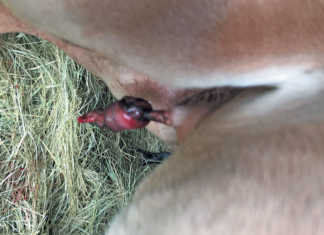
Severing the umbilical cord
As a rule, you should avoid tying off the umbilical cord after birth. However, if very heavy bleeding occurs, it’s time to act, advises Dr Mac.
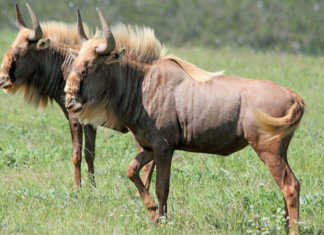
The rise, fall and future of colour variants
The popularity of colour variants such as the golden wildebeest and black impala skyrocketed in the South African game market in 2000, and their prices reflected this. Fourteen years later, these prices dropped just as precipitously. Dr Flippie Cloete, head of Terratek at Suidwes Landbou, takes a look at the drivers that influence the price movements of colour variants.
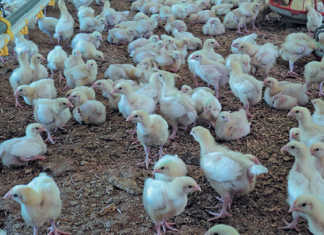
Niche market supplying fresh chicken in the hot Lowveld
Alwyn Viljoen is the production manager of Zaytoon Farms, which is situated on the outskirts of Mbombela and is the only supplier of fresh chicken to the region’s supermarkets. Despite being a small operation, it maintains profitability.
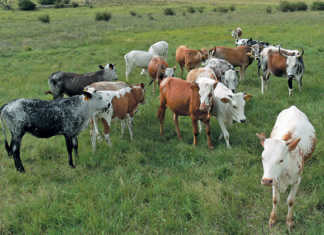
A unique farm-to-fork Nguni operation
Johan and Danita de Swardt, who became farmers after retiring from corporate careers, ensure profitably by supplying value-added beef directly to their clients. Chris Nel visited
them on their farm, Damplaas, near Paul Roux in the eastern Free State.
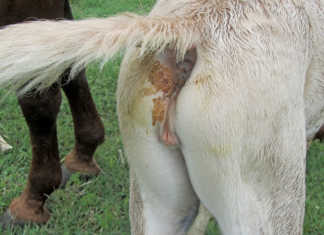
Meconium retention in foals
About 2% of foals are unable to expel the meconium within the first 24 hours after birth, warns Dr Mac.
Understanding the great trout debate
The production of trout remains a heated topic between conservationists and aquaculturists.
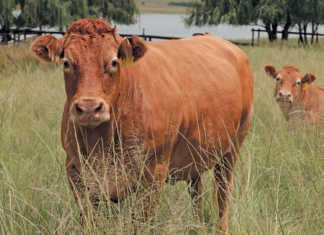
Top Limousin stud’s ‘simple strategy’ for success
Multi-award-winning Limousin stud breeder John Devonport says that a simple and practical approach makes business sense when breeding top cattle.
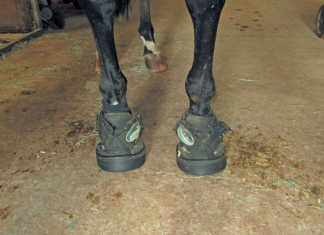
Cushioned overshoes for horses
In the US, Soft-Ride boots are often used to make a horse more comfortable on a hard floor, such as in a stable or a horsebox. South African owners should consider using them too, says Dr Mac.
- ADVERTISEMENT -
MUST READS


- ADVERTISEMENT -
- ADVERTISEMENT -