

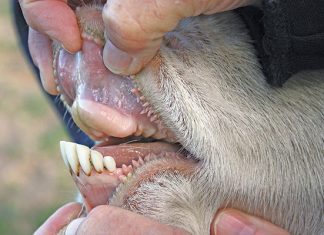
Sheep production: Why healthy teeth mean healthy profits
In this third article on the mitigation of risk in the farming of sheep, PJ Mommsen, a freelance risk mitigation strategist, illustrates how the inclusion of risk mitigation strategies and innovative solutions, in combination with the traditional value analysis of a defined element of production, can work to add new perspectives to a farming operation.
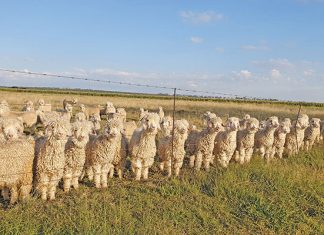
Angora: good money from a great breed
Mohair production is a valuable farming option even outside the Karoo. This is being demonstrated at two studs in North West’s Wolmaransstad district, as Annelie Coleman found out on her visit to three brothers-in-law: Petrus Marx, Reco Pieterse and Stephan Erasmus.
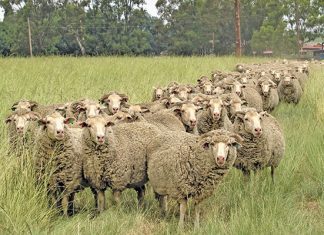
Merino: why a bigger flock is better on the Mpumalanga Highveld
The Mpumalanga Highveld was once the wool capital of South Africa, but rampant stock theft over the years has largely decimated the industry here. However, while some farmers are moving away from sheep farming, Johan Steyn has plans to expand his flock. He spoke to Lindi Botha about his success with Merinos.
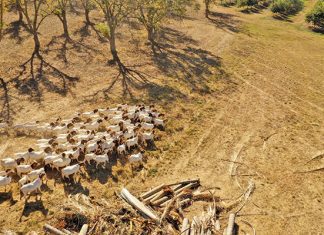
Capitalising on unused land with Boer Goats
The subtropical Lowveld is hardly prime goat country, but with good management, a farmer can add a valuable component to the crops cultivated in the area. Divan Maritz spoke to Lindi Botha about how he manages his goat stud of 300 animals for optimal farm profitability in this climate.
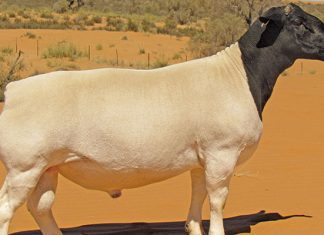
Meat, milk or wool: choose a sheep breed fit for purpose
There are about 20 breeds of sheep in South Africa, each of which is classified according to the role it plays on a farm. Janine Ryan looks at some of the country’s most popular meat, wool and dual-purpose sheep breeds.
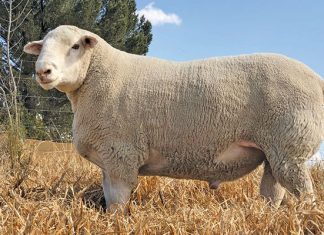
Dormer: using line breeding to set record-high auction prices
Johanri Dormers stud near Lindley in the Free State is known for outstanding animals that achieve record prices. Owner Johan Barnard credits the success of his operation to the careful implementation of specific line-breeding principles, among other factors.
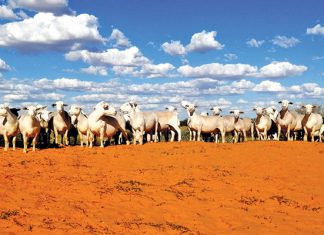
From mining to breeding award-winning White Dorper sheep
Faced with the grim reality of retrenchment, Larry Snyders refused to give in to despair. Instead, he poured all his energy into his sideline business, a small White Dorper stud. A few years later, he reached the pinnacle of his new career, becoming a champion breeder. He shared his story with Susan Marais.
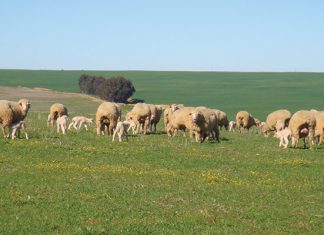
Letelle sheep: profitable and resilient
The Letelle is a proudly South African dual-purpose sheep, but despite its exceptional qualities, it remains one of the most underestimated sheep breeds in the country. Theo Oosthuizen, who breeds Letelle on his Free State farm, spoke to Annelie Coleman about these remarkable animals.
Beware of these five parasites in sheep
Intestinal worms in sheep are a serious problem for farmers, particularly communal farmers, and the timeous detection and treatment thereof are crucial for reducing possible financial losses and/or mortalities. Janine Ryan looks at the most economically important internal parasites that infect sheep in South Africa.
Indigenous veld goats: the ideal option for extreme conditions
Changing weather conditions and Africa’s severe poverty demand tough, easy-to-care-for livestock. The answer, says breeder Deon Vlok, is indigenous veld goats.
SA’s oldest Angora stud: building on a foundation of excellence
The Martyrsford Angora Stud in the Eastern Cape was founded in 1871. Current owner Sean Hobson explained the standards and commitment that have long inspired the farm’s owners to Annelie Coleman.
Breeding top Angora goats in the Southern Cape
While most Angora producers in the Southern Cape have given up farming these animals, brothers Jasper and Leon van der Westhuizen have achieved exceptional results. They spoke to Glenneis Kriel about the local environmental conditions and their management techniques.
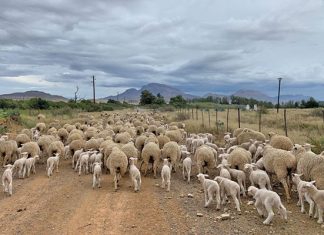
The benefits of polled Merinos for SA’s sheep industry
Earlier this year, a number of Merino stud breeders from Middelburg in the Eastern Cape formed the Nu Poll Merino Group, whose aim it is to breed polled sheep exclusively. Group member Tinus du Plessis explained to Annelie Coleman why breeding and farming these animals made business sense.
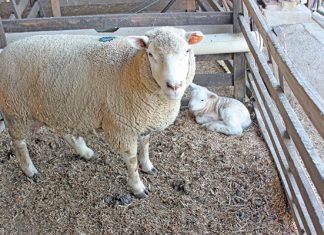
How to manage a lambing pen system effectively
Lambing pens offer a multitude of benefits for farmers. Regina Harmse, who breeds Ile de France sheep in Mpumalanga, spoke to Annelie Coleman about the ways in which these pens can add value to any type of sheep production concern.
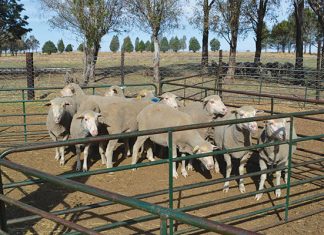
How intensive sheep farmers can improve traceability and profit
Intensive sheep farming has given eastern Free State farmer Gareth Angus the opportunity to increase his lambs’ survival rate, boost profits and ensure traceability from birth to farm gate, while also decreasing predation and elemental risk. Susan Marais visited Angus’s farm during the 2021 LRF Stockman School.
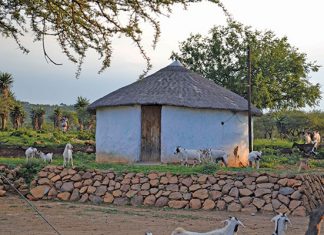
Commercialising communal goat farming in KwaZulu-Natal
Since 1975, a rural development project in KwaZulu-Natal has been helping communal farmers improve their production of indigenous goats. Today, these farmers are focused on herd health and adopting technology to gain market access and establish small businesses that support their industry.
Using the drought to up your game
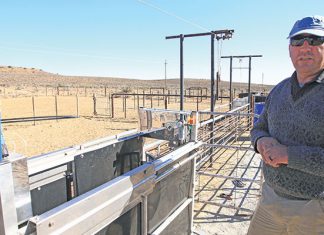
The Northern Cape’s Williston district is sheep country through and through, but six years of drought have made extensive sheep farming here desperately difficult. Wouter Kriel spoke to producer Hannes Esterhuyse about how he has adapted his operation to run optimally despite the drought.
Sexed semen: a game changer for Damara stud
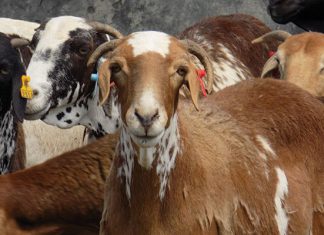
Using sexed semen in an artificial insemination programme carries a 90% assurance that the surrogate animal will deliver offspring of the desired sex. Annelie Coleman spoke to Damara farmer Stan Burger and embryo-flushing expert Dr Fanie Steyn about the technical process and how to prepare the surrogate ewes.
Farming successfully on communal land
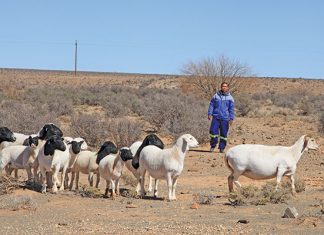
Juhillin van Wyk grew up on a Northern Cape farm, and today runs a flock of Dorper sheep on communal land near Williston. He spoke to Wouter Kriel about what he has learnt thus far, as well as the importance of buying in rams with the traits to boost flock fertility.
Starting a Boer goat stud on a 10ha farm
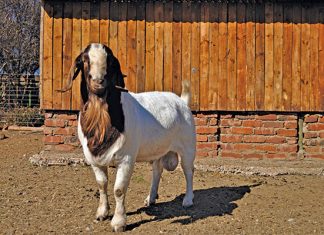
Jonathan Carlson started working on his dream of becoming a farmer straight after he finished school: he made and sold neck clamps for cattle to raise the funds he would need to turn his aspirations into reality. Today, he runs a small yet successful Boer goat and cattle operation.
- ADVERTISEMENT -
- ADVERTISEMENT -
MUST READS
- ADVERTISEMENT -



