
Proper preparation and planning before spring help ensure that orchard and vineyard operations proceed smoothly and productively. With farmers’ time carrying an extremely high monetary value, using the available winter period when orchards and vines are dormant as efficiently as possible is essential to the success of the coming season.
Pruning
One of the most important actions that must be completed before the arrival of spring is pruning. Correct pruning creates a strong framework capable of supporting the crop, improves sunlight penetration and fruit colour, removes dead or diseased plant material, and balances vegetative growth with fruiting wood.
Timing is equally important. Deciduous fruit trees are commonly pruned after leaf fall, once reserves have been replenished, while grapevines are often pruned later in winter when sap flow resumes. This helps reduce the risk of premature budbreak, frost damage, and fungal infection.
Pruning does also, though, carry a risk of spreading trunk diseases because every cut creates a possible entry point for pathogens. Pruning wounds should therefore be protected, while infected plants should be removed and destroyed. It is good practice to inspect and seal large pruning wounds to minimise the risk of infection.
Despite the cost and labour involved, careful planning and execution of pruning remain essential for achieving a healthy and sustainable harvest. The different pruning requirements of various fruit crops and grapevines also allow producers to stagger pruning activities throughout the winter, although all pruning should be completed before budbreak begins in spring.
Preparing pollination arrangements
For many fruit farmers, pollination is another important link in the logistical chain that must be considered and planned for. Ensuring that pollinators are placed in the correct orchards when those orchards are in full bloom is essential for achieving a good rate of fertilisation and is particularly important for many deciduous fruit crops.
Hortgro estimates that the South African fruit sector requires more than 100 000 beehives to pollinate all the orchards that need this service. Different fruit crops require different numbers of hives, ranging from approximately 2,5 hives per hectare for apples to as many as six hives per hectare for plums. Pollination can account for up to 3% of a producer’s direct input costs.
Reviewing soil requirements
Producers can prepare for the new season by correcting soil pH, phosphate levels, and micronutrient deficiencies before budbreak. These adjustments should preferably be completed before the end of the winter rainfall season, as moisture and sufficiently warm soil temperatures improve the dissolution and availability of applied nutrients, particularly phosphates and urea.
Phosphate levels should be tested and corrected where necessary because phosphorus is essential for root activity and growth. These adjustments should be made in line with soil, plant, or leaf analyses from previous growing seasons. This helps to provide an accurate indication of the requirements of each specific orchard or vineyard.

Trellis repairs
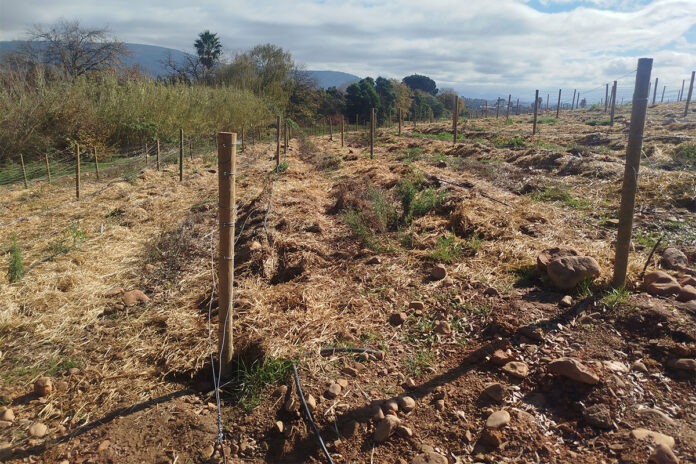
The removal of the previous season’s vegetative growth through pruning makes it easier to inspect and repair trellised orchards and vineyards. Softer, water-saturated soils during winter can also increase the likelihood of poles and anchors moving out of position.
Repairs should be completed before the start of the next growing season, while labour requirements on the farm have not yet reached their peak. The suitability of the existing trellis system should also be reassessed to determine whether it adequately supported the desired growth and yield during the previous season or whether adjustments, such as the addition of extra wires, are required.
Irrigation and drainage repairs
Other infrastructure repairs and maintenance should also be completed during this period. Leaks, blockages, and breakdowns may not be easily detected during the long periods of inactivity associated with winter dormancy. A complete inspection and start-up of the irrigation system should therefore be conducted before the season begins to ensure that everything is functioning correctly and that deteriorated irrigation pipes are replaced.
Drainage systems should also be inspected, particularly following periods of heavy winter rainfall, to ensure that excess water can move away from the root zone and that waterlogging does not affect spring root activity.
Managing cover crops and weeds
Perennial weeds are generally easier to control during autumn and winter, before they become fully established. The widespread proliferation of cover crops has contributed not only to improved soil structure and moisture retention but also to the suppression of winter weeds through competition.
Cover crops must, however, be managed before budbreak so that they do not compete with the developing orchard or vineyard for water and nutrients after budbreak. This can be done mechanically by ploughing the cover crop into the soil, rolling it flat, using intensive grazing, or through appropriate chemical control.
Planting
For producers fortunate enough to be expanding their production, or those replacing and renewing existing vineyards and orchards, the period before spring is generally when planting takes place. Vines and orchard trees are usually planted before spring budbreak to provide young plants with a full growing season in which to establish their roots, trunks, and canopies. Poor planting practices can, however, undermine even the best vineyard or orchard planning.
Soil moisture is particularly important. Soil that is too dry may crumble and prevent the formation of a properly shaped planting hole, while soil that is too wet may smear and compact along the sides of the hole, creating a barrier that young roots struggle to penetrate.
This can cause roots to bend back on themselves and form J-roots, restricting plant establishment and delaying optimal yields by two to three years, should the plant ever recover fully.
Planting holes must therefore be sufficiently large and well formed to accommodate the roots without forcing them to bend or twist. Good contact must be created between the soil and the roots, while the sides of the planting hole should be loosened with a garden fork when the hole is filled.
Although the high cost of establishing vineyards and orchards may tempt producers to take shortcuts, poor preparation during planting can significantly reduce future yields and shorten the productive lifespan of the planting.
The time available to farmers before the start of the new season should be used as efficiently as possible to ensure a smooth and hassle-free season.